For industrial applications involving silica sand, efficient and reliable powder conveying systems are essential to ensure smooth material handling and process continuity. The working principle and features of silica sand powder conveying systems play a crucial role in optimizing production efficiency and maintaining product quality. This article provides an in-depth exploration of the operational mechanisms and key characteristics of such systems, tailored for professionals in the powder handling industry.
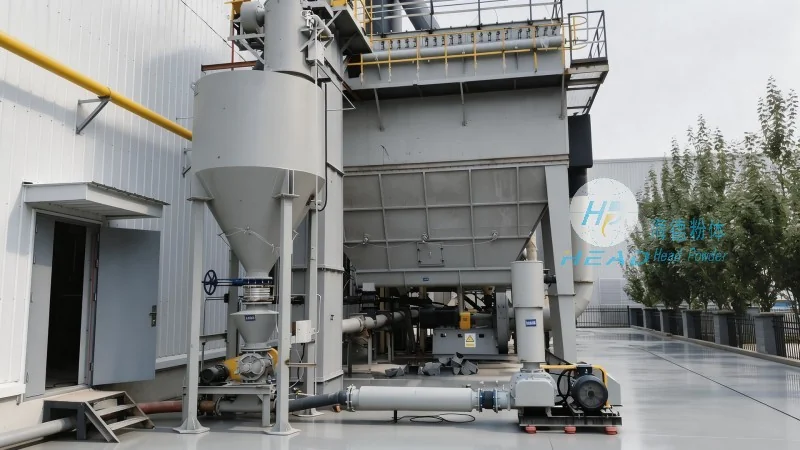
Silica sand powder conveying systems typically operate based on the principles of pneumatic or mechanical transport, depending on the specific requirements of the application. The core working principle involves the movement of silica sand particles from a source point to a destination point, often through a network of pipes or conveyor lines. In pneumatic conveying systems, for instance, the silica sand is transported using compressed air or other gas streams, which create a flow that carries the powder through the system. This method is particularly effective for handling fine powders like silica sand, as it minimizes particle degradation and ensures consistent flow rates. The process begins with the feeding of silica sand into a hopper, where it is then drawn into a conveying line by the air stream. The air-sand mixture travels through the pipeline, and at the destination, the air is separated from the powder, often using cyclone separators or filters. Mechanical conveying systems, such as screw conveyors or belt conveyors, rely on rotating components to move the material. In screw conveyors, a rotating screw (or auger) pushes the silica sand forward through a tube, while in belt conveyors, a moving belt transports the material along a path. These mechanical systems are often more suitable for bulk material handling and can handle larger quantities of silica sand with less energy consumption compared to pneumatic systems. The choice between pneumatic and mechanical conveying depends on factors like the particle size, moisture content, the distance over which the material needs to be transported, and the desired level of control over the material flow.
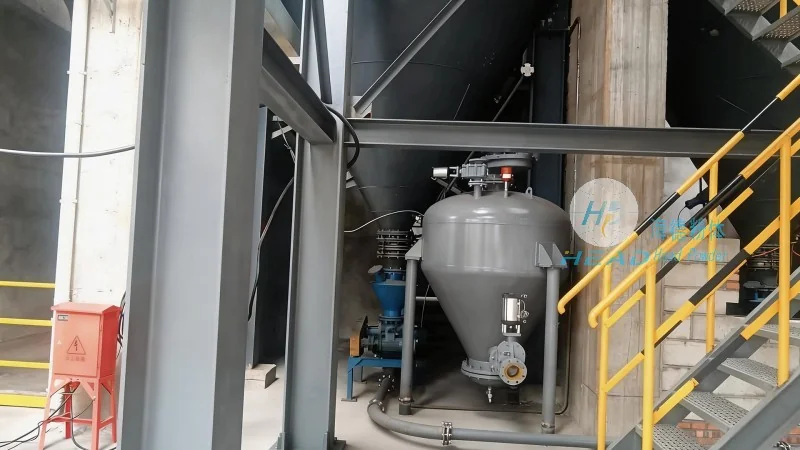
Effective silica sand powder conveying systems exhibit several key features that enhance their performance and usability. One of the primary features is high efficiency, which allows for rapid and consistent material transport, reducing downtime and increasing overall productivity. These systems are designed to handle varying flow rates, ensuring that they can adapt to the demands of different production stages. Another important feature is their ability to maintain product integrity. By minimizing particle attrition and preventing contamination, the systems help preserve the quality of the silica sand, which is critical for applications in glass manufacturing, foundries, and other industries where the material's properties are paramount. For instance, in glass production, the silica sand must be free from impurities and have a consistent particle size distribution to ensure the quality of the final glass product. Advanced conveying systems incorporate features like airlocks and rotary valves to prevent backflow and maintain a clean environment. Additionally, modern conveying systems often incorporate advanced control technologies, such as variable speed drives and real-time monitoring, to optimize operation and provide data-driven insights for process improvement. This integration of technology enhances operational flexibility and allows for better management of the conveying process. Environmental considerations are also a key feature, with many systems designed to minimize dust emissions and comply with regulatory standards, promoting a safer and more sustainable working environment. For example, some systems use enclosed conveying lines and dust collection systems to reduce airborne particles, which is essential in compliance with occupational health and safety regulations.
The features and working principles of silica sand powder conveying systems are tailored to meet the specific needs of various industries. For example, in the glass manufacturing sector, where silica sand is a primary raw material, the systems must ensure precise control over the material's flow and composition. This is achieved through specialized components like rotary valves and airlocks, which regulate the discharge of the powder and prevent blockages. The glass industry often requires high-purity silica sand, and the conveying systems are designed to minimize contamination from other materials or the environment. In foundries, the conveying systems are designed to handle larger quantities of silica sand, often in conjunction with other raw materials like coke and limestone. The mechanical strength and durability of the equipment are critical in these applications, as they are subjected to heavy loads and abrasive conditions. The systems are typically constructed from materials like stainless steel or high-grade alloys to withstand the harsh conditions. Furthermore, the systems are engineered to be compatible with different particle sizes and shapes, ensuring versatility across various production lines. This adaptability makes them suitable for a wide range of applications, from small-scale operations to large industrial facilities. For instance, in a small-scale foundry, a simple screw conveyor may suffice, while a large-scale glass plant may require a more complex pneumatic conveying system with multiple stages of filtration and control.
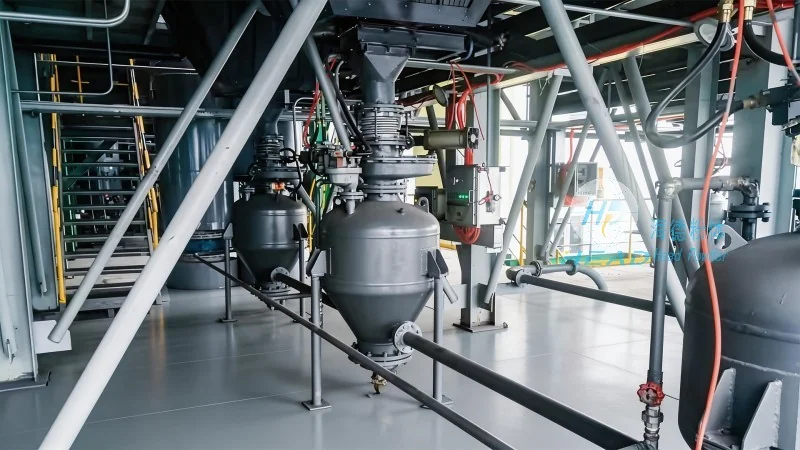
In summary, silica sand powder conveying systems are essential components in industries that rely on efficient material handling. Their working principles, which may involve pneumatic or mechanical transport, are designed to optimize the movement of silica sand while maintaining product quality and operational efficiency. The key features, including high efficiency, product integrity preservation, advanced control capabilities, and environmental compliance, make these systems indispensable for modern industrial processes. By understanding the working principles and features of such systems, businesses can make informed decisions to enhance their production capabilities and meet the demands of their respective industries. As technology continues to advance, these systems are likely to evolve further, incorporating more intelligent and sustainable features to meet the growing needs of the industry. The importance of selecting the right conveying system for silica sand cannot be overstated, as it directly impacts production efficiency, product quality, and overall operational costs. Whether in glass manufacturing, foundries, or other industries, the proper design and implementation of a silica sand powder conveying system are critical to achieving optimal performance and maintaining a competitive edge.

 Shandong Headpowder Engineering Co., Ltd.
 156-6277-7102(Manager Zhang)
  0531-83386006
  Jinan City, Shandong Province, China
telephone
WeChatconsult
top