Carbon powder handling systems are critical components in industrial processes that require the efficient and safe transportation of carbon-based powders. Understanding the working principle and key features of such systems is essential for optimizing production efficiency and ensuring operational safety. This article provides a detailed overview of the mechanisms and characteristics of carbon powder handling systems, tailored for industries dealing with carbon powders like graphite, carbon black, and other carbon-based materials.
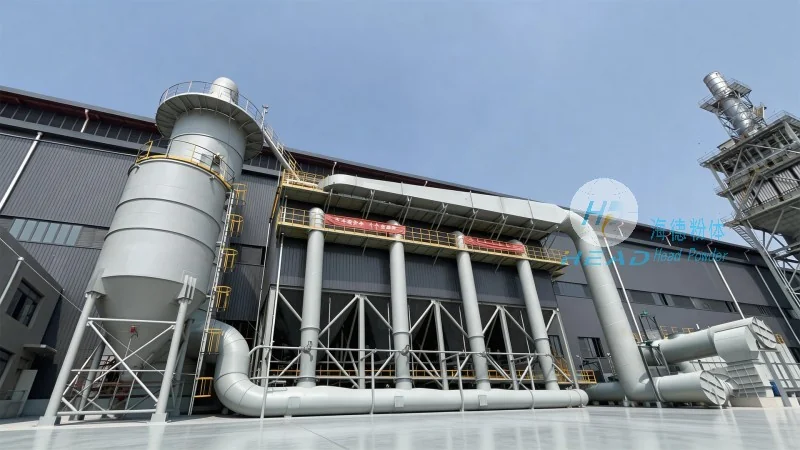
Carbon powder handling systems are engineered to manage the movement of carbon-based powders from one location to another within industrial facilities. These systems are designed to address the unique challenges associated with handling fine, abrasive, or potentially hazardous carbon powders, ensuring that the material is transported without degradation, contamination, or loss. The primary goal of these systems is to enhance process reliability, reduce downtime, and improve overall operational efficiency in applications such as manufacturing, processing, and material handling.
The working principle of a carbon powder handling system typically involves a combination of mechanical components and control mechanisms to achieve the desired material flow. The system generally consists of several key parts, including a feeding device, a conveying mechanism, a control unit, and a discharge outlet. The feeding device, often a hopper or a feeder, is responsible for introducing the carbon powder into the system in a controlled manner. This ensures that the material is fed at a consistent rate, preventing overloading or underfeeding that could disrupt the conveying process.
The conveying mechanism is the core of the system, responsible for transporting the carbon powder through the system. Common conveying methods include pneumatic conveying (air-assisted), mechanical conveying (such as screw conveyors or belt conveyors), and hybrid systems that combine both approaches. Pneumatic conveying is particularly effective for fine carbon powders, as it uses compressed air to move the material through a pipeline. This method is advantageous for long-distance transport and can handle materials that are difficult to convey mechanically due to their fine particle size or cohesive properties.
Control units are integrated into the system to regulate the flow rate, pressure, and other operational parameters. These units may include sensors to monitor the material level, pressure, and flow rate, as well as controllers that adjust the system's performance based on real-time feedback. This closed-loop control ensures that the system operates within optimal parameters, minimizing the risk of blockages, overloading, or other operational issues.
The discharge outlet is the final component of the system, where the carbon powder is released into the target location. This may be a storage silo, a processing unit, or another part of the production line. The design of the discharge outlet is critical to ensure that the material is discharged smoothly and without creating dust or contamination. Proper sealing and flow control mechanisms are essential to maintain the integrity of the material and prevent environmental or safety hazards.
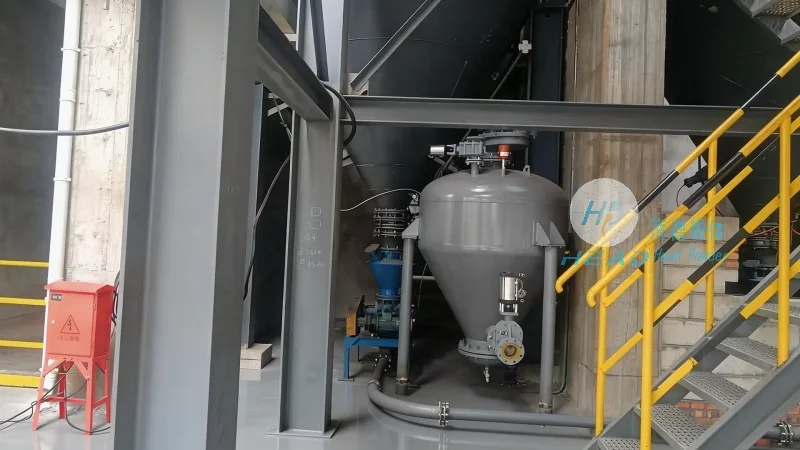
Carbon powder handling systems are characterized by several key features that distinguish them from other material handling systems. These features are designed to address the specific challenges of handling carbon powders and to enhance the overall performance and reliability of the system.
First, these systems are designed for high efficiency and low maintenance. The use of durable materials and robust components ensures that the system can handle the abrasive nature of carbon powders without frequent breakdowns or repairs. This reduces downtime and operational costs, making the system a cost-effective solution for industrial applications.
Second, the systems are equipped with advanced control and monitoring capabilities. Sensors and control units allow for real-time monitoring of the material flow, pressure, and other critical parameters. This enables operators to quickly identify and address any issues that may arise, such as blockages or changes in material properties. The ability to adjust the system's performance based on real-time data enhances the system's adaptability and ensures consistent operation.
Third, carbon powder handling systems are designed with safety and environmental considerations in mind. The systems are equipped with dust collection and filtration systems to prevent the release of fine particles into the environment. This is particularly important for carbon powders that may be hazardous or environmentally sensitive. Additionally, the systems are designed to minimize the risk of explosions or fires, which can occur with certain types of carbon powders. Proper ventilation and explosion-proof components are incorporated into the design to ensure safe operation.
Fourth, the systems are highly customizable to meet the specific needs of different applications. Manufacturers can tailor the system's components, such as the conveying method, hopper size, and control unit, to suit the unique requirements of each industrial process. This flexibility allows the system to be integrated seamlessly into existing production lines and to handle a wide range of carbon powders, from fine powders to larger granules.
Carbon powder handling systems are widely used in various industries that rely on carbon-based materials. Some of the key applications include:
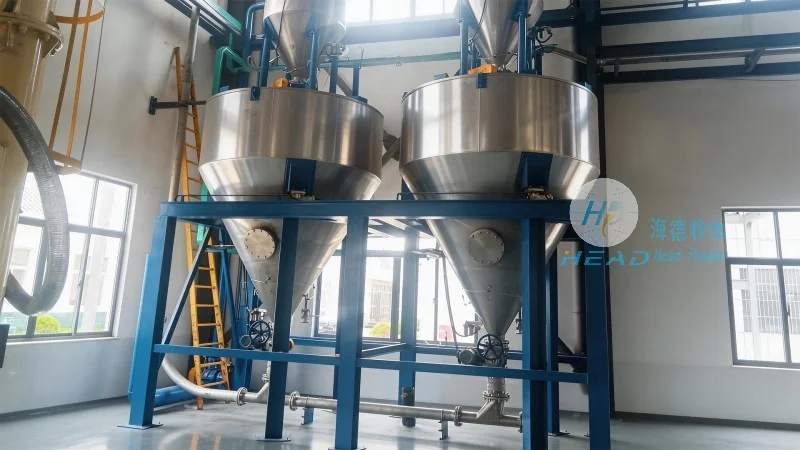
1. **Manufacturing of Carbon Products**: In the production of graphite, carbon black, and other carbon-based products, carbon powder handling systems are used to transport raw materials to processing units. This ensures that the materials are delivered in a controlled manner, maintaining the quality and consistency of the final product.
2. **Battery Manufacturing**: The battery industry uses carbon powder handling systems to transport carbon materials used in battery electrodes. The systems ensure that the materials are delivered to the production line without contamination or degradation, which is critical for the performance and lifespan of the batteries.
3. **Carbon Fiber Production**: In the production of carbon fibers, carbon powder handling systems are used to transport raw carbon materials to the spinning and processing equipment. The systems help maintain the purity and quality of the carbon fibers, which are essential for their high strength and lightweight properties.
4. **Industrial Processing**: Other industries, such as chemical processing and material science, use carbon powder handling systems to transport carbon powders used in various processes. The systems enhance the efficiency and safety of these processes by ensuring that the materials are handled in a controlled and consistent manner.
Carbon powder handling systems are essential for the efficient and safe transportation of carbon-based powders in industrial applications. Understanding the working principle and key features of these systems is crucial for optimizing production processes and ensuring operational safety. The systems are designed with high efficiency, advanced control capabilities, and safety features to meet the demands of modern industrial operations. By leveraging the expertise of manufacturers like Shandong HeadPowder Engineering Co., Ltd., industries can enhance their material handling capabilities and improve overall productivity.

 Shandong Headpowder Engineering Co., Ltd.
 156-6277-7102(Manager Zhang)
  0531-83386006
  Jinan City, Shandong Province, China
telephone
WeChatconsult
top