

Principles and Application Scenarios of Magnesium Powder Pneumatic Conveying
HeadPowder, a leading enterprise in the field of powder handling technology, specializes in the design and implementation of pneumatic conveying systems for magnesium powder. The fundamental principle of pneumatic conveying involves the use of a gas stream, typically air or a specific gas mixture, to transport solid particles through a pipeline. For magnesium powder, which is known for its reactivity and fine particle size, the selection of an appropriate conveying method is crucial to ensure efficiency, safety, and product integrity. The core mechanism relies on creating a flow of air that lifts and propels the powder particles through the system. This is achieved by generating sufficient velocity in the gas stream to overcome the gravitational force acting on the particles and to maintain them in suspension. The process often involves a combination of positive and negative pressure zones, where the air is either drawn into the system (in suction conveying) or pushed through (in pressure conveying). The design of the conveying system, including the type of air nozzles, the velocity of the gas, and the particle size distribution of the magnesium powder, all play critical roles in determining the effectiveness of the conveying operation.
Key Components and Working Mechanism
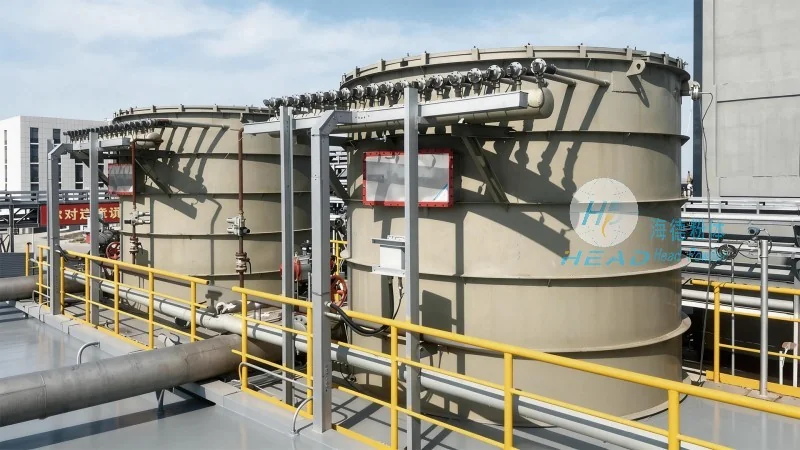
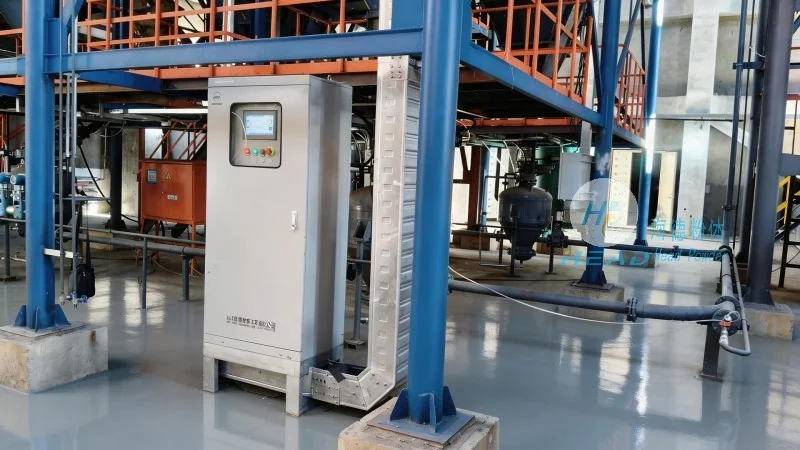
The pneumatic conveying system for magnesium powder typically consists of several key components. These include a material feed hopper, a conveyor line (often with bends and expansion joints), a dust collector or filter system, and a discharge outlet. The material feed hopper is designed to store the magnesium powder and provide a controlled feed into the conveying line. The air is introduced into the system at specific points, such as the feed hopper or along the conveyor line, to create the necessary gas flow. The velocity of the air is carefully controlled to ensure that the magnesium powder particles are fully suspended and transported without settling or clogging the pipeline. The system may also incorporate features like pulse-jet cleaning for the filter to maintain air quality and prevent dust accumulation. The working mechanism can be further categorized into different types of pneumatic conveying, such as dilute-phase and dense-phase systems. Dilute-phase conveying uses higher air velocities to keep particles in suspension, suitable for fine magnesium powders where particle size is small and the risk of clogging is higher. Dense-phase conveying, on the other hand, uses lower air velocities and higher particle concentrations, which is beneficial for handling larger particles or when the risk of dust explosion is a concern. For magnesium powder, which is highly reactive and can pose explosion hazards, dense-phase conveying is often preferred as it reduces the concentration of suspended particles, thereby lowering the risk of ignition.
Application Scenarios and Industry Use Cases
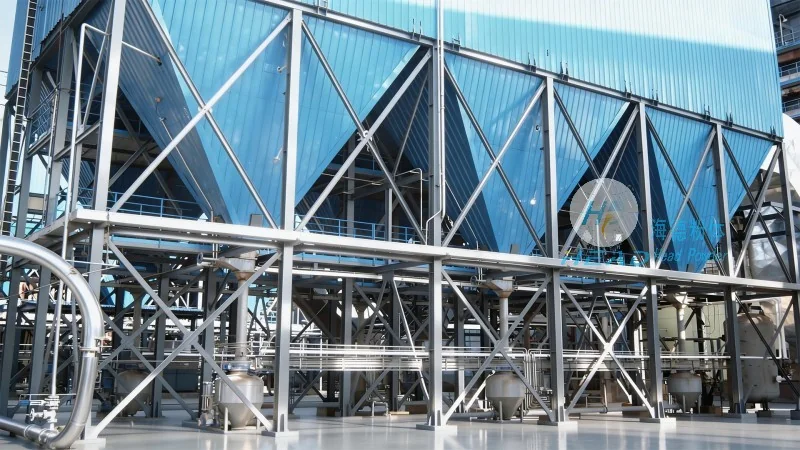
The application scenarios for magnesium powder pneumatic conveying are diverse and span multiple industries. In the aerospace and automotive sectors, magnesium powder is used as a lightweight material in the production of components like engine parts, structural frames, and interior panels. The pneumatic conveying system is essential for transporting the powder from storage to the manufacturing lines, ensuring a continuous and reliable supply. In the chemical industry, magnesium powder is used as a raw material in the production of magnesium alloys and other chemical compounds. The conveying system must be designed to handle the reactive nature of the powder, with appropriate safety measures such as explosion-proof designs and inert gas purging to prevent accidental ignition. In the metallurgical industry, magnesium powder is used in processes like metal casting and heat treatment. The system must be capable of handling high volumes of powder and maintaining particle integrity during transport. Additionally, in the electronics industry, magnesium powder is used in the production of battery components and other electronic parts. The precision required in these applications necessitates a conveying system that can deliver the powder with minimal segregation and loss. Each of these scenarios requires a customized pneumatic conveying solution tailored to the specific characteristics of the magnesium powder and the operational requirements of the industry.
Advantages and Considerations for Magnesium Powder Conveying
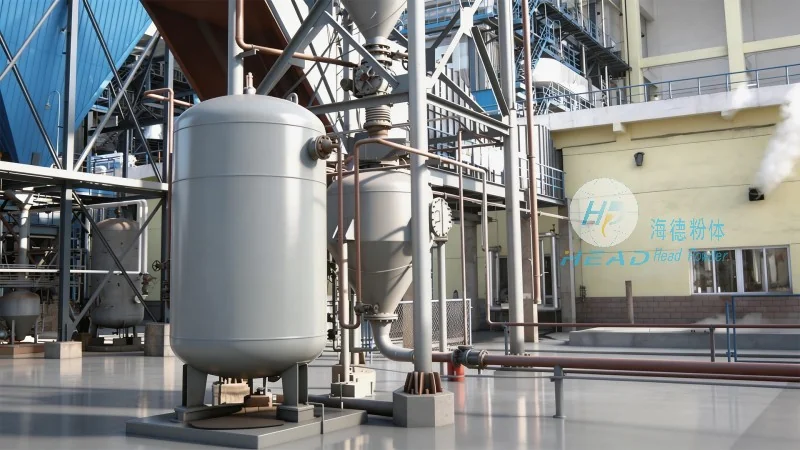
Implementing a pneumatic conveying system for magnesium powder offers several advantages over traditional methods like bucket elevators or belt conveyors. One of the primary benefits is the ability to handle fine and reactive powders without the risk of clogging or product degradation. The enclosed system prevents dust exposure, which is critical for maintaining a safe working environment and complying with occupational health and safety regulations. Additionally, pneumatic conveying allows for a more flexible and compact layout, as the pipeline can be routed around obstacles and in tight spaces, which is particularly beneficial in facilities with limited floor space. The system also enables better control over the flow rate and particle distribution, leading to improved process efficiency and reduced material waste. However, there are also considerations to keep in mind when designing a magnesium powder pneumatic conveying system. The high reactivity of magnesium powder means that the system must be constructed from materials that are resistant to corrosion and can withstand the chemical properties of the powder. Stainless steel or specialized alloys are commonly used for the pipeline and components to prevent corrosion and ensure longevity. The system must also be equipped with proper explosion protection measures, such as flame arrestors and inert gas purging, to mitigate the risk of dust explosions. Furthermore, the particle size distribution of the magnesium powder is a critical factor, as it affects the conveying velocity and the risk of clogging. Proper sizing and classification of the powder before conveying can improve system performance and reduce maintenance costs.