

Principles and Working Scene Characteristics of Aggregate Pneumatic Conveying
Aggregate pneumatic conveying is a critical technology in the construction and material handling industries, enabling the efficient transport of bulk materials like sand, gravel, and other aggregates. This method uses air pressure to move materials through a pipeline system, offering advantages such as reduced equipment wear, lower maintenance costs, and improved safety compared to traditional methods like belt conveyors or trucks. Understanding the principles behind this technology and its application in various working scenes is essential for optimizing material handling processes in construction sites, mining operations, and industrial facilities.
Principles of Pneumatic Conveying for Aggregates
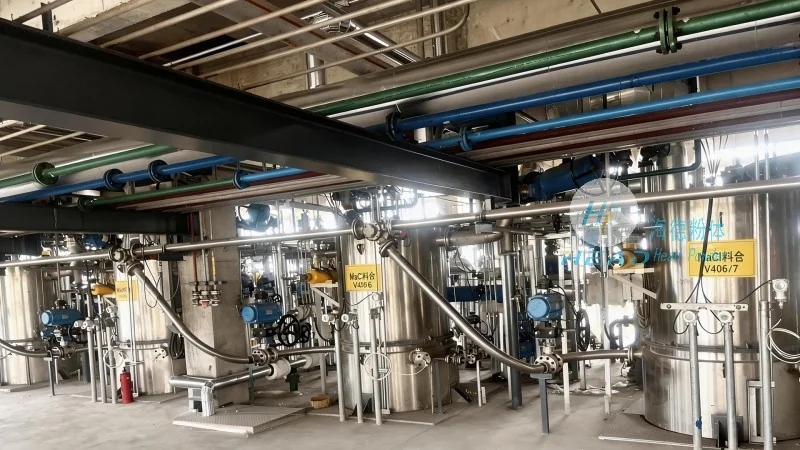
The core principle of aggregate pneumatic conveying involves creating a flow of air through a pipeline that transports the material. There are two main types of pneumatic conveying systems: dilute-phase and dense-phase. Dilute-phase systems use high-velocity air to suspend the material particles, allowing them to travel through the pipeline with minimal pressure drop. Dense-phase systems, on the other hand, use lower air velocities and higher material concentrations, which results in a more controlled and efficient transport, especially for materials that are prone to clogging or segregation. The selection of the appropriate system depends on factors such as the material's properties, the distance to be conveyed, and the required flow rate. For example, in construction sites where sand and gravel need to be transported over short distances, a dilute-phase system may be sufficient, while for longer distances or more challenging materials, a dense-phase system might be more suitable.
Working Scene Characteristics of Aggregate Pneumatic Conveying
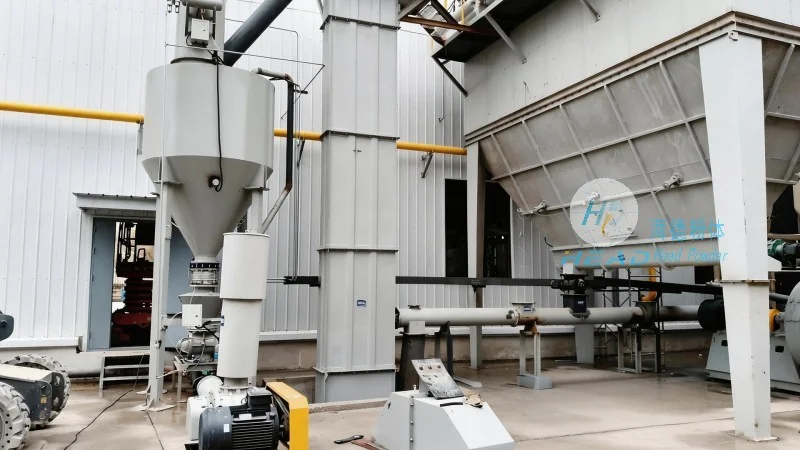
The application of aggregate pneumatic conveying varies significantly across different working scenes, each with unique requirements and challenges. In construction sites, this technology is commonly used to transport aggregates from stockpiles to mixing plants or to different parts of the site. The key characteristics in this scenario include the need for high flow rates, reliable operation, and minimal downtime. The system must be able to handle varying material conditions, such as wet or dry aggregates, and adapt to changes in the construction schedule. For instance, in a large-scale residential development project, the pneumatic conveying system might need to transport thousands of tons of sand and gravel daily, ensuring that the concrete production process is not interrupted. The working scene also involves integration with other equipment, such as mixers and crushers, requiring precise control over the material flow to maintain the quality of the final product.
Advantages and Challenges in Different Working Scenarios
Each working scene presents its own set of advantages and challenges for aggregate pneumatic conveying. In mining operations, for example, the system must be able to handle abrasive materials like crushed rock and handle the high volumes typically found in such environments. The advantages in this case include the ability to transport materials over long distances without the need for extensive infrastructure, such as roads or railways. However, the challenges include dealing with dust and particulate matter, which can affect the health and safety of workers and the environment. In industrial facilities, the system may be used to transport aggregates to manufacturing processes, where the material quality is critical. The advantages here include the ability to maintain a consistent material flow and reduce the risk of contamination. The challenges include ensuring that the system can handle different material sizes and shapes, and that it can be integrated with existing production lines without disrupting operations.
Conclusion: Optimizing Material Handling with Pneumatic Conveying
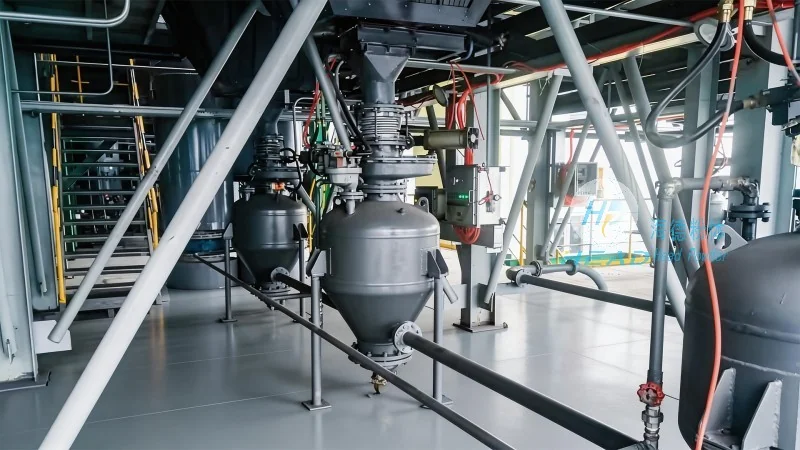
Aggregate pneumatic conveying is a versatile and efficient technology that plays a vital role in various working scenes, from construction sites to industrial facilities. By understanding the principles of this technology and adapting it to the specific requirements of each working scene, businesses can optimize their material handling processes, reduce costs, and improve overall productivity. As the demand for efficient material transport continues to grow, the importance of aggregate pneumatic conveying will only increase, making it an essential component of modern industrial operations.