

Principle and Working Scene Characteristics of Red Bean Pneumatic Conveying
Red bean pneumatic conveying is a specialized technology used for the efficient transport of red bean materials through an enclosed pipeline system, utilizing air as the primary medium for movement. This method is widely adopted in the food processing industry due to its ability to maintain product integrity and hygiene, which is critical for red bean handling where contamination and quality control are paramount. The fundamental principle involves creating a pressure differential or applying vacuum to draw red bean particles into the conveying line, where they are propelled forward by the air flow. Unlike traditional mechanical conveying systems, pneumatic methods eliminate direct contact between the product and machinery components, reducing the risk of contamination and ensuring consistent quality throughout the process.
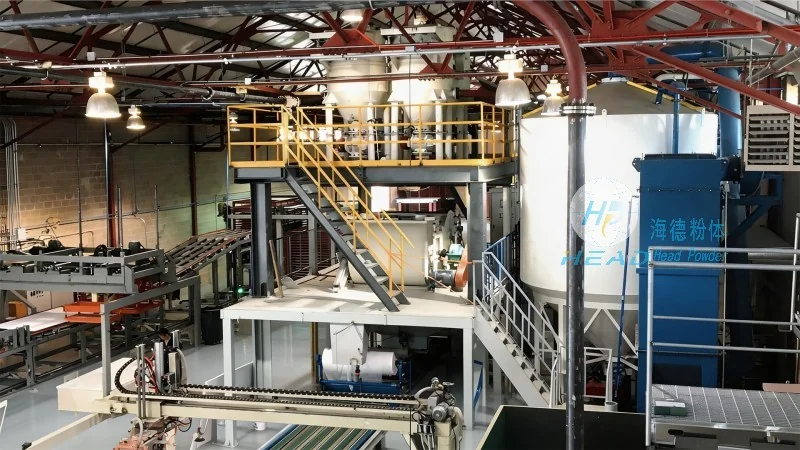
Core Principles of Red Bean Pneumatic Conveying
The operation of red bean pneumatic conveying is governed by several key principles that ensure effective material transport. The first principle is the generation of airflow, which can be achieved through positive pressure (blowing air into the system) or negative pressure (sucking air out of the system). Positive pressure systems are typically used for short to medium-distance conveying, where compressed air is directed into the pipeline to push the red bean particles along. Negative pressure systems are preferred for longer distances or when handling dust-sensitive materials, as they create a vacuum that draws the product into the line. Another critical principle is the particle characteristics of the red bean, such as size, density, and moisture content, as these factors determine the optimal air velocity required for efficient conveying. Maintaining the correct air velocity is essential to prevent particle segregation or blockages in the pipeline, ensuring smooth and continuous operation.
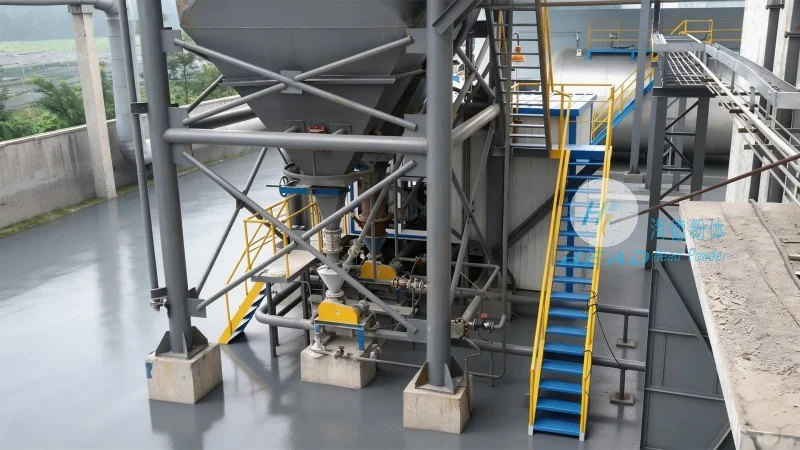
Working Scene Characteristics of Red Bean Pneumatic Conveying
Red bean pneumatic conveying systems are characterized by their adaptability to diverse operational environments and production scales. In industrial settings, these systems are commonly integrated into comprehensive processing lines, where they handle raw red bean intake from storage silos or bulk containers, transport the material to processing units like cleaning, sorting, or grinding, and then deliver the processed product to packaging stations. The flexibility of pneumatic conveying allows for seamless integration with other equipment, enabling a continuous and automated workflow. For instance, in a red bean processing plant, a pneumatic system might be used to move red beans from a hopper to a cleaning machine, then to a sorting line, and finally to a packaging machine, all without manual intervention. This integration enhances operational efficiency and reduces labor costs. Additionally, the system's scalability allows it to be adjusted to accommodate changes in production volume, making it suitable for both small-scale operations and large industrial facilities.
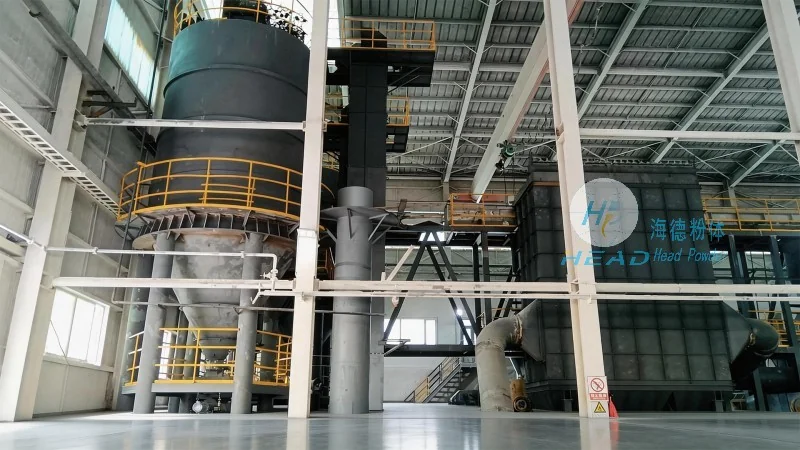
Advantages in Red Bean Processing Applications
Implementing red bean pneumatic conveying in processing facilities offers several distinct advantages that contribute to improved productivity and product quality. One of the most significant benefits is the hygienic nature of the system, which is essential for food-grade products. The enclosed pipeline design prevents exposure to external contaminants, ensuring that the red bean remains clean and safe for consumption. Additionally, pneumatic conveying minimizes physical damage to the red bean particles, preserving their texture and nutritional value. This is particularly important for red beans, as their quality is closely tied to their physical integrity. Another advantage is the ability to handle a wide range of particle sizes and moisture content, making the system suitable for various red bean varieties and processing stages. The system's energy efficiency also contributes to cost savings, as it requires less power compared to some mechanical conveying methods. Furthermore, the reduced need for maintenance and cleaning due to the enclosed design lowers operational overheads.
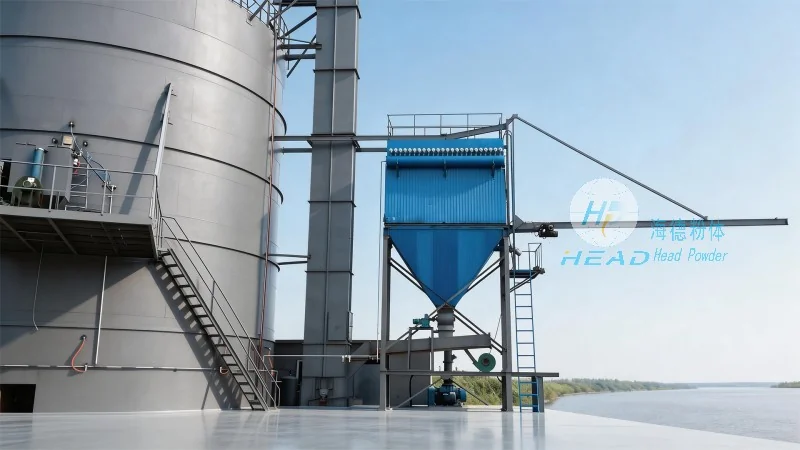
About Shandong HeadPowder Engineering Co., Ltd.
Shandong HeadPowder Engineering Co., Ltd., operating under the brand name headpowder, is a leading manufacturer and supplier of advanced pneumatic conveying systems, specializing in the food processing sector. The company is headquartered in Shandong province, China, where it leverages local industry expertise and resources to deliver high-quality products and services. HeadPowder's team of experienced engineers and technicians focuses on designing customized solutions tailored to the specific needs of red bean processing facilities. The company emphasizes innovation and customer-centric approaches, ensuring that its systems meet international standards for food safety and hygiene. Through continuous research and development, headpowder stays updated with the latest technological advancements, providing clients with efficient and sustainable solutions for their pneumatic conveying requirements. By combining local market knowledge with global best practices, headpowder has established itself as a trusted partner for businesses seeking to optimize their red bean processing operations and enhance overall productivity.