

Principle and Working Scene Characteristics of Brown Sugar Pneumatic Conveying Lines
Understanding the core principles and practical applications of brown sugar pneumatic conveying lines is essential for industries dealing with bulk sugar transport. This article explores the technical foundation and operational scenarios where such systems excel, providing insights into their design, functionality, and benefits.
Introduction to Brown Sugar Pneumatic Conveying Systems
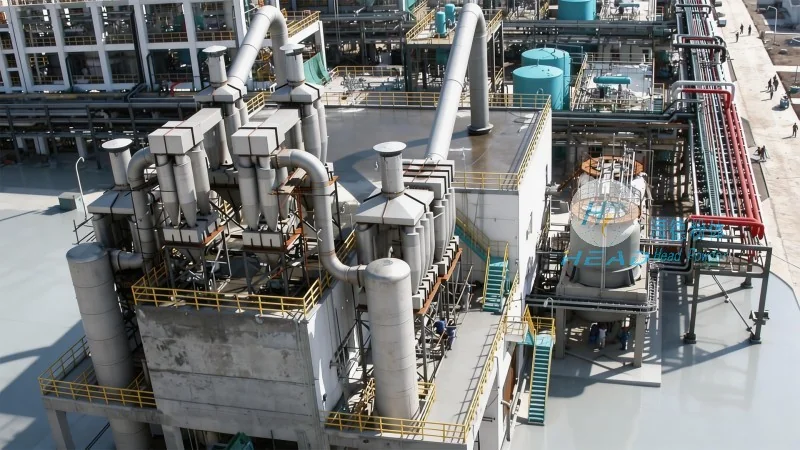
Brown sugar pneumatic conveying lines represent a sophisticated method for transporting granular or powdered materials, including brown sugar, through a pressurized air system. Unlike traditional mechanical conveyors, these systems utilize air pressure to move material from one location to another, offering advantages such as reduced contamination, lower maintenance, and the ability to handle materials in enclosed environments. The fundamental principle involves creating a pressure differential that propels the material through a pipeline, often using a combination of positive and negative pressure zones to control flow and prevent backflow.
Key Working Principles of Pneumatic Conveying
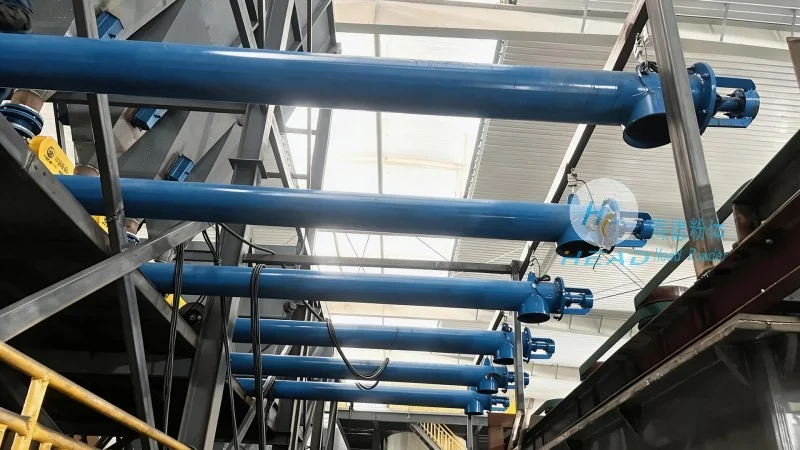
The operation of brown sugar pneumatic conveying lines is governed by several key principles. First, the system relies on air flow to transport the material, typically using a blower or compressor to generate the necessary pressure. The material is introduced into the system, either by gravity or mechanical feeders, and is then carried by the moving air stream. The design of the pipeline, including the use of bends, elbows, and expansion joints, is critical to maintaining efficient flow and preventing material degradation or blockages. Additionally, the system may incorporate filtration and separation components to ensure the material remains in a consistent state and to protect downstream equipment from contamination.
Common Working Scenarios and Applications
Brown sugar pneumatic conveying lines are widely used in various industrial settings, particularly in sugar processing plants and food manufacturing facilities. In these environments, the systems are employed to move brown sugar from storage silos to processing equipment, such as mixers, reactors, or packaging lines. The enclosed nature of the system helps maintain product quality by preventing exposure to moisture, dust, or other contaminants. Additionally, these systems are suitable for transporting brown sugar in both dry and slightly moist conditions, making them versatile for different production stages. Some common scenarios include:
- Transporting brown sugar from raw material storage to production lines in sugar refineries.
- Conveying brown sugar to blending stations where it is mixed with other ingredients for food products.
- Moving brown sugar from processing units to packaging machines for final product distribution.
- Handling brown sugar in environments where dust control and hygiene are critical, such as in food processing facilities.
Advantages of Using Pneumatic Conveying for Brown Sugar
Implementing brown sugar pneumatic conveying lines offers several advantages over traditional conveyor systems. One of the primary benefits is the ability to maintain product integrity, as the enclosed system minimizes exposure to external factors that could affect the quality or flavor of the sugar. Additionally, these systems are generally more hygienic and easier to clean, which is essential in food processing industries where regulatory compliance is a priority. The flexibility of pneumatic conveying allows for easy integration with existing production lines and the ability to adjust flow rates as needed, providing operational efficiency. Furthermore, the reduced need for mechanical parts compared to traditional conveyors leads to lower maintenance costs and longer equipment lifespan.
About Shandong HeadPowder Engineering Co., Ltd.
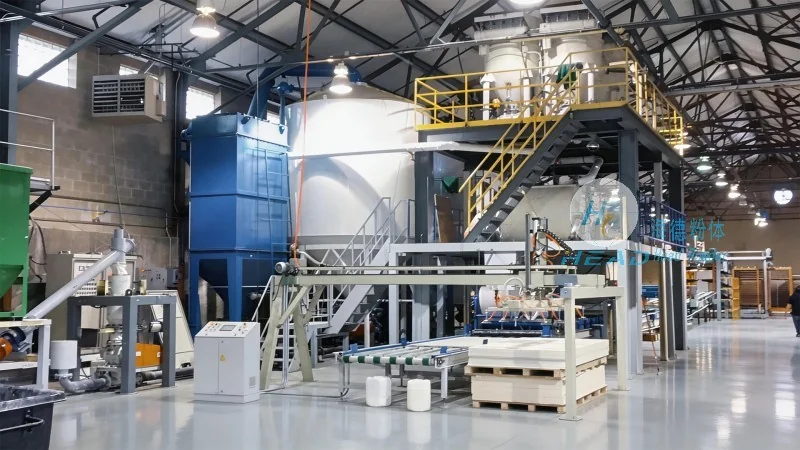
As a leading provider of industrial conveying solutions, Shandong HeadPowder Engineering Co., Ltd. specializes in designing and manufacturing high-quality pneumatic conveying systems tailored to the needs of the sugar industry. With years of experience in the field, the company has developed expertise in understanding the unique challenges of handling brown sugar and other bulk materials. HeadPowder's engineers work closely with clients to assess their specific requirements, from material characteristics to operational constraints, and design customized solutions that optimize performance and reliability. The company's commitment to quality and innovation ensures that its pneumatic conveying lines meet the highest standards of efficiency and durability.
Conclusion
Brown sugar pneumatic conveying lines represent a reliable and efficient solution for transporting bulk sugar in industrial settings. By leveraging the principles of air pressure and enclosed systems, these technologies offer significant advantages in terms of product quality, hygiene, and operational flexibility. For industries seeking to enhance their sugar processing capabilities, investing in a well-designed pneumatic conveying system from a trusted provider like Shandong HeadPowder Engineering Co., Ltd. can lead to improved productivity and compliance with industry standards.