

Principle and Working Scene Characteristics of Mung Bean Pneumatic Conveying Lines
Mung bean pneumatic conveying lines are a critical component in modern food processing and agricultural logistics. These systems utilize air pressure to transport mung beans and other bulk materials efficiently and safely. Understanding the underlying principles and operational characteristics of such lines is essential for optimizing workflows in processing facilities.
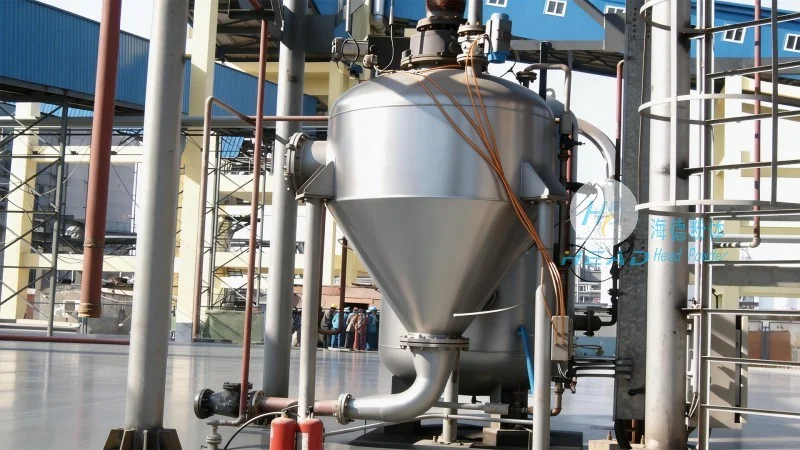
Introduction to Pneumatic Conveying Technology
Pneumatic conveying systems operate by moving dry bulk materials through pipelines using compressed air or other gases. This method offers distinct advantages over traditional mechanical conveyors, including reduced contamination risk, lower maintenance requirements, and the ability to transport materials over extended distances without the need for multiple transfer points.
The Core Principle of Mung Bean Pneumatic Conveying Lines
The fundamental principle of mung bean pneumatic conveying lines revolves around the use of air as the conveying medium. The system typically comprises a hopper for material storage, a feeder to regulate flow rates, a pipeline network, and a receiver or silo for discharged material. The process initiates when mung beans are fed into the system, where they are entrained by high-pressure air. The air-material mixture travels through the pipeline, and as air pressure is gradually reduced near the receiver, the mung beans separate from the air and are deposited.
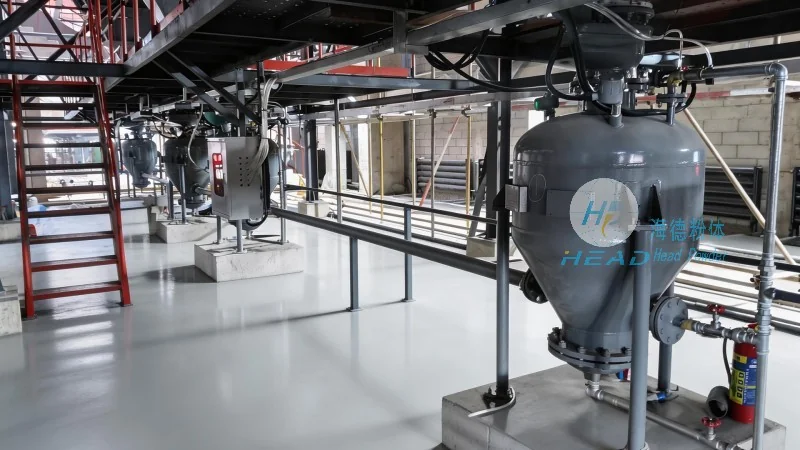
Working Scene Characteristics of Mung Bean Pneumatic Conveying Lines
The working scene characteristics of mung bean pneumatic conveying lines are tailored to the specific demands of food processing environments. These systems are commonly employed in factories where mung beans undergo cleaning, sorting, and preparation for subsequent processing steps like cooking or packaging. Key characteristics include:
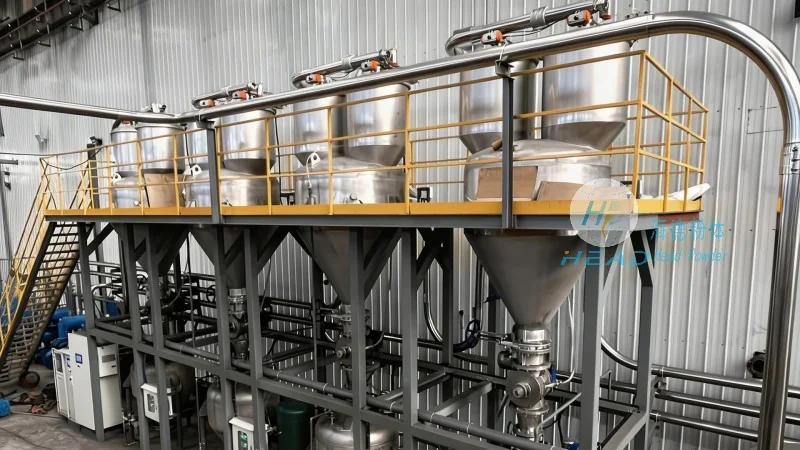
- Hygienic Design: Components are constructed from materials compliant with food safety standards, ensuring mung beans remain uncontaminated during transport.
- Efficient Material Handling: The system can manage large volumes of mung beans with minimal labor, reducing human error risks and enhancing overall productivity.
- Space-Saving: Pneumatic conveying lines can be installed in compact spaces, making them suitable for facilities with limited floor area.
- Low Maintenance: Compared to mechanical conveyors, pneumatic systems have fewer moving parts, leading to lower maintenance costs and extended service life.
Application Scenarios in Mung Bean Processing
Mung bean pneumatic conveying lines are widely utilized across various stages of mung bean processing. For instance, after harvesting, mung beans are often cleaned and sorted using these systems to remove impurities and ensure uniform quality. The conveying lines then transport the cleaned beans to storage silos or processing units for further operations such as hulling, cooking, or drying. Additionally, the systems are suitable for transporting mung beans to packaging lines, where they are filled into bags or containers for distribution.
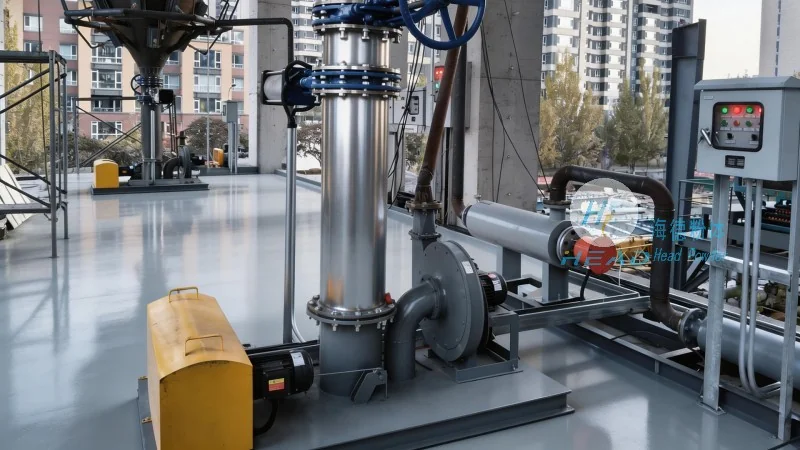
Company Overview: Shandong HeadPowder Engineering Co., Ltd.
Shandong HeadPowder Engineering Co., Ltd., commonly known as HeadPowder, is a leading manufacturer of pneumatic conveying systems and related equipment. Headquartered in Shandong, China, the company has built a strong reputation for delivering innovative and high-quality solutions tailored to the food processing industry. With extensive experience in the field, HeadPowder specializes in designing and manufacturing specialized mung bean pneumatic conveying lines that meet stringent food safety and operational efficiency standards.
Conclusion
Mung bean pneumatic conveying lines represent a sophisticated and efficient solution for handling bulk materials in the food processing industry. By leveraging the principles of pneumatic transport, these systems offer significant advantages in terms of hygiene, efficiency, and operational flexibility. Consequently, they are increasingly adopted in modern mung bean processing facilities, contributing to improved productivity and product quality.