

Principle and Working Scene Characteristics of Continuous Material Feeding Pneumatic Conveying Syste
Continuous material feeding pneumatic conveying systems represent a sophisticated solution in material handling, designed to efficiently transport bulk materials over varying distances with minimal disruption to the material's physical properties. These systems are particularly valuable in industries where maintaining product integrity, such as in powders or granules, is critical. The core of such systems lies in their ability to handle materials continuously, ensuring a steady flow that supports high-throughput operations.
Principle of Continuous Material Feeding Pneumatic Conveying
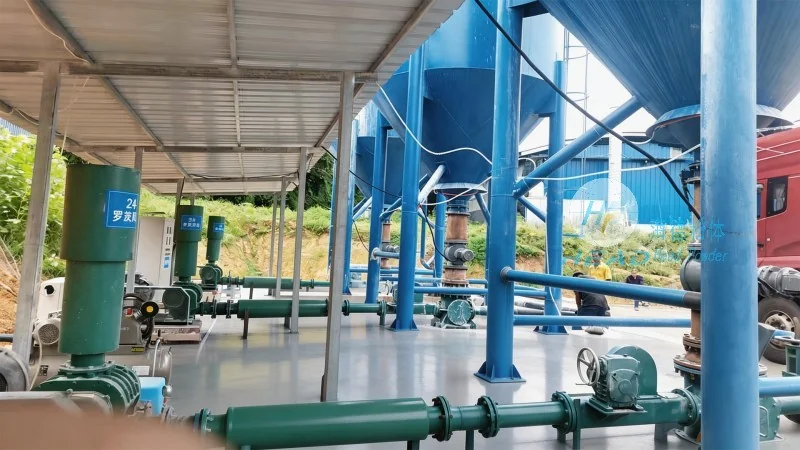
The fundamental principle behind continuous material feeding pneumatic conveying involves the use of a pressurized or vacuum system to move material through a pipeline. In a pressurized system, air or another gas is introduced under pressure, creating a flow that propels the material particles. Conversely, vacuum systems create a negative pressure that draws material into the pipeline. The continuous feeding mechanism typically involves a hopper or feeder that supplies material at a consistent rate, ensuring a steady stream into the conveying line. This approach contrasts with batch or intermittent systems, offering advantages in terms of operational efficiency and reduced downtime.
Key Components and Operational Mechanics
At the heart of a continuous material feeding pneumatic conveying system are several key components that work in concert to achieve effective material transport. The primary components include a material hopper or feeder, which provides a constant supply of material, often equipped with a rotary valve or screw feeder to regulate the flow rate. The conveying pipeline, usually made of stainless steel or other corrosion-resistant materials, is designed to withstand the pressures and temperatures associated with the material being transported. Air or gas is introduced via a blower or compressor, which generates the necessary pressure or vacuum. The system may also include in-line filters to remove moisture or contaminants from the air stream, and check valves to prevent backflow. The material is then discharged at the receiving end through a hopper or silo, where it is collected for further processing.
Working Scene Characteristics and Applications
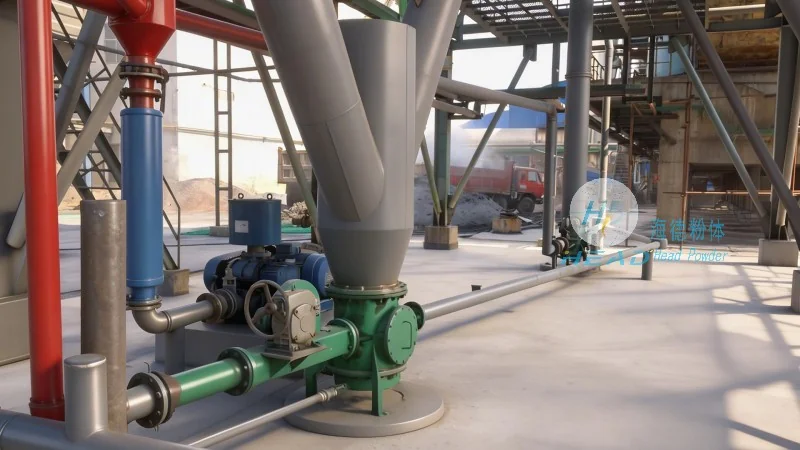
Continuous material feeding pneumatic conveying systems are employed in a wide range of industrial applications, each leveraging the system's ability to handle materials continuously and efficiently. In the pharmaceutical industry, for example, these systems are used to transport active pharmaceutical ingredients (APIs) and excipients with strict purity requirements, ensuring that the material remains free from contamination and maintains its physical characteristics. The food processing sector also benefits from such systems, particularly in handling dry ingredients like flour, sugar, or spices, where maintaining product quality and preventing cross-contamination is paramount. In the chemical industry, continuous feeding pneumatic conveyors are used to transport powders and granules, such as fertilizers or industrial chemicals, where consistent flow and minimal material degradation are essential. Additionally, in the mining and mineral processing industries, these systems are employed to transport raw materials from storage to processing facilities, supporting high-volume operations.
Advantages and Performance Metrics
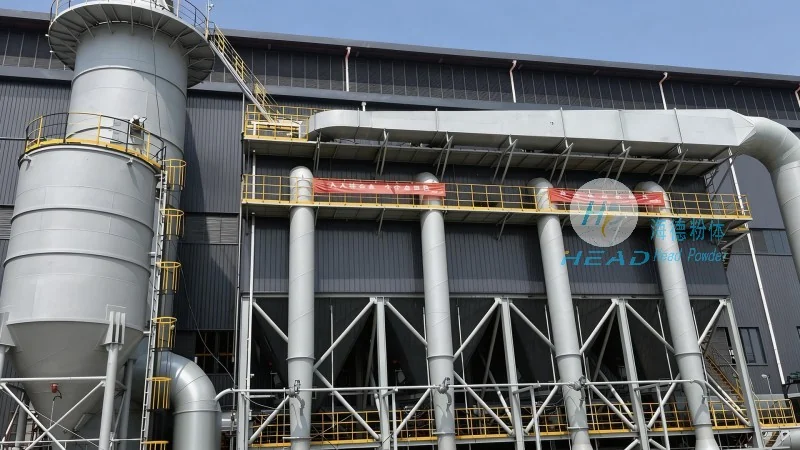
One of the primary advantages of continuous material feeding pneumatic conveying systems is their ability to handle materials over long distances with minimal energy consumption compared to other transport methods like belt conveyors or trucks. The systems are also highly flexible, allowing for changes in material type or flow rate without significant modifications to the infrastructure. Furthermore, continuous feeding reduces the need for manual intervention, enhancing operational safety and reducing labor costs. Performance metrics for these systems typically include conveying capacity, which is measured in tons per hour, and pressure drop across the pipeline, which indicates the efficiency of the system. The efficiency of the blower or compressor, often expressed as a ratio of air volume to power input, is another critical metric that affects overall system performance.
Installation and Maintenance Considerations
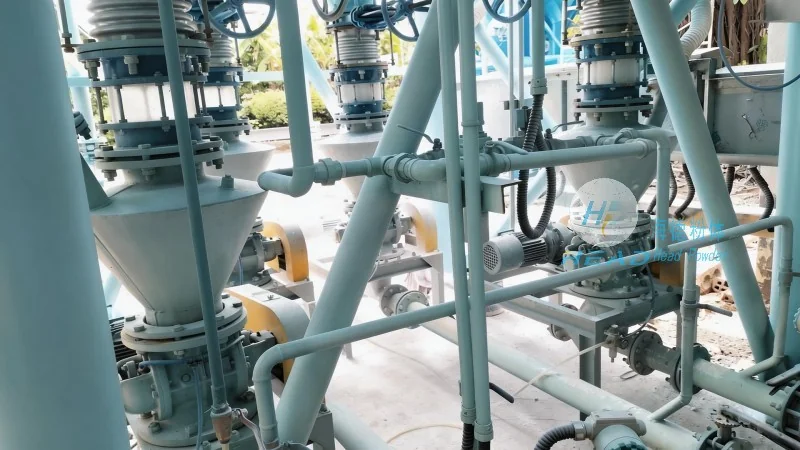
Proper installation and regular maintenance are crucial for the reliable operation of continuous material feeding pneumatic conveying systems. Installation involves careful planning to ensure that the pipeline layout minimizes bends and changes in direction, as excessive bends can increase pressure drop and reduce conveying efficiency. The system must also be installed with appropriate supports to prevent sagging, which could lead to material buildup or blockages. Maintenance activities include regular cleaning of the pipeline and filters to prevent clogging, inspection of the blower or compressor for wear and tear, and checking the feeder and hopper for material buildup or wear. Regular maintenance helps to extend the lifespan of the system and maintain its performance over time.
Case Study: Application in a Pharmaceutical Plant
Shandong HeadPowder Engineering Co., Ltd., a leading manufacturer of material handling equipment based in Shandong, China, has successfully implemented a continuous material feeding pneumatic conveying system in a pharmaceutical plant. The system was designed to transport active pharmaceutical ingredients (APIs) from a raw material storage silo to a blending and packaging area. The system features a stainless steel pipeline with in-line filters to ensure the purity of the material, and a rotary valve feeder to maintain a consistent flow rate. The plant reported a significant improvement in production efficiency, with the system achieving a conveying capacity of 10 tons per hour, compared to the previous batch system which had a capacity of only 3 tons per hour. The continuous feeding system also reduced the risk of material contamination, as the closed pipeline design prevents exposure to the environment. This case study highlights the effectiveness of continuous material feeding pneumatic conveying systems in improving operational efficiency and maintaining product quality in high-purity applications.