

Principle and Working Scene Characteristics of Pearl Salt Powder Pneumatic Conveying System Equipmen
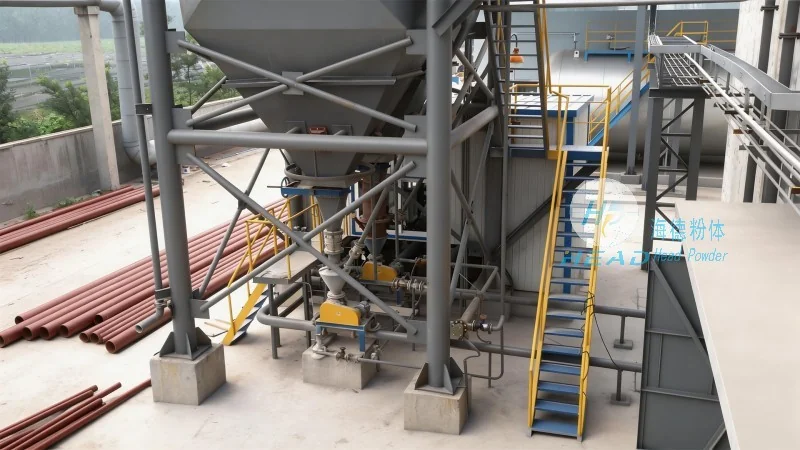
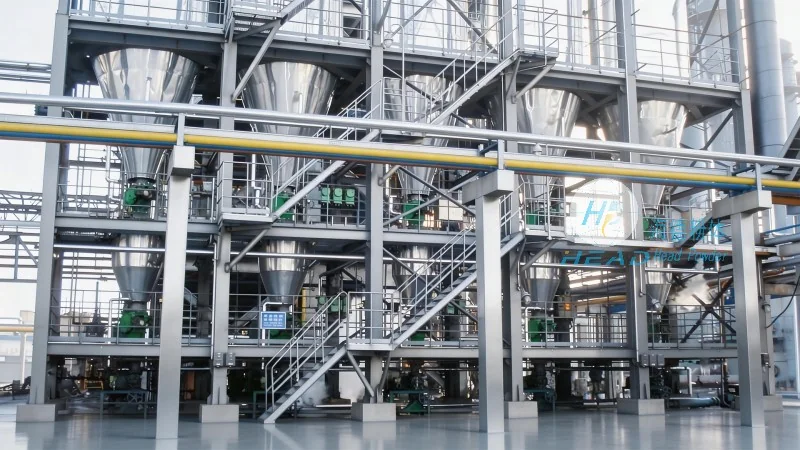
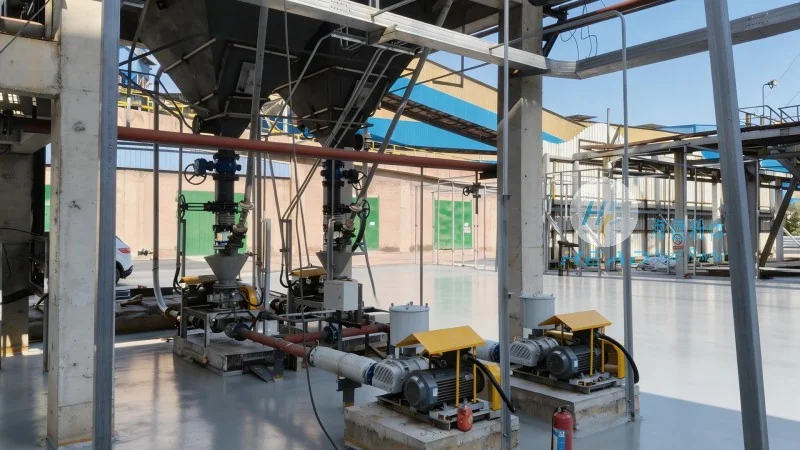
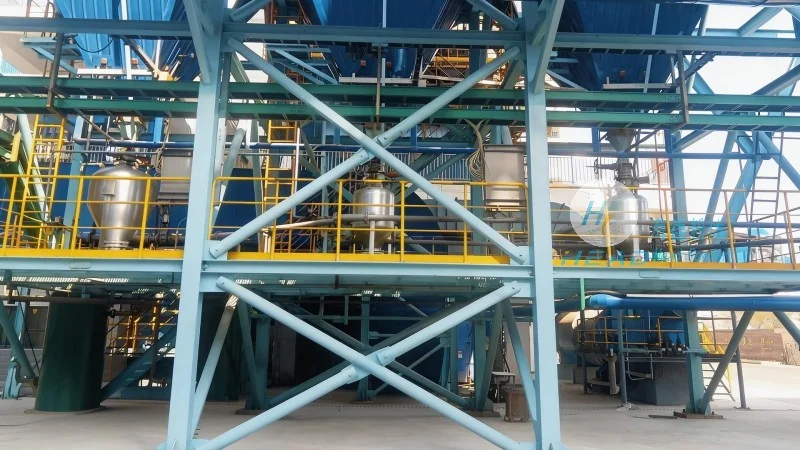
The pearl salt powder pneumatic conveying system, as a key piece of industrial equipment, is designed to efficiently transport fine powder materials like pearl salt. This system operates on the principle of air flow, utilizing compressed air to move the powder from the source to the destination. The core components include a feeding hopper, a conveying pipe, a dust collector, and a control system, each playing a crucial role in ensuring stable and reliable material transport. The system's design addresses common challenges in powder handling, such as dust generation and material segregation, by integrating advanced engineering solutions. As a product of Shandong HeadPowder Engineering Co., Ltd., this system is engineered to meet the stringent requirements of industries handling fine powders, ensuring high performance and durability.
Working Principle of the Pneumatic Conveying System
The operation of the pearl salt powder pneumatic conveying system is based on the fundamental physics of fluid dynamics. When compressed air is introduced into the conveying pipe, it creates a pressure differential that propels the powder particles forward. The system typically uses a positive pressure or negative pressure (vacuum) method. In the positive pressure system, air is blown into the conveying line, carrying the powder particles. The negative pressure system, also known as a vacuum conveyor, sucks the powder into the pipe using a vacuum pump. For pearl salt powder, which is fine and can be prone to dust, the positive pressure system is often preferred as it provides better control over the air flow and reduces the risk of material clogging. The feeding mechanism ensures a consistent flow of powder into the system, while the control system monitors and adjusts the air pressure and flow rate to maintain optimal conveying efficiency. The system's design also incorporates features such as air filtration and particle separation to enhance the quality of the transported material and protect the equipment from wear and tear.