

Principle and Working Scene Characteristics of Potassium Hydroxide Pneumatic Conveying System Equipm
HeadPowder, a leading enterprise in the field of material handling solutions, specializes in the design, manufacturing, and supply of advanced pneumatic conveying systems. This article delves into the technical principles and practical application scenarios of the Potassium Hydroxide Pneumatic Conveying System, highlighting its efficiency, reliability, and adaptability in industrial settings.
Introduction to Potassium Hydroxide Pneumatic Conveying Systems
Potassium hydroxide (KOH) is a highly caustic and reactive chemical widely used in various industries, including chemical manufacturing, pharmaceuticals, and food processing. The safe and efficient transportation of KOH powder or granules is critical to ensure operational safety and product quality. Pneumatic conveying systems offer a non-contact, closed-loop method to transport such materials, minimizing contamination risks and enhancing process control. HeadPowder Engineering Co., Ltd., headquartered in Shandong, China, has developed specialized equipment tailored to handle the unique properties of KOH, ensuring optimal performance in demanding environments.
Technical Principle of Pneumatic Conveying Systems
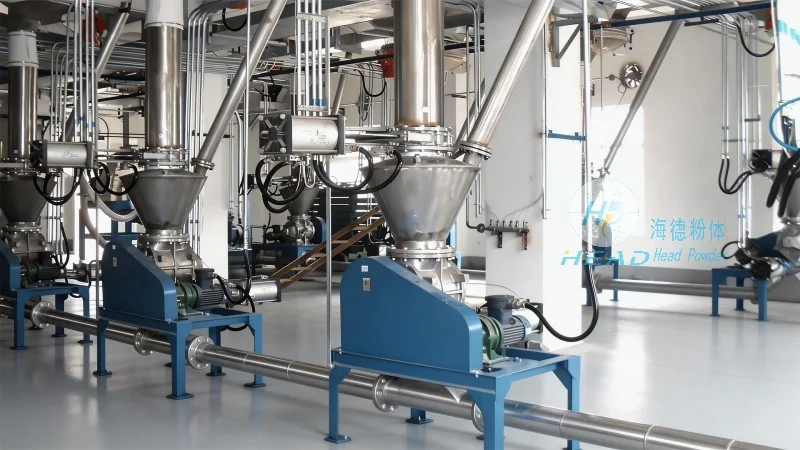
The core principle of pneumatic conveying involves the use of compressed air or gas to transport bulk materials through a pipeline. In the case of KOH, the system typically operates under positive pressure, where air is forced through the material, creating a slurry-like mixture that moves through the pipeline. Key components include a hopper for material storage, a rotary valve for controlled discharge, a compressor to generate the necessary air pressure, and a conveying line with appropriate diameter and length. The system's design must account for KOH's hygroscopic nature and reactivity, incorporating materials resistant to corrosion and chemical attack, such as stainless steel or specialized alloys. The air velocity and pressure are carefully regulated to prevent material degradation, blockages, or system damage, ensuring a smooth and continuous flow.
Working Scene Characteristics and Application Scenarios
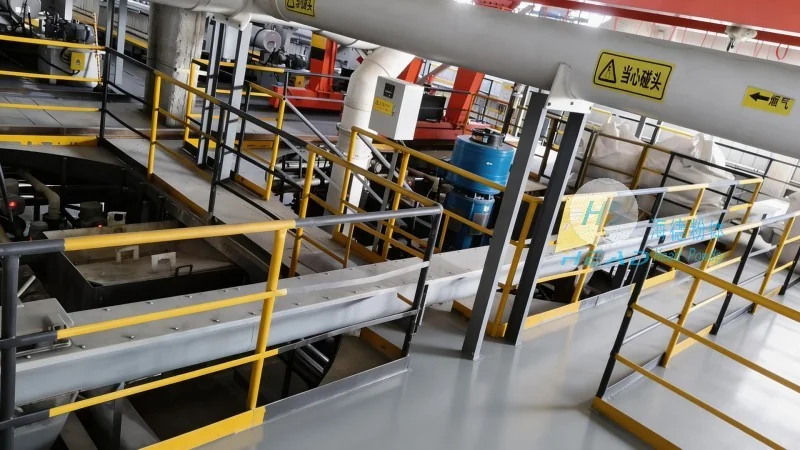
The Potassium Hydroxide Pneumatic Conveying System is designed to meet diverse industrial requirements, with specific characteristics that enhance its suitability for various applications. One primary advantage is its ability to handle high-purity materials without cross-contamination, which is crucial in pharmaceutical and food industries where product integrity is paramount. The system's compact design allows for integration into existing production lines, minimizing space requirements and installation costs. Additionally, the closed-loop operation reduces dust emissions and environmental impact, aligning with modern industrial safety and sustainability standards.
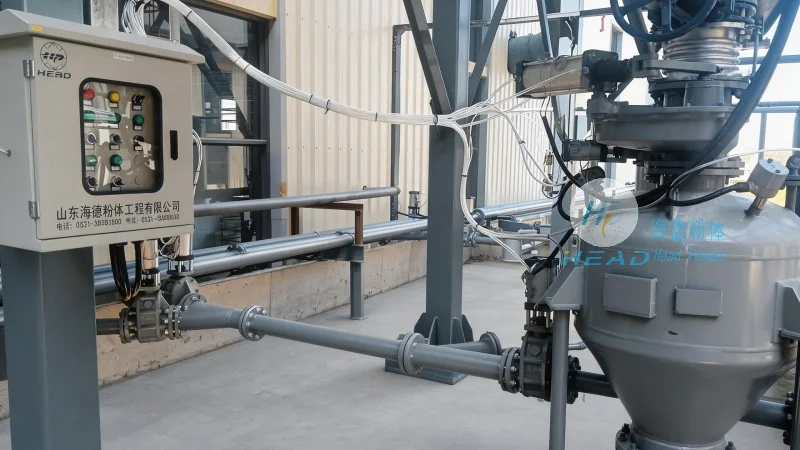
In chemical manufacturing, the system is often used to transport KOH from storage silos to reactors or processing units, ensuring a consistent feed rate and preventing material buildup in the hopper. The positive pressure system prevents air ingress, maintaining the material's quality and preventing moisture absorption, which could affect its reactivity. For pharmaceutical applications, the system's hygienic design, including smooth surfaces and easy-to-clean components, meets stringent regulatory requirements, such as those from the FDA or GMP. The adaptability of the system also allows for integration with other processing equipment, such as mixers or reactors, creating a seamless material flow from storage to end-use.
Advantages and Operational Benefits
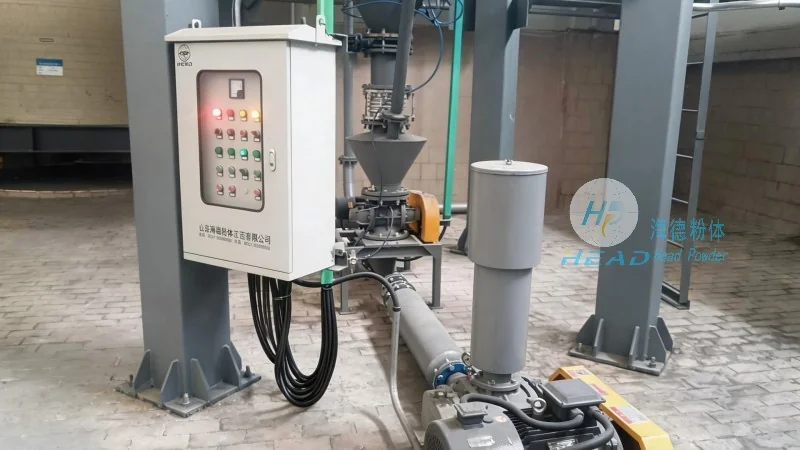
Implementing a Potassium Hydroxide Pneumatic Conveying System offers several operational benefits that enhance productivity and safety. The non-contact conveying method eliminates the need for mechanical components like conveyor belts or screw conveyors, reducing maintenance costs and downtime. The system's ability to handle abrasive or corrosive materials, such as KOH, extends the lifespan of components, reducing replacement frequency and overall operational expenses. Furthermore, the closed-loop design minimizes material loss and waste, improving cost efficiency and environmental compliance. The system's control features, including variable speed compressors and flow meters, allow for precise material control, optimizing production processes and reducing overuse of raw materials.
Conclusion
HeadPowder Engineering Co., Ltd. provides comprehensive solutions for the safe and efficient handling of Potassium Hydroxide through advanced pneumatic conveying systems. By understanding the technical principles and working scene characteristics, industries can leverage these systems to enhance operational efficiency, ensure product quality, and maintain compliance with safety and environmental regulations. The expertise and innovation of HeadPowder in material handling technology make their systems a reliable choice for businesses requiring robust and adaptable solutions for KOH transportation.