

Principle and Working Scene Characteristics of Pneumatic Conveying for Pyrolysis Carbon Powder
Pyrolysis carbon powder, a material derived from the thermal decomposition of organic substances, presents unique challenges in material handling due to its fine particle size and potential for dust generation. Pneumatic conveying emerges as an efficient solution for transporting such powders, offering a dust-free and automated method of material transport. This article explores the fundamental principles behind pneumatic conveying systems and highlights the key characteristics of their application in various working scenarios.
The Core Principles of Pneumatic Conveying
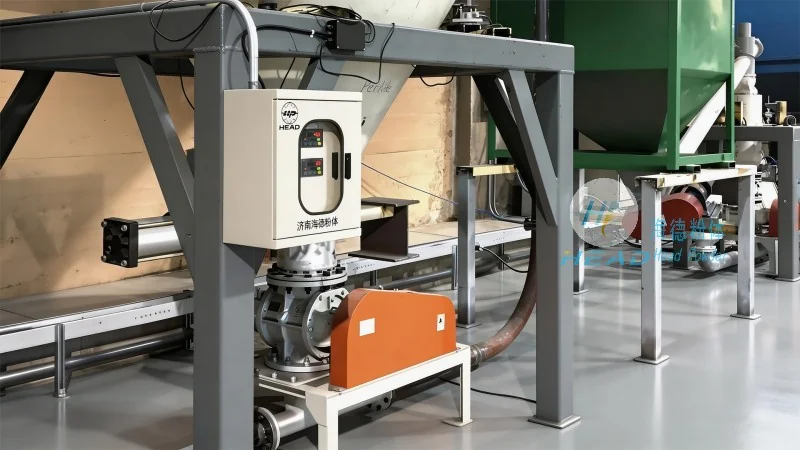
Pneumatic conveying operates on the principle of using air or gas to transport particulate materials through a pipeline. The system typically consists of a material feed hopper, a conveyor line, and a discharge mechanism. The process involves creating a pressure differential between the inlet and outlet of the system, which propels the powder particles forward. There are two primary types of pneumatic conveying: pressure and vacuum systems. Pressure systems use compressed air to push the material, while vacuum systems employ a vacuum to pull the material. For pyrolysis carbon powder, which is often light and fine, a pressure system is commonly preferred due to its ability to handle high material loads and maintain consistent flow rates. The design of the conveying line, including the diameter and length, is critical to ensure efficient transport without excessive pressure loss or particle degradation. HeadPowder, a leading provider in this field, specializes in customizing pneumatic conveying solutions tailored to the specific properties of pyrolysis carbon powder, ensuring optimal performance and reliability.
Key Working Scene Characteristics
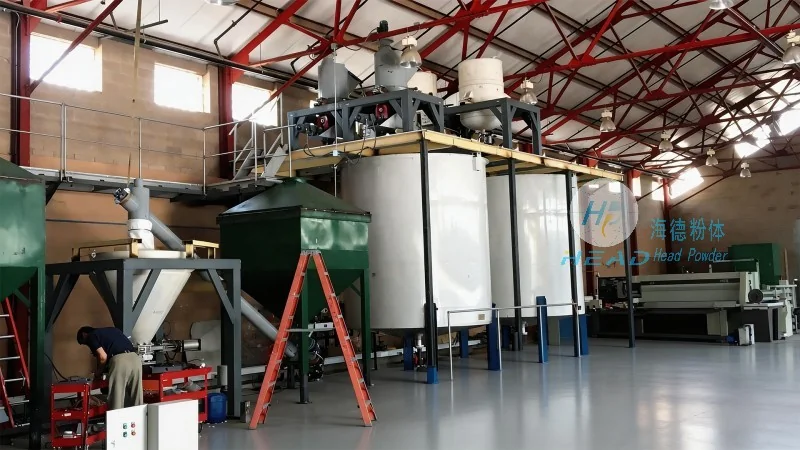
The application of pneumatic conveying for pyrolysis carbon powder is characterized by several distinct features that enhance operational efficiency and safety. One of the primary advantages is the ability to transport material over long distances without the need for mechanical components like belts or buckets, reducing maintenance costs and operational downtime. The dust-free nature of pneumatic conveying is particularly beneficial in environments where dust control is critical, such as in industrial facilities where air quality regulations are stringent. This is achieved through the enclosed pipeline system, which prevents dust from escaping into the workplace, thereby improving air quality and reducing the risk of respiratory issues for workers. Additionally, pneumatic conveying systems can be integrated with other processing equipment, such as mixing or drying units, to create a seamless material handling workflow. HeadPowder's expertise in system integration ensures that the conveying system is optimized to work in conjunction with existing or new processing equipment, maximizing overall productivity. The flexibility of pneumatic conveying also allows for easy adjustment of material flow rates, enabling precise control over the amount of powder being transported. This is essential in applications where the material is used in precise dosing or quality control processes. Furthermore, the system's ability to handle a wide range of particle sizes and moisture content makes it suitable for various pyrolysis carbon powder applications, from raw material transport to finished product delivery.
Application Examples and Operational Benefits
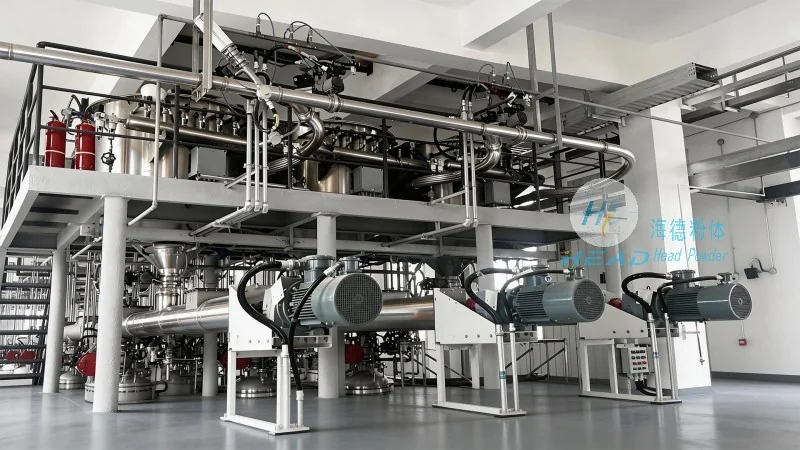
Real-world applications of pneumatic conveying for pyrolysis carbon powder span across multiple industries, including chemical manufacturing, food processing, and environmental remediation. In chemical plants, pyrolysis carbon powder is often used as a catalyst or adsorbent, and pneumatic conveying ensures that the material is transported safely and efficiently to reactors or storage tanks. The system's ability to maintain consistent particle size distribution is crucial in these applications, as variations can affect the performance of the catalyst. HeadPowder's systems are designed to minimize particle segregation and maintain uniformity, ensuring reliable performance. In food processing facilities, where the material may be used as a food additive or filter, the dust-free operation of pneumatic conveying is essential to meet food safety standards. The system's hygienic design, with smooth surfaces and easy-to-clean components, helps maintain compliance with regulatory requirements. Environmental remediation projects also benefit from pneumatic conveying, as it allows for the transport of pyrolysis carbon powder used in soil or water treatment processes. The ability to handle large volumes of material over long distances makes the system ideal for these applications, where material transport is a significant logistical challenge. Operational benefits of pneumatic conveying include reduced labor costs, as the system automates the material handling process, and increased safety, as there is no need for manual handling of powders. Additionally, the system's low energy consumption compared to other transport methods makes it an environmentally friendly option, aligning with modern sustainability goals.