

Principles and Working Scene Characteristics of Pneumatic Conveying for Heptahydrate Magnesium Sulfa
Heptahydrate magnesium sulfate, commonly known as Epsom salt, is a widely used chemical compound in various industrial applications. The efficient handling and transportation of this powder are crucial for maintaining production efficiency and product quality. Pneumatic conveying is a key technology for moving heptahydrate magnesium sulfate powder from one location to another, offering advantages such as low maintenance, flexibility, and the ability to handle fine powders without contamination. This article explores the principles behind pneumatic conveying for heptahydrate magnesium sulfate powder and highlights the specific working scene characteristics that make this method suitable for various industrial settings.
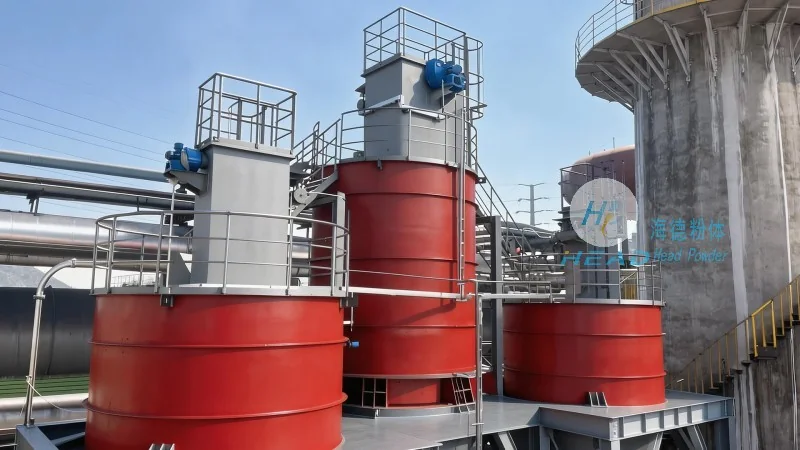
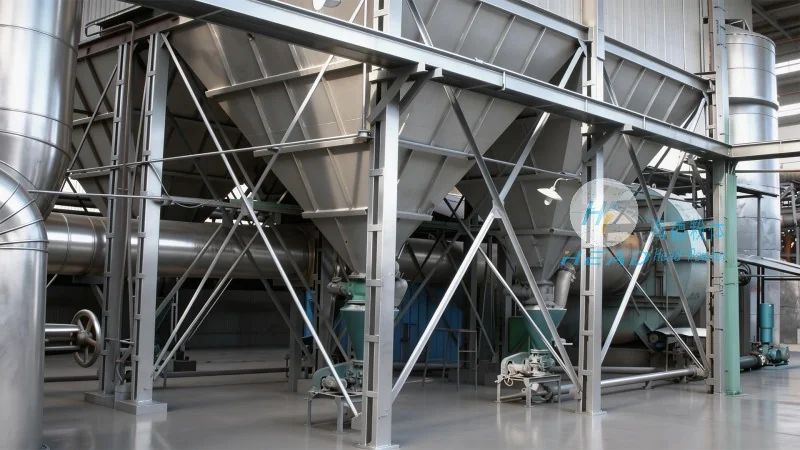
Understanding Pneumatic Conveying Principles
Pneumatic conveying works by using a stream of air to transport solid particles through a pipeline. The process involves several key components, including a material feed hopper, a conveyor line, and a discharge point. The fundamental principle is to create a pressure differential that propels the powder particles along the pipeline. There are two main types of pneumatic conveying systems: pressure and vacuum. Pressure systems use compressed air to push the material forward, while vacuum systems use a vacuum to pull the material into the pipeline. For heptahydrate magnesium sulfate powder, the choice of system depends on factors like the distance to be covered, the volume of material to be conveyed, and the need for dust control.

Key Components and Their Function in Pneumatic Conveying
The effectiveness of a pneumatic conveying system for heptahydrate magnesium sulfate powder relies on the proper functioning of several components. The material feed hopper is designed to store and feed the powder into the conveyor line at a controlled rate. This component often includes a rotary valve or a star feeder to ensure a consistent flow of material. The conveyor line itself is typically made of stainless steel or other corrosion-resistant materials to prevent contamination and ensure durability. The line may include bends, elbows, and expansion joints to accommodate changes in direction and accommodate pressure fluctuations. At the discharge end, a receiver or a dust collector is used to separate the powder from the air stream, preventing loss and ensuring that the material is collected in a clean and dry state. The system also includes a filter or a cyclone separator to remove any fine particles that may have escaped the main conveyor line, protecting the downstream equipment and maintaining air quality.

Working Scene Characteristics for Heptahydrate Magnesium Sulfate Powder
The application of pneumatic conveying for heptahydrate magnesium sulfate powder is influenced by several working scene characteristics. One of the primary considerations is the particle size and flowability of the powder. Heptahydrate magnesium sulfate is a fine powder with good flow properties, making it suitable for pneumatic conveying. However, if the powder is too fine or has high moisture content, it may lead to caking or blockages in the pipeline, which can reduce the efficiency of the system. Therefore, proper drying and conditioning of the material are essential before it enters the conveying system. Another important factor is the distance and layout of the conveying path. For short distances, a simple pressure system may be sufficient, while for longer distances, a combination of pressure and vacuum stages may be required to maintain the material's velocity and prevent deposition. The working environment also plays a role, as the system must be designed to handle any potential dust emissions and ensure compliance with environmental regulations. In industrial settings, the integration of the pneumatic conveying system with other processing equipment, such as mixing or packaging lines, is critical for seamless operation. The system must be able to handle varying production rates and maintain a consistent flow of material to meet the demands of the production process.