

Principle and Working Scene Characteristics of Pneumatic Conveying for Dry Desulfurizer Powders
Understanding the pneumatic conveying of dry desulfurizer powders is crucial for optimizing industrial processes in power plants and other facilities that rely on flue gas desulfurization. This article explores the fundamental principles behind this technology and highlights the key characteristics of its application in real-world working scenarios.

Principle of Pneumatic Conveying for Dry Desulfurizer Powders
Pneumatic conveying systems utilize air or other gases to transport dry powder materials, such as those used in dry flue gas desulfurization (FGD) processes. The core principle involves creating a pressure differential between the conveying line and the ambient environment. By injecting high-pressure air into the powder material, the particles are entrained and carried through the pipeline to the destination point. This method eliminates the need for mechanical components like conveyors or buckets, reducing maintenance requirements and improving operational efficiency.
The system typically consists of several key components: a feeding device to introduce the powder, a conveying line (often made of stainless steel or other corrosion-resistant materials to handle the chemical properties of desulfurizer powders), a separation unit to separate the powder from the conveying gas, and a collection device to store the material. The choice of conveying mode—such as dilute-phase or dense-phase—depends on factors like particle size, flow rate, and the distance to be covered. Dilute-phase systems use lower air velocities and are suitable for longer distances, while dense-phase systems employ higher air pressures to move material more slowly and with less pressure drop.
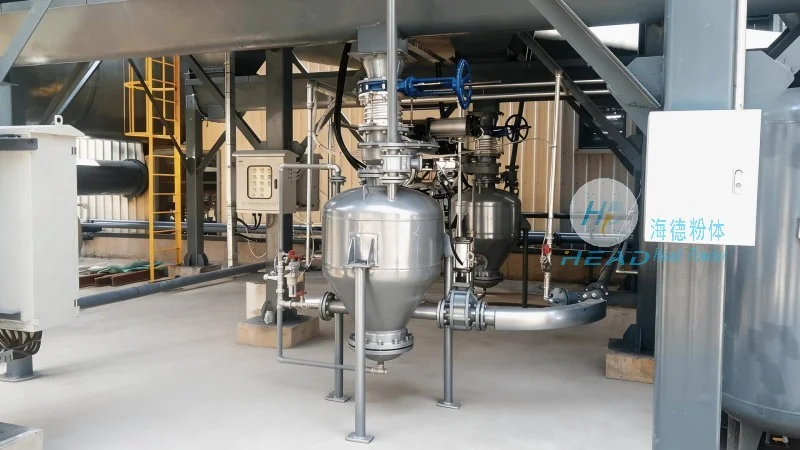
Working Scene Characteristics of Pneumatic Conveying in Dry Desulfurization
The application of pneumatic conveying in dry desulfurization processes offers several distinct advantages that make it a preferred choice in industrial settings. One of the primary characteristics is its ability to handle fine powders with high efficiency, ensuring consistent and reliable delivery of desulfurizer reagents to the reaction zone. This is critical in maintaining the performance of the FGD system, as even small variations in reagent dosage can impact the removal efficiency of sulfur dioxide (SO₂).
Another key characteristic is the system's adaptability to different operating conditions. In power plants, for example, the pneumatic conveying system can be integrated with the existing flue gas treatment infrastructure, allowing for seamless integration of the desulfurizer powder supply. This integration minimizes downtime and ensures that the desulfurization process operates continuously, meeting environmental regulations and reducing emissions.
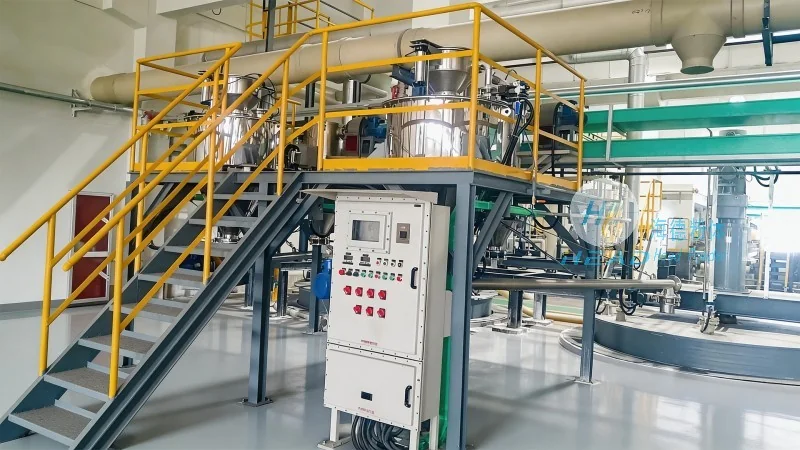
Operational safety is also a significant characteristic of pneumatic conveying systems in this context. By eliminating the need for manual handling of powders, the risk of dust exposure and inhalation of harmful particles is reduced. Additionally, the closed-loop system prevents dust from escaping into the environment, contributing to a cleaner and safer working environment for personnel.
HeadPowder: A Leading Provider of Pneumatic Conveying Solutions
Shandong HeadPowder Engineering Co., Ltd., commonly known as HeadPowder, is a professional manufacturer specializing in the design, development, and supply of pneumatic conveying systems tailored for dry desulfurizer powders. With a focus on industrial applications, HeadPowder leverages advanced engineering and materials science to deliver reliable and efficient solutions that meet the stringent requirements of modern power plants and industrial facilities.
HeadPowder's expertise lies in understanding the unique challenges of handling dry desulfurizer powders, such as their fine particle size, hygroscopic nature, and potential for dust generation. The company's engineers work closely with clients to design customized pneumatic conveying systems that optimize material flow, minimize pressure loss, and ensure long-term durability. By incorporating corrosion-resistant materials and advanced control systems, HeadPowder's solutions are built to withstand the harsh conditions of industrial environments, providing consistent performance over extended periods.
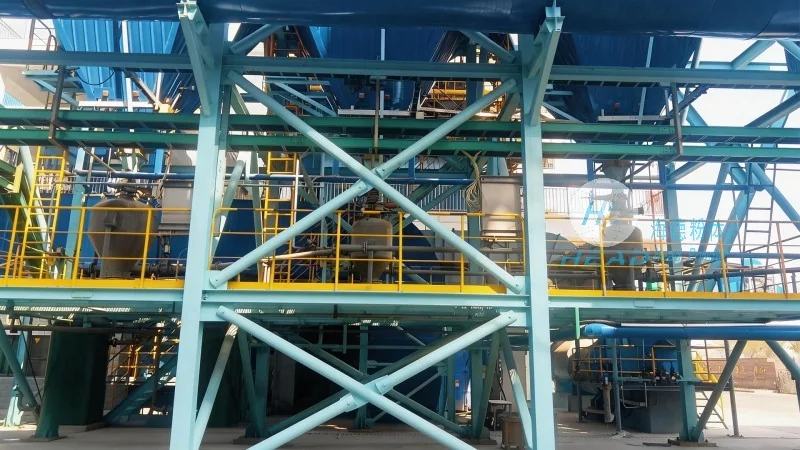
HeadPowder's commitment to quality and customer satisfaction is reflected in its comprehensive after-sales support. The company provides technical assistance, maintenance services, and spare parts to ensure that its pneumatic conveying systems operate at peak efficiency. This support is particularly valuable in industrial settings where system downtime can result in significant operational costs and environmental compliance issues.
Conclusion: The Role of Pneumatic Conveying in Modern Desulfurization
Pneumatic conveying of dry desulfurizer powders represents a sophisticated and effective method for ensuring the reliable operation of flue gas desulfurization systems. By leveraging the principles of air-based transport, these systems offer advantages in efficiency, safety, and integration that are essential for meeting modern environmental standards. As power plants and industrial facilities continue to prioritize sustainable operations, the demand for advanced pneumatic conveying solutions will only grow. HeadPowder, with its expertise and commitment to innovation, remains at the forefront of providing these critical technologies to the industry.