

Principle and Working Scene Characteristics of Copper Sulfate Powder Pneumatic Conveying Equipment
HeadPowder, a leading manufacturer based in Shandong, China, specializes in the design and production of advanced copper sulfate powder pneumatic conveying equipment. This article explores the fundamental principles behind such systems and highlights the key working scene characteristics that make them essential in various industrial applications.
Understanding the Pneumatic Conveying Principle
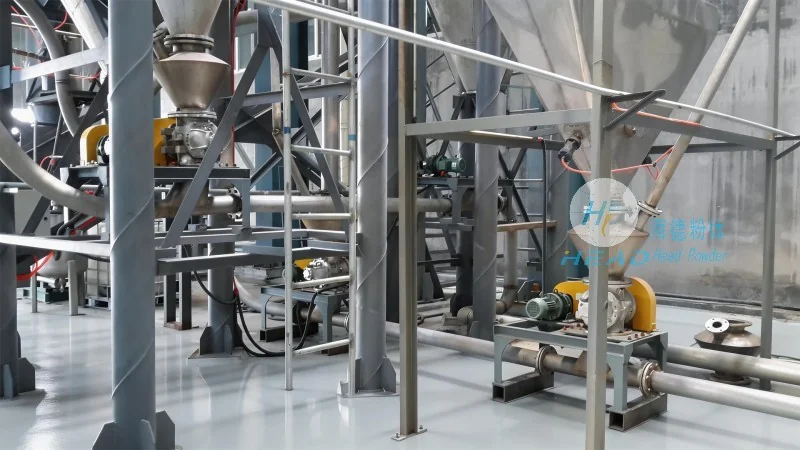
The core of copper sulfate powder pneumatic conveying systems lies in the use of air as the medium to transport dry powders. Unlike traditional mechanical conveying methods, which rely on belts, screws, or buckets, pneumatic systems utilize compressed air to create a flow that moves the powder particles through a pipeline. This method is particularly effective for handling copper sulfate, a fine powder commonly used in agriculture, water treatment, and chemical manufacturing, where dust control and efficient material transfer are critical.
At the heart of the system is a blower or compressor that generates the necessary air pressure. The copper sulfate powder is introduced into the system via a hopper or feeder, and the air flow pulls the powder particles into the pipeline. The velocity of the air ensures that the powder remains suspended and moves smoothly through the system, minimizing blockages and ensuring consistent flow rates. This principle allows for a flexible and efficient way to transport copper sulfate from storage silos to processing units or packaging areas without the need for complex machinery or extensive infrastructure.
Key Working Scene Characteristics
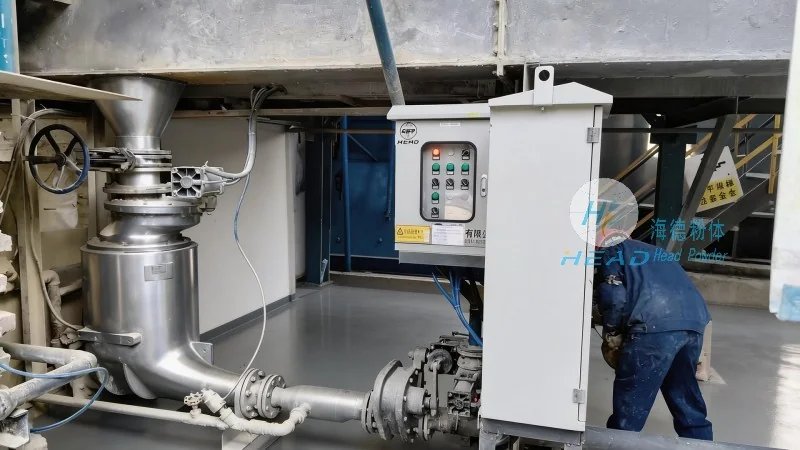
The working scene characteristics of copper sulfate powder pneumatic conveying equipment are tailored to meet the demands of specific industrial environments. These systems are designed to operate in settings where material handling efficiency, safety, and environmental control are paramount. For instance, in agricultural facilities, the equipment is used to transport copper sulfate for fertilizer production or pest control applications, where precise dosing and minimal waste are essential.
In water treatment plants, the pneumatic conveying system ensures that copper sulfate is delivered to the treatment tanks in a controlled manner, maintaining the required chemical concentration for disinfection and water purification processes. The ability to handle fine powders without generating excessive dust is a significant advantage, as it reduces the risk of inhalation hazards and environmental contamination. Additionally, the system's ability to operate in a closed loop minimizes material loss and improves overall process efficiency.
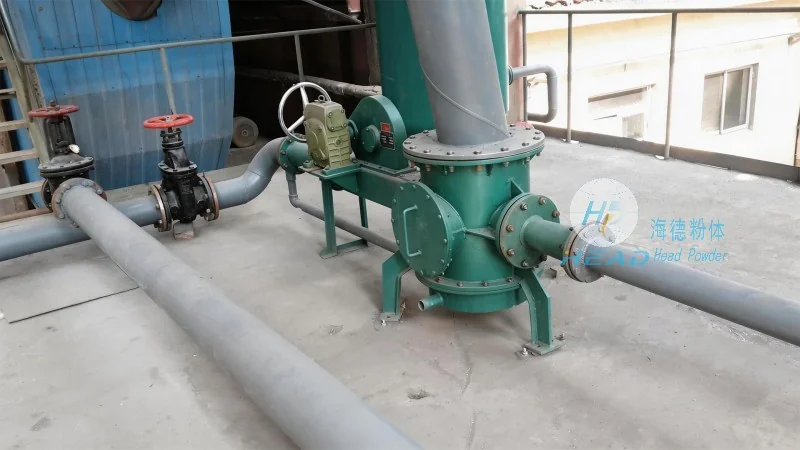
Another key working scene characteristic is the adaptability of the equipment to different plant layouts. Whether in a compact manufacturing facility or a large-scale industrial complex, the pneumatic conveying system can be customized to fit the available space and integrate seamlessly with existing infrastructure. This flexibility allows companies to optimize their material handling processes without major renovations or disruptions to production.
Benefits and Applications
Implementing copper sulfate powder pneumatic conveying equipment offers several benefits that enhance operational performance and safety. The primary advantage is the reduction in manual handling, which minimizes the risk of accidents and exposure to dust. By automating the material transport process, companies can improve worker safety and compliance with occupational health regulations.
Efficiency is another critical benefit. Pneumatic systems can transport copper sulfate over long distances with minimal energy consumption compared to other methods. The consistent flow rate and reduced downtime due to blockages or maintenance make the system highly reliable. This reliability is crucial in industries where continuous operation is essential, such as chemical manufacturing or water treatment, where any interruption can lead to significant operational costs.
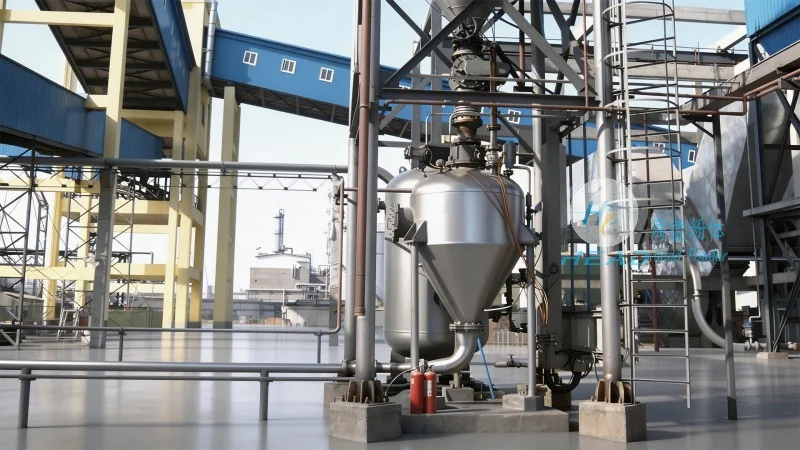
The environmental benefits are also noteworthy. By operating in a closed system, the equipment reduces the release of copper sulfate dust into the environment, which is important for maintaining air quality and complying with environmental regulations. This feature is particularly relevant in regions with strict air pollution controls, where companies must adhere to stringent emission standards.
Conclusion
HeadPowder's copper sulfate powder pneumatic conveying equipment exemplifies the integration of advanced technology and practical design to meet the evolving needs of industrial applications. By understanding the fundamental principles of pneumatic conveying and leveraging key working scene characteristics, companies can enhance their material handling processes, improve safety, and achieve greater operational efficiency. As a trusted manufacturer based in Shandong, China, HeadPowder continues to provide high-quality solutions that support the sustainable and effective use of copper sulfate in various industries.