

Principle and Working Scene Characteristics of Desulfurizer Powder Pneumatic Conveying Line
Desulfurizer powder pneumatic conveying lines are critical components in industrial processes, particularly in power plants and chemical facilities where the efficient handling of desulfurization agents is essential. These systems utilize pneumatic technology to transport fine powders like limestone or other alkaline materials used in flue gas desulfurization (FGD) processes. The design and operation of such lines are tailored to meet the specific demands of industrial applications, ensuring reliable and consistent material transport while maintaining operational efficiency.
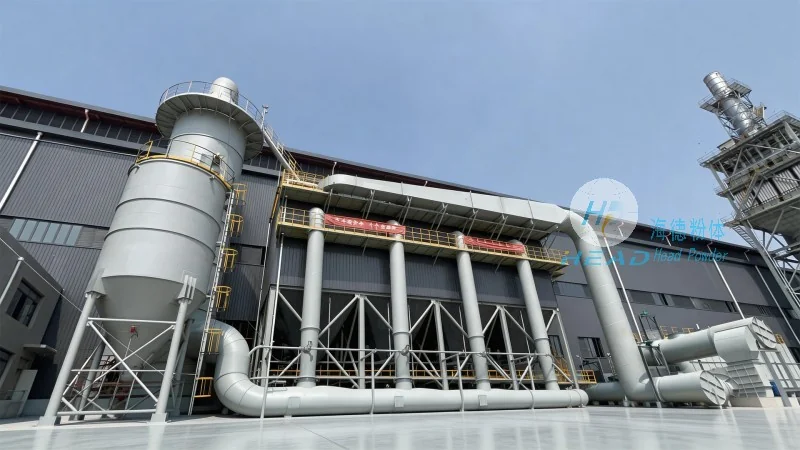
Core Principles of Pneumatic Conveying for Desulfurizer Powders
The fundamental principle behind desulfurizer powder pneumatic conveying is the use of air as the conveying medium. The system typically operates by creating a pressure differential between the material source and the destination. Air is introduced into the conveying line, either by a positive pressure blower or a vacuum system, to move the powder particles. The velocity of the air stream is carefully controlled to ensure that the powder remains suspended and transported without clogging or degradation. Key components include the material hopper, conveying pipes, air supply units, and control systems that regulate the flow and pressure. The selection of the conveying method—such as dilute phase or dense phase—depends on the characteristics of the desulfurizer powder, including particle size, moisture content, and flowability. Dilute phase systems are commonly used for long-distance transport at higher velocities, while dense phase systems are preferred for short distances or when handling more cohesive powders, as they provide better control over particle movement and reduce the risk of degradation.
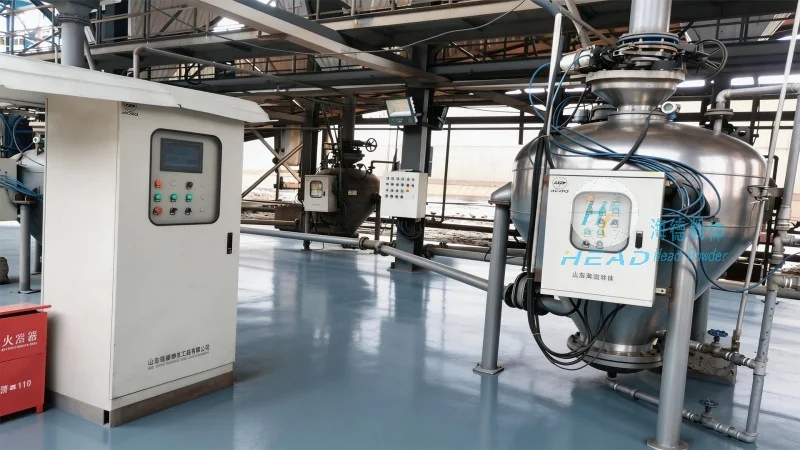
Working Scene Characteristics and Applications
Desulfurizer powder pneumatic conveying lines are deployed in various industrial scenarios, each with distinct operational requirements. In power plants, these systems are integral to the FGD process, where large quantities of desulfurizer powders are needed to neutralize sulfur dioxide emissions. The working scene typically involves continuous operation, with the conveying line integrated into the overall plant infrastructure. The system must handle high throughput rates, often several tons per hour, and maintain consistent material flow to ensure the desulfurization process runs smoothly. In chemical manufacturing facilities, similar systems are used to transport alkaline powders for various chemical reactions, where precise dosing and uniform mixing are critical. The working environment may involve high temperatures or corrosive conditions, requiring the use of specialized materials for the conveying components, such as stainless steel or corrosion-resistant alloys, to ensure durability and longevity.
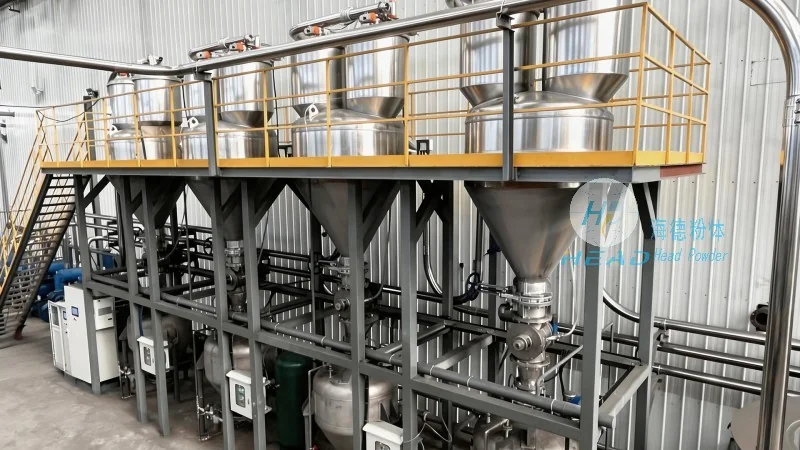
Key Features and Advantages of HeadPowder's Solutions
Shandong HeadPowder Engineering Co., Ltd. specializes in designing and manufacturing advanced desulfurizer powder pneumatic conveying lines tailored to the needs of industrial clients. Our solutions are engineered to optimize material transport efficiency while minimizing operational costs and maintenance requirements. Key features include robust material handling components, such as high-capacity hoppers with integrated feeding mechanisms, and durable conveying pipes designed to withstand the abrasive nature of desulfurizer powders. The air supply units are equipped with advanced control systems that monitor pressure, flow, and temperature, ensuring optimal performance and preventing system failures. Our systems are also designed for easy integration into existing industrial setups, with modular components that allow for flexible configuration and future expansion. The use of high-quality materials and precision engineering ensures that our conveying lines provide long-term reliability and consistent performance, even under demanding operational conditions.
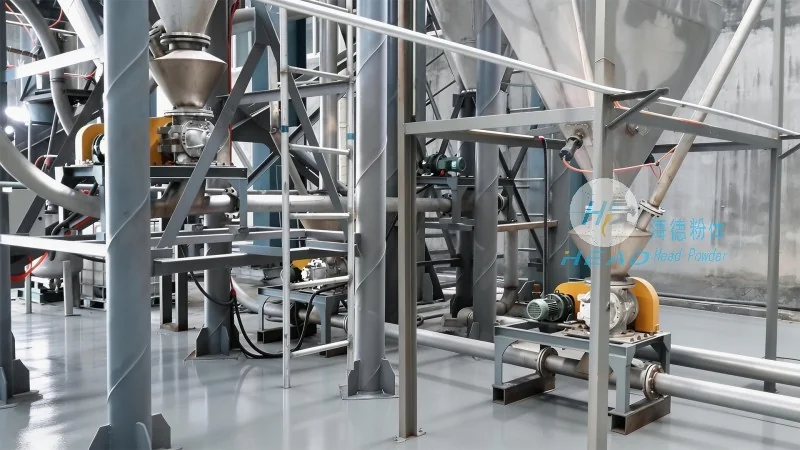
Operational Considerations and Best Practices
When implementing desulfurizer powder pneumatic conveying lines, several operational considerations are crucial for maintaining efficiency and preventing issues. Proper material preparation is essential, as the presence of moisture or agglomerates can affect the conveying performance. Pre-drying or pre-screening processes may be required to improve the flowability of the powder. Regular maintenance of the system components, including cleaning of the conveying pipes and replacement of worn parts, is vital to prevent clogging and ensure consistent operation. Monitoring the air pressure and flow rates in real-time allows operators to detect any deviations and take corrective actions promptly. Additionally, the system should be designed with safety features, such as pressure relief valves and emergency shut-off mechanisms, to protect against potential hazards. By adhering to these best practices, industrial facilities can maximize the performance and lifespan of their desulfurizer powder pneumatic conveying lines, ensuring reliable operation and compliance with environmental regulations.