

Principle and Working Scene Characteristics of Positive Electrode Material Powder Pneumatic Conveyin
Positive electrode material powder pneumatic conveying lines are critical systems in the battery manufacturing industry, designed to efficiently transport fine powders such as lithium iron phosphate, lithium nickel manganese cobalt oxide, and other active materials. These systems play a vital role in ensuring the smooth operation of production lines, from raw material handling to final product assembly. The following content will explore the fundamental principles behind these systems and the key characteristics of their working environments.
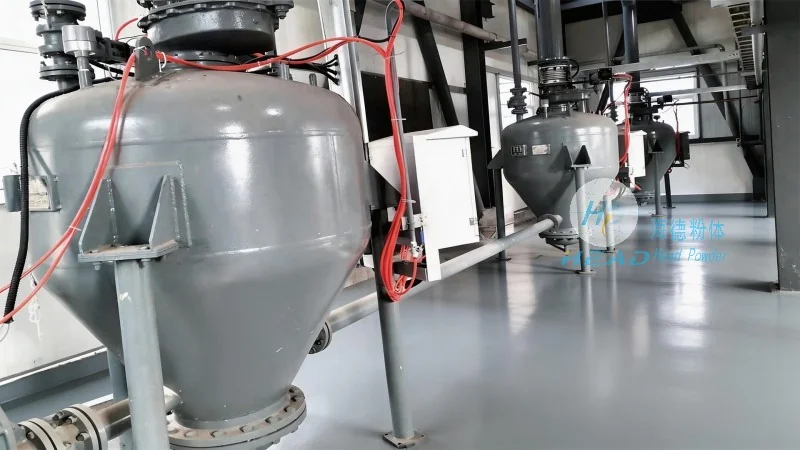
Principle of Positive Electrode Material Powder Pneumatic Conveying
The core principle of a positive electrode material powder pneumatic conveying line is the use of air or gas to transport solid particles through a pipeline. This method, known as pneumatic conveying, relies on the generation of pressure or vacuum to move the powder. There are two main types of pneumatic conveying systems: pressure conveying and vacuum conveying. Pressure conveying uses compressed air to push the powder through the pipeline, while vacuum conveying employs a vacuum pump to draw the powder into the system. For positive electrode materials, which often require gentle handling to prevent agglomeration and particle damage, pressure conveying is commonly preferred due to its ability to control the flow rate and reduce particle impact.
In a typical pressure conveying system, the process begins with the material being fed into a hopper or feeder. The feeder then discharges the powder into a pipeline, where it is mixed with compressed air. The air-powder mixture travels through the pipeline to the destination point, such as a mixer or a storage silo. At the receiving end, a separator or cyclone separates the powder from the air, allowing the powder to be collected while the air is either recirculated or discharged. The design of the conveying line, including the type of feeder, the diameter and length of the pipeline, and the placement of the separator, is crucial for optimizing the conveying efficiency and minimizing material loss or degradation.
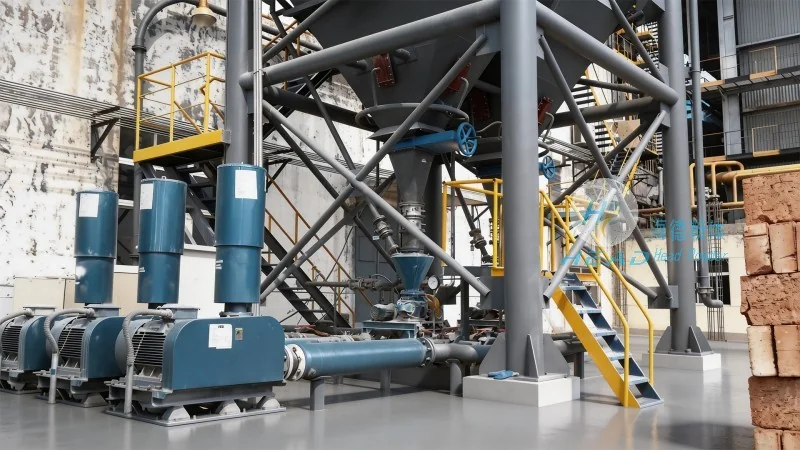
Working Scene Characteristics of Positive Electrode Material Powder Pneumatic Conveying Lines
The working environment of positive electrode material powder pneumatic conveying lines is characterized by several key factors that influence system performance and operational efficiency. First, the materials being conveyed are often fine powders with specific particle sizes and moisture content. These properties affect the flowability and dust generation during transport. For example, lithium iron phosphate (LFP) powders, which are commonly used in electric vehicle batteries, have a relatively coarse particle size but can still generate significant dust if not handled properly. The conveying system must be designed to minimize dust exposure while maintaining efficient material transport.
Second, the production environment is typically clean and controlled, as battery manufacturing requires stringent quality standards. The pneumatic conveying line must be equipped with dust collection systems, such as bag filters or cyclones, to prevent airborne contamination and ensure a safe working environment. Additionally, the system may need to be integrated with other production equipment, such as mixers, granulators, or coating machines, to form a seamless production line. This integration requires careful coordination of the conveying speed, pressure, and material flow to avoid bottlenecks or material accumulation.
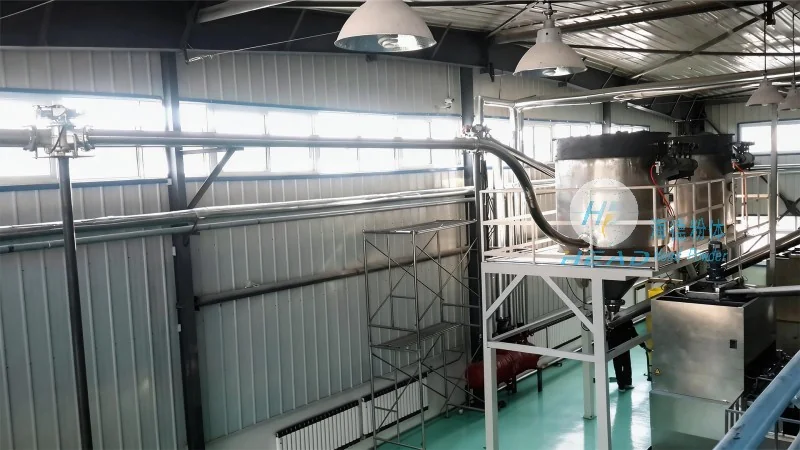
Third, the working scene is often characterized by high throughput requirements. Battery manufacturers need to process large volumes of positive electrode materials to meet production demands. The pneumatic conveying line must be capable of handling high material flow rates without compromising the quality of the material. This may involve using multiple pipelines or increasing the diameter of the main pipeline to ensure sufficient capacity. The system's efficiency is also critical, as downtime or material loss can significantly impact production costs and output.
Company Introduction: Shandong HeadPowder Engineering Co., Ltd.
Shandong HeadPowder Engineering Co., Ltd., commonly known as HeadPowder, is a leading manufacturer of advanced powder handling systems, including positive electrode material powder pneumatic conveying lines. With headquarters in Shandong, China, HeadPowder specializes in designing and manufacturing customized solutions tailored to the specific needs of the battery industry. The company's expertise lies in understanding the unique challenges of handling fine powders, such as agglomeration, dust control, and material degradation, and developing innovative solutions to address these issues.
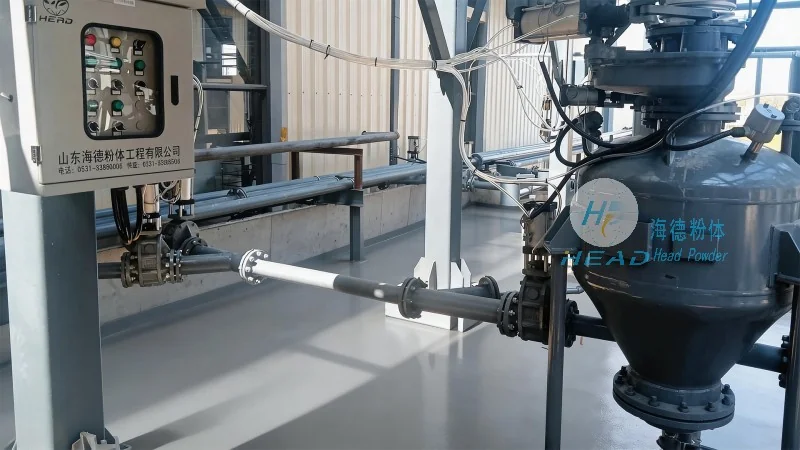
HeadPowder's positive electrode material powder pneumatic conveying lines are engineered to meet the highest standards of efficiency, reliability, and safety. The systems are designed with components that are resistant to corrosion and wear, ensuring long-term performance in harsh production environments. The company also provides comprehensive after-sales support, including installation, maintenance, and technical assistance, to ensure that customers can maximize the lifespan and productivity of their equipment.
By leveraging advanced engineering and manufacturing capabilities, HeadPowder has established itself as a trusted partner in the battery manufacturing sector. The company's commitment to quality and innovation has enabled it to deliver solutions that help manufacturers improve their production processes, reduce costs, and enhance product quality. With a focus on customer satisfaction and continuous improvement, HeadPowder remains at the forefront of the powder handling industry, providing cutting-edge technology to meet the evolving needs of the battery market.