

Principle and Working Scene Characteristics of Alumina Crystal Powder Pneumatic Conveying Machine
Alumina crystal powder pneumatic conveying machines represent a sophisticated solution for the efficient handling and transportation of alumina crystals in industrial settings. As a key component in material processing, these machines are designed to optimize the flow of fine powders while ensuring minimal product degradation and operational efficiency. This article delves into the underlying principles of such equipment and highlights the specific working scene characteristics that define their effectiveness in real-world applications.
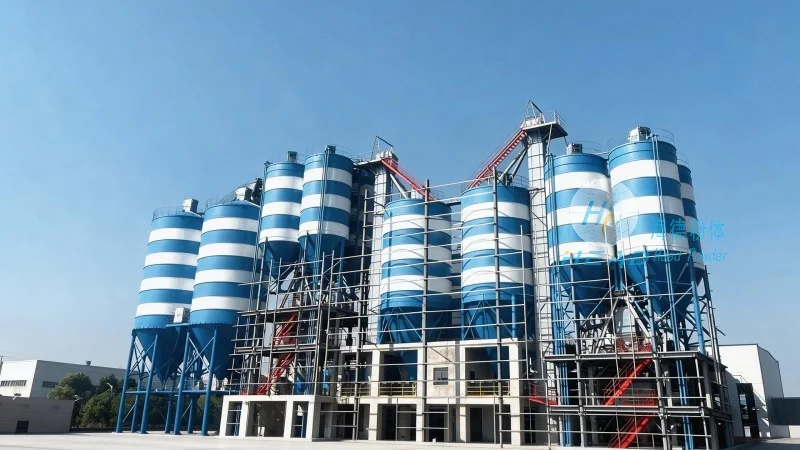
Introduction to Alumina Crystal Powder Pneumatic Conveying
At the core of alumina crystal powder pneumatic conveying systems lies the fundamental principle of using air as a medium to transport solid particles. This technology, commonly known as pneumatic conveying, leverages the force of compressed air to move powders through a pipeline network. The process involves creating a pressure differential between the source and destination points, which propels the material along the conveying line. For alumina crystals, which are often used in high-value applications like ceramics, electronics, and refractory materials, the efficiency of this system is critical to maintaining product quality and reducing operational costs.
Key Working Scene Characteristics
The effectiveness of alumina crystal powder pneumatic conveying machines is heavily influenced by several working scene characteristics that are tailored to the specific needs of industrial operations. These characteristics include:
1. **Material Handling Capacity**: The machine's design allows for the transportation of varying quantities of alumina crystals, from small batches to large-scale production runs. This adaptability is essential for facilities that require flexible material handling solutions.
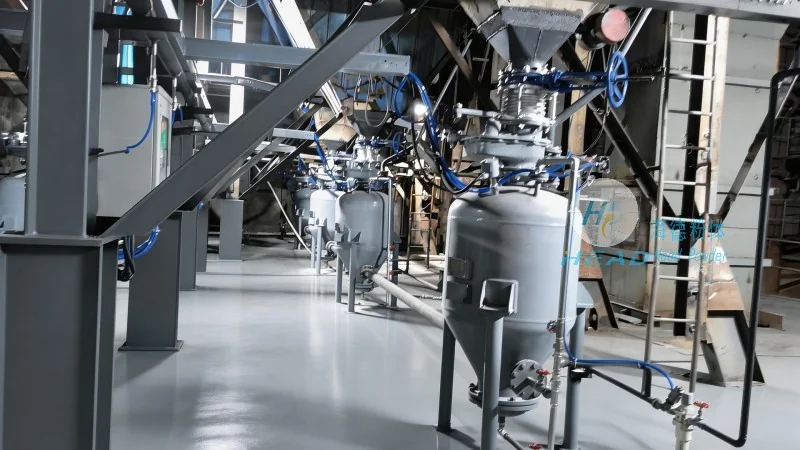
2. **Process Integration**: These systems are often integrated into larger production lines, where they connect different processing stages such as crushing, grinding, and packaging. The seamless integration ensures a continuous flow of materials without interruptions, enhancing overall productivity.
3. **Environmental Control**: In environments where dust control is paramount, pneumatic conveying machines offer enclosed systems that minimize the release of fine particles into the air. This is particularly important for alumina crystals, which can be hazardous if inhaled or cause contamination in other processes.
4. **Energy Efficiency**: Modern designs focus on optimizing energy consumption by using efficient air compressors and reducing pressure losses in the conveying lines. This not only lowers operational costs but also aligns with sustainability goals in industrial operations.
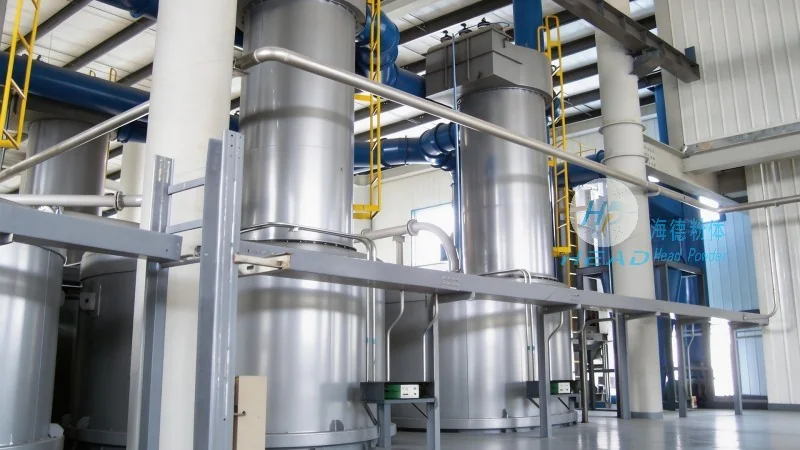
Company Overview: Shandong HeadPowder Engineering Co., Ltd.
HeadPowder, or Shandong HeadPowder Engineering Co., Ltd., is a leading manufacturer specializing in the design and production of advanced material handling equipment. With a strong presence in China, particularly in Shandong province, the company has built a reputation for delivering high-quality solutions tailored to the needs of the alumina and other fine powder industries. Their expertise lies in developing customized pneumatic conveying systems that meet the unique requirements of each client, ensuring optimal performance and reliability.
Application Scenarios
Alumina crystal powder pneumatic conveying machines are widely used in various industrial applications, including:
1. **Ceramic Manufacturing**: In the production of ceramic products, alumina crystals are used as raw materials. The pneumatic conveying system ensures a consistent supply of high-purity alumina to the production line, which is crucial for maintaining product quality and reducing defects.
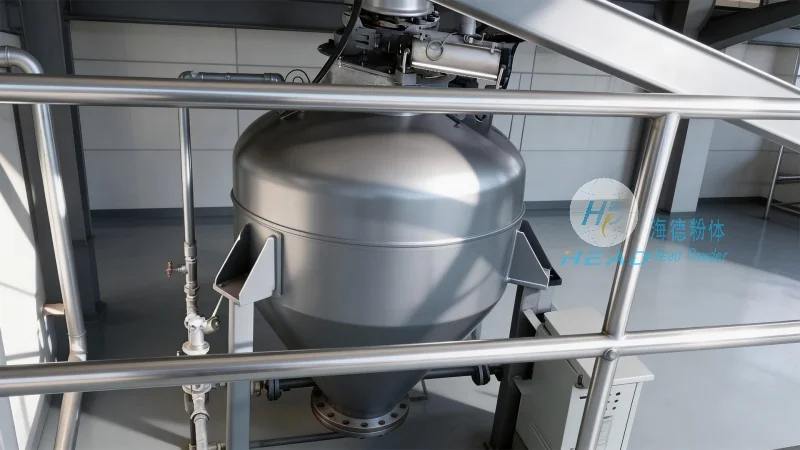
2. **Electronics Industry**: For the manufacturing of electronic components, such as capacitors and semiconductors, the purity and consistency of alumina are critical. The machine's ability to handle fine powders without contamination makes it an ideal choice for these applications.
3. **Refractory Production**: In the production of refractory materials, alumina crystals are used as a key ingredient. The efficient transportation of these powders helps in reducing production time and improving the overall quality of the final refractory products.
Conclusion
Alumina crystal powder pneumatic conveying machines are essential equipment for industries that rely on the efficient handling of fine powders. By understanding the underlying principles and working scene characteristics, businesses can make informed decisions about implementing these systems to enhance their operational efficiency and product quality. With companies like Shandong HeadPowder Engineering Co., Ltd. providing specialized solutions, the adoption of such technology continues to grow, supporting the needs of modern industrial processes.