

[Pneumatic Conveying of Algae Residue Pellets: Principles and Application Scenarios]
Algae residue, a byproduct of various bioprocesses, often requires efficient and reliable transport methods for processing or disposal. Pneumatic conveying has emerged as a key technology for handling these granular materials, offering advantages such as low maintenance, flexibility, and the ability to transport materials over long distances without the need for mechanical components. This article explores the fundamental principles of pneumatic conveying applied to algae residue pellets and highlights the operational characteristics of such systems in practical applications.
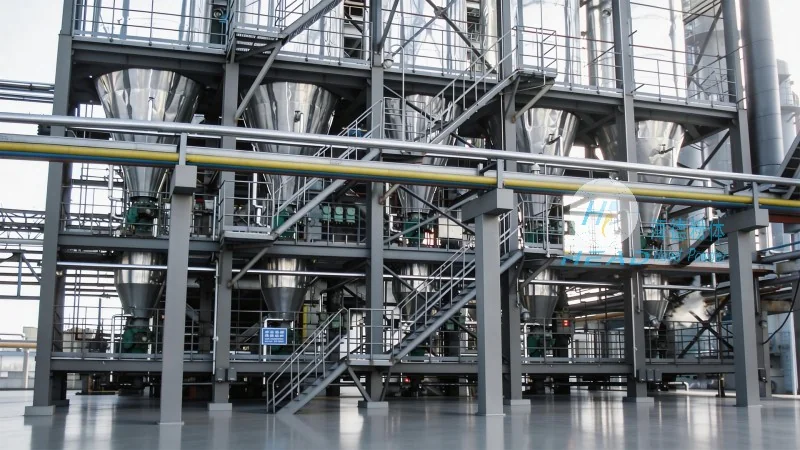
Principles of Pneumatic Conveying for Algae Residue Pellets
Pneumatic conveying systems operate by using a gas stream, typically air or a combination of air and other gases, to transport solid particles through a pipeline. The core principle involves creating a pressure differential that propels the material forward. There are two primary modes of pneumatic conveying: dilute-phase and dense-phase. Dilute-phase systems use higher velocities and lower particle concentrations, suitable for short to medium distances, while dense-phase systems employ lower velocities and higher particle concentrations, ideal for long-distance or high-density transport. For algae residue pellets, which often have irregular shapes and varying sizes, the choice of conveying mode depends on the specific material properties and the desired transport efficiency.
The process begins with the material being fed into the system, usually via a feeder or hopper, which ensures a consistent flow rate. The feeder may be a rotary valve, screw feeder, or other device designed to handle the granular nature of the algae residue. As the material enters the pipeline, it is entrained by the high-velocity gas stream, which carries the particles along the path. The gas velocity must be sufficient to overcome the gravitational and frictional forces acting on the particles, ensuring stable transport. At the receiving end, a separator or cyclone is used to separate the material from the gas, allowing the pellets to be deposited in a designated container. The separated gas is then typically recycled back into the system to improve energy efficiency.
Key Components of Pneumatic Conveying Systems
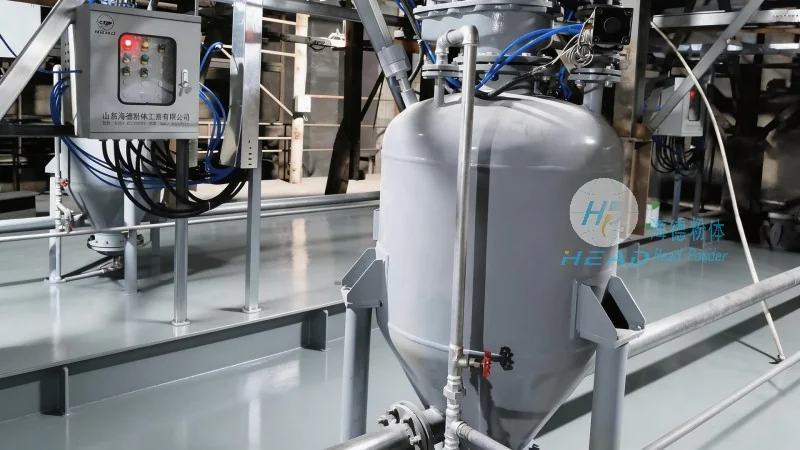
Effective pneumatic conveying of algae residue pellets relies on several critical components that work in tandem to ensure optimal performance. These components include the feeder, which controls the material input; the pipeline, which provides the path for transport; the air compressor or blower, which generates the necessary gas flow; the separator, which separates the material from the gas; and the control system, which monitors and adjusts the operation parameters. Each component must be selected based on the specific characteristics of the algae residue, such as particle size distribution, moisture content, and bulk density. For example, a rotary valve feeder is often preferred for its ability to handle a wide range of particle sizes and its low maintenance requirements, while a cyclone separator is effective for separating fine particles from the gas stream.
Operational Characteristics and Application Scenarios
The operational characteristics of pneumatic conveying systems for algae residue pellets vary significantly based on the application. In industrial settings, such as biorefineries or waste management facilities, these systems are used to transport algae residue from processing units to storage or further treatment facilities. The key operational characteristics include the ability to handle high volumes of material, maintain consistent flow rates, and minimize material degradation during transport. For example, in a large-scale algae cultivation facility, a pneumatic conveying system may be used to move thousands of tons of residue annually, requiring robust components that can withstand continuous operation and varying material conditions.
In addition to industrial applications, pneumatic conveying is also used in research and development settings to transport algae residue for testing and analysis. These systems may be designed for smaller scale operations, with adjustable parameters to study the effects of different gas velocities, particle sizes, and moisture levels on transport efficiency. The flexibility of pneumatic conveying systems makes them suitable for a wide range of scenarios, from short-distance transport within a facility to long-distance transport between different locations.
HeadPowder Engineering's Expertise in Pneumatic Conveying Solutions
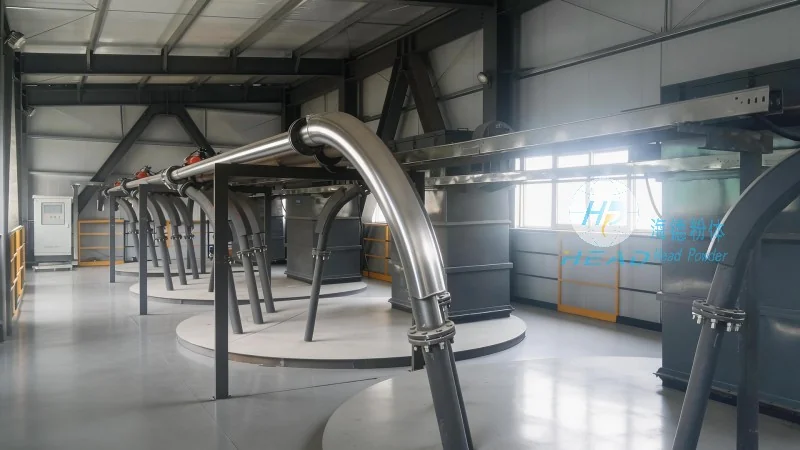
Shandong HeadPowder Engineering Co., Ltd., a leading provider of engineering solutions for material handling, specializes in designing and implementing pneumatic conveying systems tailored to the unique needs of clients handling algae residue pellets. With years of experience in the field, HeadPowder has developed a deep understanding of the challenges associated with transporting these granular materials, including the impact of moisture content, particle size variability, and system integration. The company's approach involves a comprehensive analysis of the client's requirements, including the volume of material to be transported, the distance, and the desired operational efficiency. Based in China, Shandong HeadPowder Engineering Co., Ltd. leverages advanced technology and engineering expertise to deliver customized solutions that meet the specific demands of each project.
HeadPowder's team of engineers works closely with clients to design systems that optimize performance while minimizing costs and maintenance. The company's solutions often include advanced control systems that monitor key parameters such as pressure, flow rate, and particle concentration in real-time, allowing for immediate adjustments to maintain optimal operation. This proactive approach ensures that the pneumatic conveying systems operate efficiently and reliably, even under varying material conditions. By focusing on the specific requirements of each client, HeadPowder provides tailored solutions that enhance the overall efficiency of algae residue handling processes.
Conclusion
Pneumatic conveying represents a highly effective method for transporting algae residue pellets, offering advantages in terms of efficiency, flexibility, and low maintenance. The principles and operational characteristics of such systems are critical to their successful implementation in various applications. Companies like Shandong HeadPowder Engineering Co., Ltd. play a vital role in designing and implementing these systems, ensuring that clients can handle their algae residue efficiently and sustainably. As the demand for efficient material handling solutions in the bioprocessing industry continues to grow, pneumatic conveying remains a key technology for optimizing the transport of algae residue pellets and supporting the broader goals of resource recovery and waste management.