

Principles and Working Scene Characteristics of Pneumatic Conveying Systems for Pharmaceutical Mater
HeadPowder, a leading engineering firm based in Shandong, China, specializes in the design, installation, and optimization of pneumatic conveying systems tailored for pharmaceutical material handling. This article delves into the fundamental principles behind these systems and highlights the key characteristics of their operational environments, providing a comprehensive overview for industry professionals seeking efficient and reliable material transport solutions.
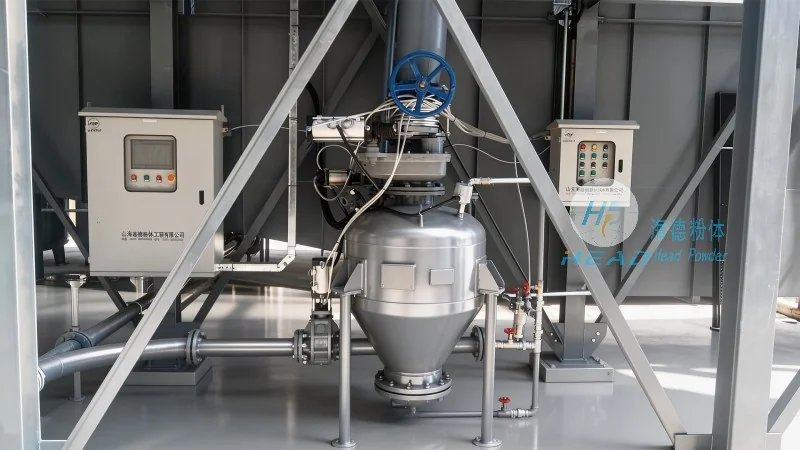
Understanding Pneumatic Conveying: Core Principles
Pneumatic conveying systems utilize air or other gases to transport bulk materials, such as powders and granules, from one location to another within a processing facility. The core principle revolves around creating a pressure differential that propels the material through a pipeline. There are two primary types of pneumatic conveying: dilute-phase and dense-phase. Dilute-phase systems operate at low pressure, using high-velocity air to suspend and move particles, while dense-phase systems employ higher pressure and lower velocity to transport material in a more compact, slug-like manner. The choice between these systems depends on factors like material properties, distance, and required flow rate. For pharmaceutical applications, where material purity and containment are paramount, dense-phase systems are often preferred due to their ability to minimize product degradation and prevent contamination from external particles.
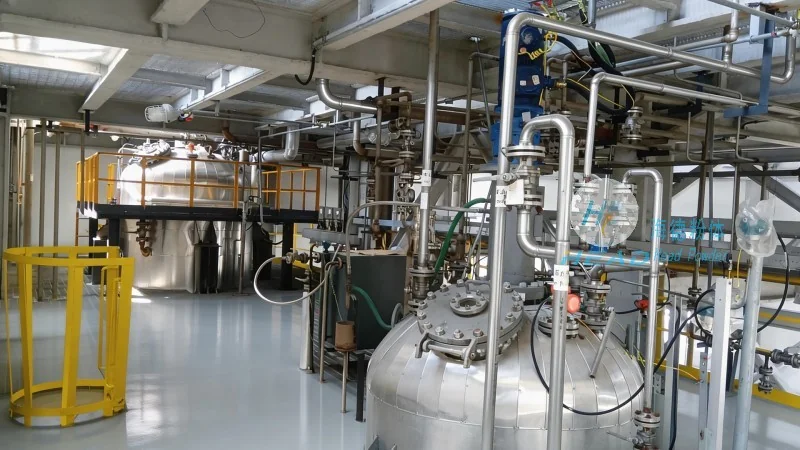
Key Working Scene Characteristics of Pharmaceutical Pneumatic Conveying
The operational environments for pharmaceutical pneumatic conveying systems are characterized by stringent regulatory requirements and high standards of cleanliness. These systems are typically integrated into GMP (Good Manufacturing Practice) compliant facilities, where every aspect of material handling must adhere to strict quality control measures. One of the most critical characteristics is the need for dust-free and particle-free air, as any contamination can compromise the integrity of the pharmaceutical product. Therefore, advanced filtration systems, such as HEPA filters, are commonly employed to ensure the air used in the conveying process meets the highest purity standards. Additionally, the systems are designed with enclosed pipelines and sealed connections to prevent cross-contamination between different product batches. Another key characteristic is the emphasis on energy efficiency and minimal product degradation. Pharmaceutical powders are often sensitive to temperature and moisture, so conveying systems are equipped with temperature control mechanisms and moisture-resistant materials to maintain product quality throughout the transport process. The working scenes also involve high automation levels, with integrated sensors and control systems that monitor flow rates, pressure, and material levels in real-time, ensuring smooth and uninterrupted operation. This automation not only enhances operational efficiency but also reduces the risk of human error, which is crucial in pharmaceutical manufacturing where precision is non-negotiable.
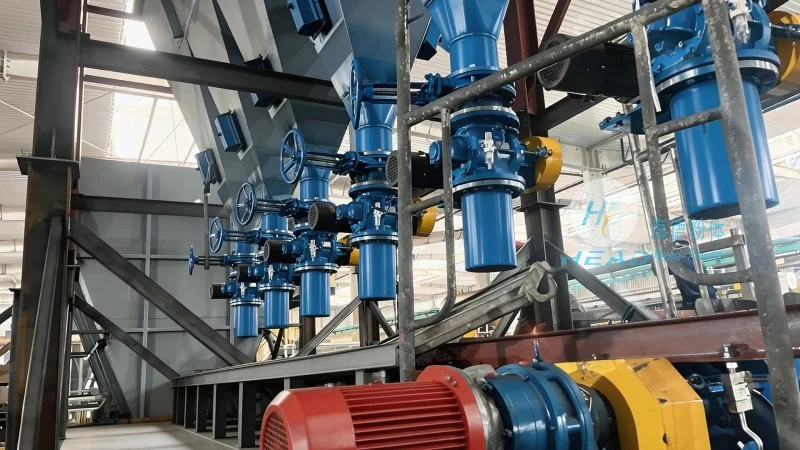
Application Scenarios and System Integration
Pneumatic conveying systems are widely used in various pharmaceutical processing stages, including raw material handling, intermediate product transport, and final product packaging. In raw material handling, these systems efficiently move raw powders from storage silos to processing lines, ensuring a continuous and controlled supply of materials. During intermediate processing, they transport finished powders or granules between different production units, such as from mixing to drying or from drying to packaging. The systems are also integral to final product packaging, where they deliver finished pharmaceutical products to filling lines or packaging machines. The integration of pneumatic conveying systems with other processing equipment, such as mixers, dryers, and granulators, is seamless, allowing for a streamlined production workflow. For example, a typical pharmaceutical manufacturing line might include a pneumatic conveying system that connects a granulation unit to a drying oven, ensuring that granules are transported without any loss or contamination. The flexibility of these systems allows them to adapt to different production scales, from small-scale batch production to large-scale continuous manufacturing. This adaptability makes them a versatile solution for pharmaceutical companies operating in diverse production environments.
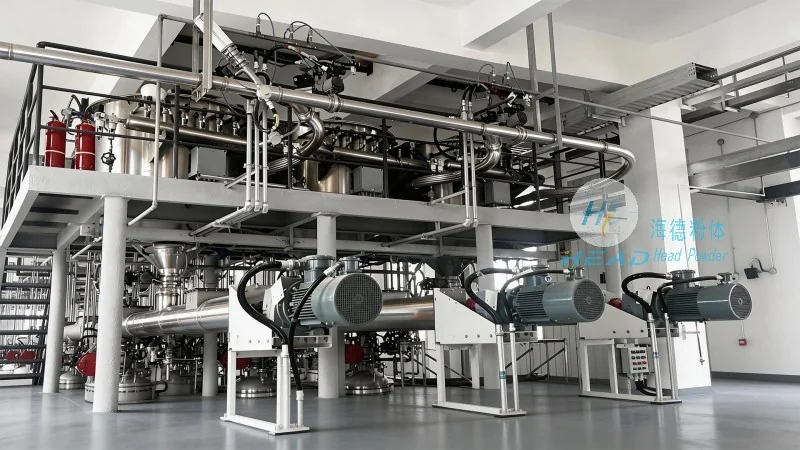
Advantages and Considerations for Pharmaceutical Pneumatic Conveying
Implementing pneumatic conveying systems in pharmaceutical manufacturing offers several advantages. Firstly, they provide a highly efficient and reliable method of material transport, reducing the need for manual handling and associated risks. This not only improves operational efficiency but also enhances workplace safety by minimizing exposure to hazardous materials. Secondly, the enclosed nature of these systems ensures complete containment, preventing dust and particles from entering the production environment and reducing the risk of cross-contamination. This is particularly important in pharmaceutical manufacturing, where product purity is a top priority. Thirdly, pneumatic conveying systems are capable of handling a wide range of materials, from fine powders to coarse granules, making them suitable for diverse pharmaceutical applications. However, there are also considerations to keep in mind when selecting and implementing such systems. One of the main challenges is the potential for material degradation due to friction and pressure changes during transport. To mitigate this, manufacturers use specialized materials for pipelines and components, such as stainless steel and PTFE, which are resistant to corrosion and wear. Another consideration is the energy consumption of the system, as high-pressure pneumatic systems can be energy-intensive. Modern systems incorporate energy-saving features, such as variable frequency drives (VFDs), to optimize air flow and reduce power usage. Additionally, the maintenance requirements of these systems need to be carefully managed to ensure continuous operation. Regular cleaning and inspection of pipelines and components are essential to prevent blockages and maintain system performance. Overall, when properly designed and maintained, pneumatic conveying systems offer a robust and efficient solution for pharmaceutical material handling, aligning with the stringent requirements of the industry.