

Principle and Working Scene Characteristics of a Gas-Pneumatic Conveying System for Algae Residue Gr
Shandong HeadPowder Engineering Co., Ltd., a leading provider of material handling solutions, specializes in the design and implementation of advanced gas-pneumatic conveying systems. Based in Shandong, China, the company leverages its expertise to address the unique challenges of transporting granular materials, particularly those derived from industrial processes like algae cultivation and processing. This article explores the fundamental principles behind such systems and highlights the key characteristics of their application in real-world working environments.
The Core Principle of Gas-Pneumatic Conveying
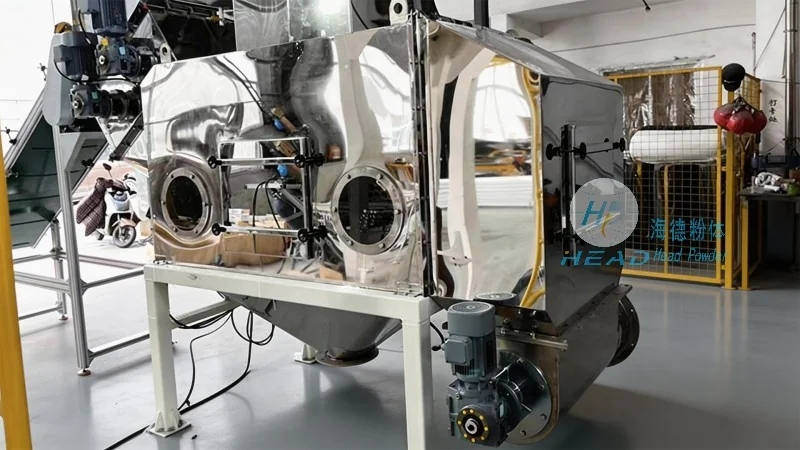
At its essence, a gas-pneumatic conveying system utilizes compressed air or gas to transport bulk materials through a pipeline network. The process can be categorized into two primary modes: pressure conveying and vacuum (or suction) conveying. For applications involving algae residue, which often presents as fine to medium-sized granules with varying moisture content, pressure conveying is frequently preferred due to its ability to handle higher material loads and overcome longer distances with consistent performance. The system typically consists of a material loading hopper, a rotary airlock valve to control material flow, a conveyor pipeline, and a discharge unit. Compressed air is introduced into the pipeline, creating a flow that propels the algae residue particles forward. The design of the system is tailored to match the specific physical properties of the algae residue, ensuring optimal air-to-material ratios for efficient transport without excessive energy consumption or material degradation.
Key Working Scene Characteristics
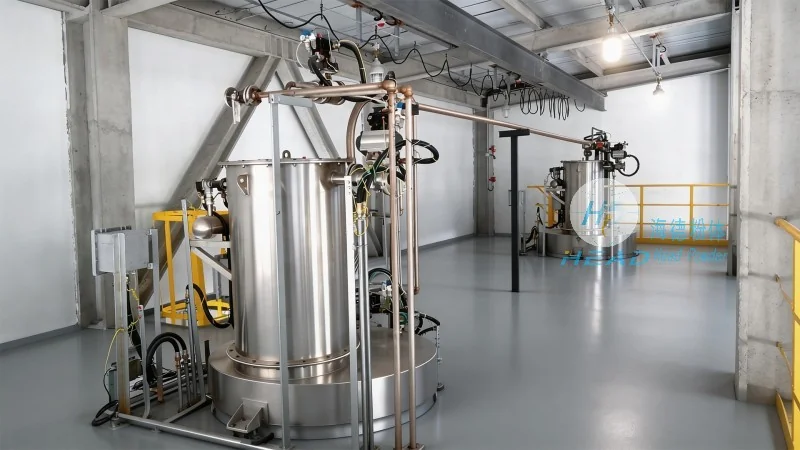
The effectiveness of a gas-pneumatic conveying system for algae residue is heavily influenced by the operational environment and the specific requirements of the application. Several key characteristics define its performance in real-world scenarios:
- Efficiency in Material Handling: The system offers a continuous, automated method for transporting large volumes of algae residue, reducing the need for manual handling and associated labor costs. This is particularly beneficial in industrial settings where consistent throughput is critical, such as in the production of biofuels or organic fertilizers.
- Environmental Considerations: By eliminating the use of mechanical components like belts or chains, the system minimizes wear and tear, reducing maintenance requirements and lowering the risk of material contamination. This is especially important when handling materials like algae residue, which may contain moisture or organic compounds that could degrade traditional conveyor systems.
- Space Optimization: Unlike traditional bulk handling equipment, gas-pneumatic conveyors can be installed in compact spaces, making them suitable for facilities with limited floor area. The flexible pipeline layout allows for easy integration into existing production lines or new installations, adapting to the spatial constraints of the working environment.
- Customization for Material Properties: The system can be customized to accommodate the varying characteristics of algae residue, including particle size distribution, moisture content, and bulk density. For example, adjustments to air pressure, pipeline diameter, and air-to-material ratio can be made to ensure smooth transport even when dealing with wet or sticky residues, which are common in algae processing.
Application Scenarios and Practical Implementation
Real-world applications of the gas-pneumatic conveying system for algae residue span across various industrial sectors, each presenting unique challenges and opportunities. In the context of biofuel production, the system is used to transport harvested algae from processing tanks to drying or extraction facilities, ensuring a steady supply of raw material. In the fertilizer industry, it facilitates the movement of processed algae residue to storage silos or packaging lines, supporting the production of organic fertilizers with high nutrient content. Additionally, in waste management and resource recovery operations, the system helps in the transfer of algae residue from treatment plants to disposal or recycling sites, contributing to more sustainable waste handling practices.
Conclusion and Company Expertise
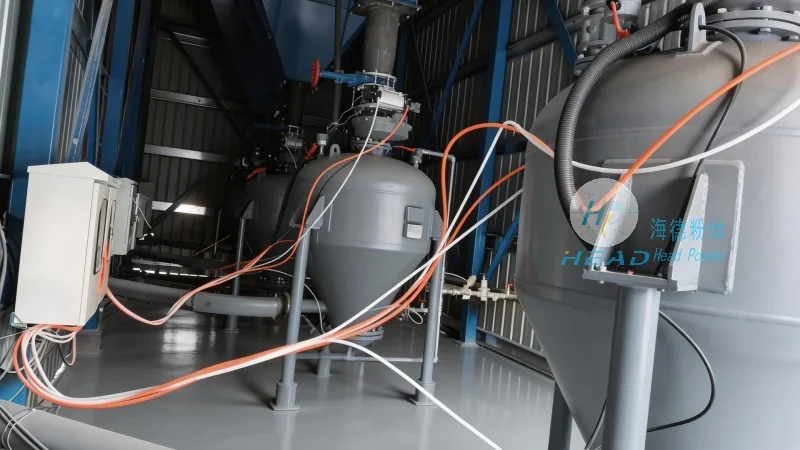
Shandong HeadPowder Engineering Co., Ltd. continues to innovate in the field of gas-pneumatic conveying technology, providing tailored solutions that meet the specific needs of clients handling algae residue and other granular materials. By focusing on the fundamental principles of material transport and adapting to the unique characteristics of each application, the company ensures that its systems deliver reliable, efficient, and environmentally friendly performance. For industries seeking to optimize their material handling processes while maintaining high standards of efficiency and sustainability, the gas-pneumatic conveying system for algae residue represents a robust and effective solution.