

Principle and Working Scene Characteristics of Lithium Iron Phosphate Material Pneumatic Conveying S
HeadPowder, a leading engineering company based in Shandong, China, specializes in the design and implementation of advanced material handling solutions. This article focuses on the principle and working scene characteristics of pneumatic conveying systems specifically for lithium iron phosphate (LFP) materials, a critical component in modern battery technology.
Principle of Pneumatic Conveying Systems for LFP Materials
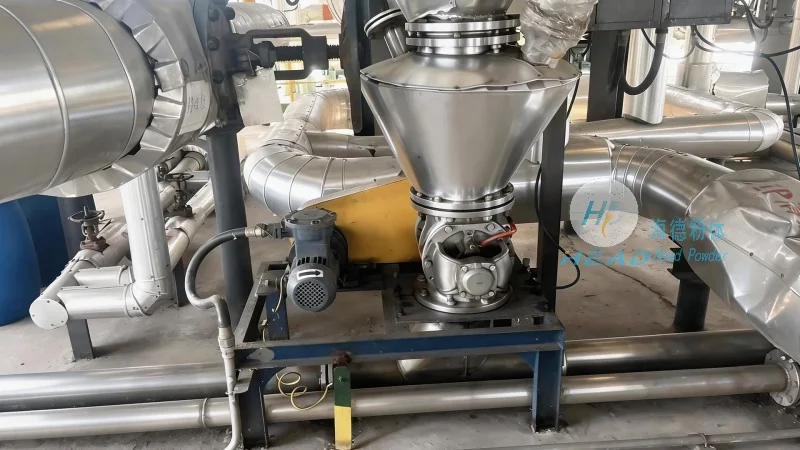
Pneumatic conveying systems utilize air or other gases to transport bulk materials like lithium iron phosphate powder. The core principle involves creating a pressure differential to move the material through a pipeline. There are two main types: pressure and vacuum systems. Pressure systems use compressed air to push the material, while vacuum systems create a negative pressure to draw the material. For LFP, which is often sensitive to moisture and particle size, the system design must ensure minimal material degradation and efficient transport. The system typically includes a hopper, feeder, conveying line, and a receiver. The hopper stores the LFP powder, the feeder controls the flow rate, the conveying line transports the material, and the receiver collects the material at the destination. The air flow rate and pressure are carefully controlled to maintain the material's integrity and ensure smooth operation.
Working Scene Characteristics of LFP Pneumatic Conveying Systems
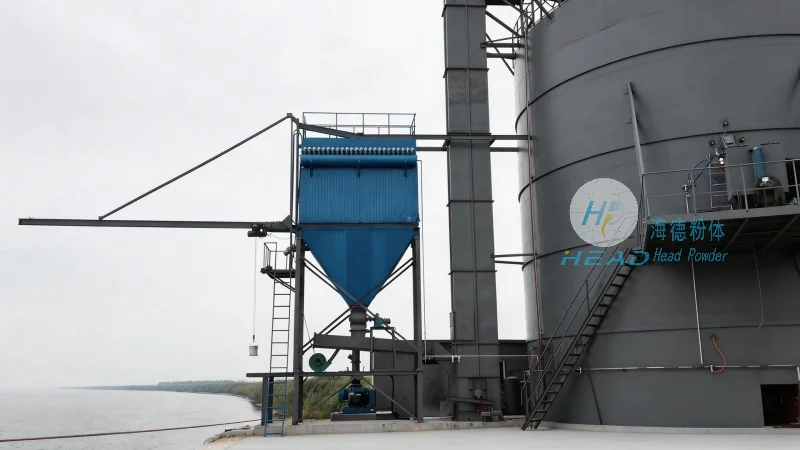
The working scene characteristics of these systems are tailored to the specific requirements of LFP material handling. LFP is known for its high purity and fine particle size, which makes it susceptible to agglomeration and moisture absorption. Therefore, the conveying system must be designed to minimize these issues. Key characteristics include: 1. Moisture Protection: The system incorporates sealed components to prevent moisture ingress, as LFP is hygroscopic and moisture can affect its performance. 2. Particle Size Control: The system uses appropriate feeder and pipeline designs to handle the fine LFP particles without causing blockages or excessive pressure drops. 3. Efficiency and Reliability: The system is engineered for high throughput and low maintenance, ensuring consistent material transport in industrial settings. 4. Environmental Considerations: The system may include dust collection and filtration to comply with environmental regulations, as LFP dust can be hazardous if not properly managed.
Application Scenarios and Benefits
Lithium iron phosphate (LFP) pneumatic conveying systems are widely used in various industrial applications, particularly in the battery manufacturing and material processing sectors. The primary benefits include: 1. Reduced Labor Costs: Automated material transport reduces the need for manual handling, improving safety and efficiency. 2. Space Efficiency: The system can be installed in confined spaces, making it suitable for facilities with limited floor area. 3. Process Integration: The system can be integrated with other production lines, such as mixing, drying, and packaging, to form a seamless material handling process. 4. Customization: The system can be customized to meet specific production requirements, including different material types, flow rates, and environmental conditions.
About HeadPowder Engineering
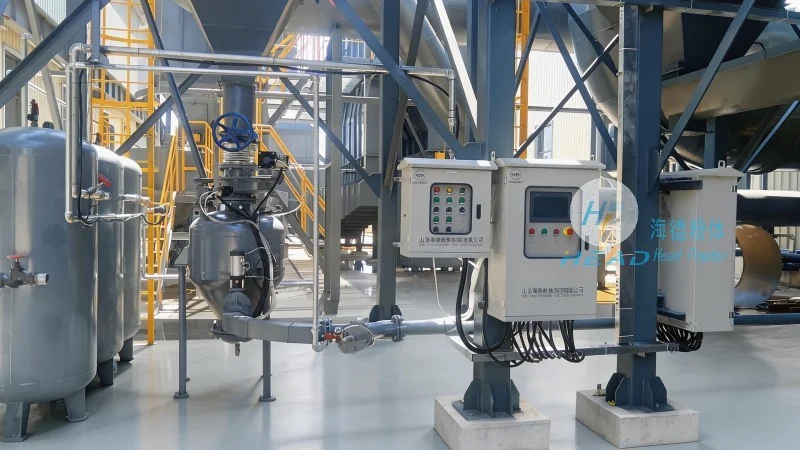
HeadPowder Engineering, with its headquarters in Shandong, China, is a professional provider of material handling solutions. The company specializes in designing and manufacturing pneumatic conveying systems for various industrial applications, including lithium iron phosphate material handling. With years of experience in the industry, HeadPowder has developed a reputation for delivering high-quality, reliable, and efficient systems that meet the specific needs of its clients. The company's team of engineers and technicians work closely with clients to understand their requirements and provide tailored solutions that enhance productivity and safety.