

Principle and Working Scenario Characteristics of a Gas-Pneumatic Conveying System for Zinc Oxide Su
HeadPowder, a leading engineering company based in Shandong, China, specializes in the design and implementation of advanced material handling solutions. The company's expertise lies in creating efficient and reliable systems for transporting various industrial materials, including zinc oxide substrate. This article delves into the fundamental principles and operational characteristics of a gas-pneumatic conveying system tailored for zinc oxide substrate, highlighting its practical applications and performance advantages.
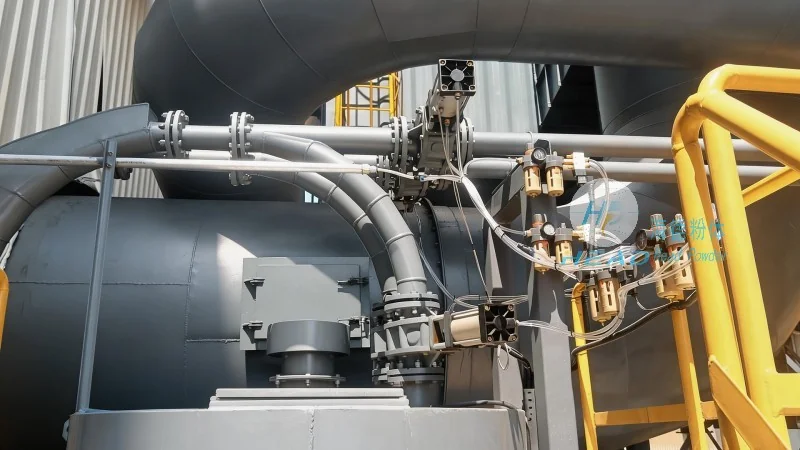
Company Overview: Shandong HeadPowder Engineering Co., Ltd.
HeadPowder, with its headquarters in Shandong, China, is a reputable engineering firm dedicated to providing innovative material handling technologies. The company focuses on developing customized solutions that meet the specific needs of clients in the chemical, pharmaceutical, and industrial sectors. By leveraging years of experience and technical expertise, HeadPowder ensures that its systems are not only efficient but also safe and compliant with industry standards. The company's commitment to quality and customer satisfaction has established it as a trusted partner in the material handling industry.
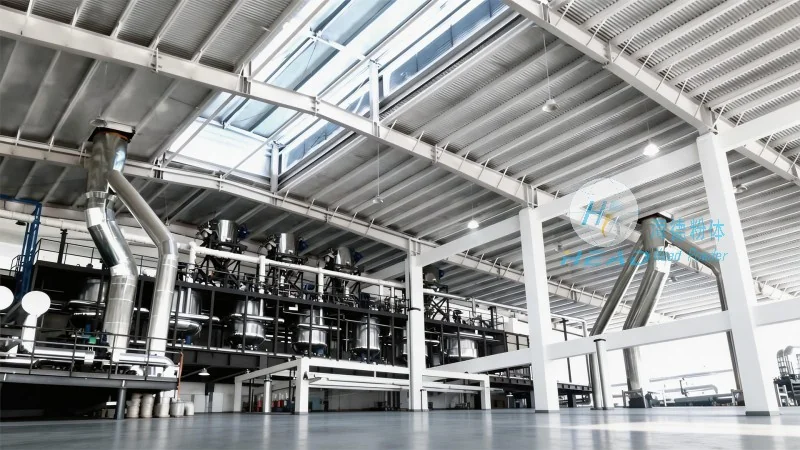
Overview of the Zinc Oxide Substrate Gas-Pneumatic Conveying System
The gas-pneumatic conveying system for zinc oxide substrate is a sophisticated technology designed to transport fine or bulk materials through a pipeline using compressed air or other gas streams. This system is particularly suitable for handling zinc oxide substrate due to its unique properties, such as its fine particle size and potential for dust generation. The system operates by creating a pressure differential between the inlet and outlet of the conveying line, which propels the material forward. Key components of the system include the hopper, feeder, conveying line, and receiver, each playing a critical role in the material's movement and handling.
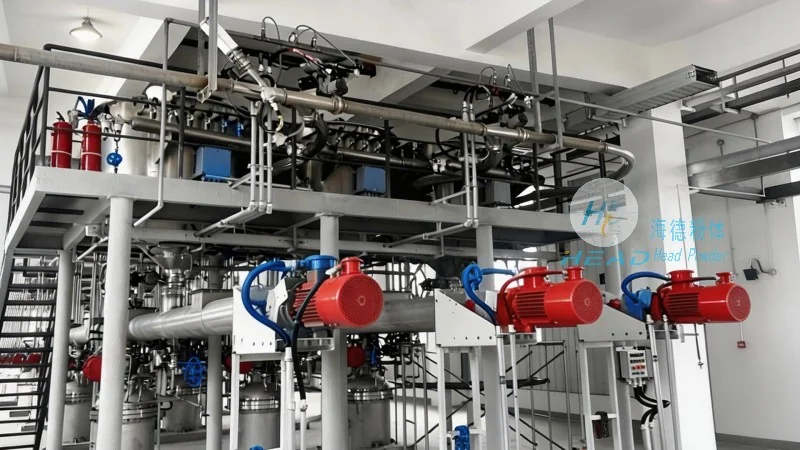
Principle of Operation
The core principle of the gas-pneumatic conveying system is the use of gas flow to transport material particles. When compressed air is introduced into the conveying line, it creates a low-pressure environment that draws the material from the hopper into the line. The material is then carried forward by the moving gas stream, which can be either positive or negative pressure, depending on the system design. The velocity of the gas and the size of the particles determine the conveying capacity and efficiency of the system. For zinc oxide substrate, the system is optimized to handle fine particles, ensuring minimal loss and maximum throughput. The design also incorporates features to prevent material degradation, such as abrasion or agglomeration, by using smooth pipelines and appropriate air flow rates.
Working Scenario Characteristics
The gas-pneumatic conveying system for zinc oxide substrate is particularly effective in various industrial settings, including chemical plants, pharmaceutical manufacturing facilities, and mining operations. The system's adaptability allows it to be integrated into existing production lines or used as a standalone solution for material transport. In chemical plants, the system is commonly used to transfer zinc oxide from storage silos to processing units, ensuring a continuous and controlled flow of material. In pharmaceutical applications, the system helps maintain a sterile environment by minimizing exposure to air and contaminants, which is crucial for the quality of the final product. The system's ability to handle fine particles also makes it suitable for applications where precision and consistency are paramount, such as in the production of zinc oxide-based coatings or pigments.
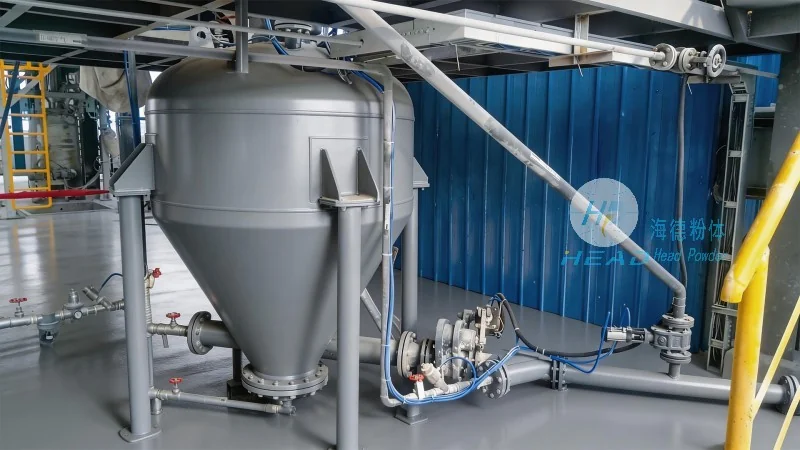
Advantages and Performance Benefits
Implementing a gas-pneumatic conveying system for zinc oxide substrate offers several advantages over traditional methods like belt conveyors or manual handling. The system provides a dust-free and enclosed environment, reducing the risk of material contamination and improving workplace safety. Additionally, the system is highly efficient in terms of energy consumption and operational costs, as it minimizes material loss and requires less maintenance compared to other transport methods. The flexibility of the system allows for easy adjustments to conveying rates and distances, making it suitable for various production scales. Furthermore, the system's ability to handle fine particles without degradation ensures that the material's quality is maintained throughout the transport process. These benefits make the gas-pneumatic conveying system an ideal choice for industries that require high-quality, consistent material handling solutions.