

Principle and Working Scene Characteristics of Barley Material Pneumatic Conveying Lines
Barley material pneumatic conveying lines represent a sophisticated technology used in the agricultural and food processing industries to transport barley grains efficiently and safely. These systems are designed to handle the unique characteristics of barley, such as its size, density, and moisture content, ensuring minimal product damage during transit. The core principle of pneumatic conveying involves using air to move materials through a pipeline, eliminating the need for mechanical components like belts or buckets that might cause contamination or wear. Shandong HeadPowder Engineering Co., Ltd., a leading provider of engineering solutions in China, specializes in designing and manufacturing such systems tailored to the specific needs of barley processing facilities.
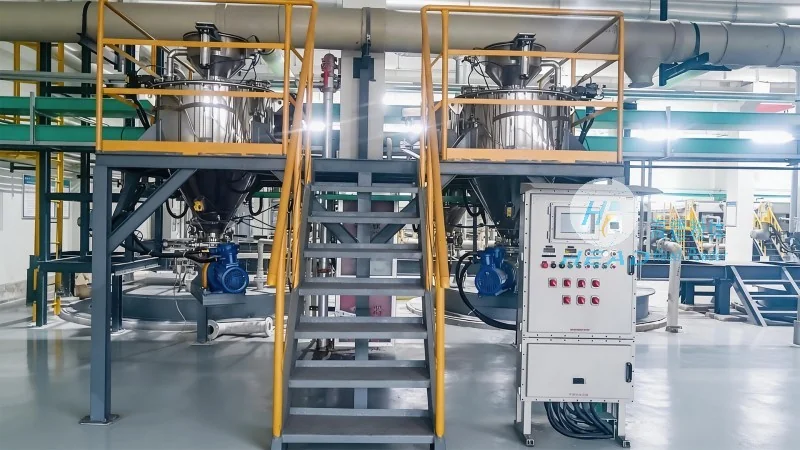
Working Principle of Pneumatic Conveying Lines
The fundamental mechanism of a pneumatic conveying line for barley involves creating a pressure differential between the inlet and outlet of the system. Air is introduced into the pipeline, either by a positive pressure blower or a vacuum pump, which propels the barley particles forward. The system typically includes a hopper for material storage, a feeder to control the flow rate, and a series of pipes with bends and elbows to direct the material to the destination. The design of the conveying line is critical to maintain the velocity of the air and material mixture, preventing clogging and ensuring consistent flow. For barley, which is relatively light and has a tendency to clump, specialized equipment like rotary valves and airlocks is often employed to maintain a uniform flow and prevent blockages.
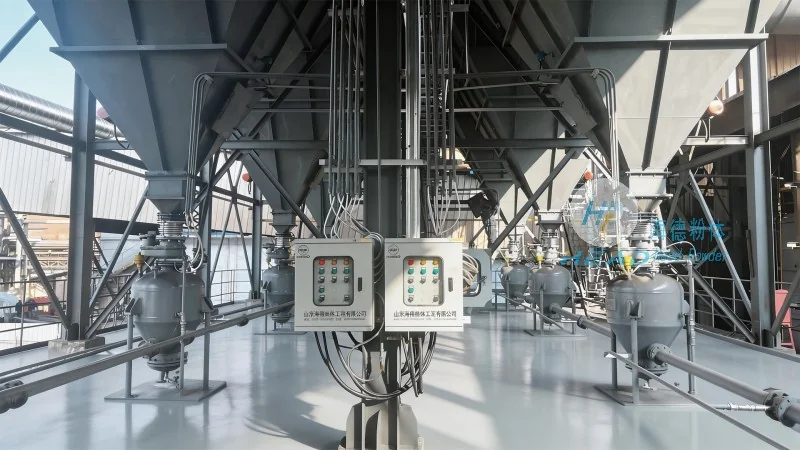
Key Components and Their Functions
Several key components work together to ensure the smooth operation of a barley material pneumatic conveying line. The hopper serves as the storage vessel, holding the raw barley before it is fed into the system. The feeder, often a rotary or vibratory type, regulates the amount of material released into the pipeline, controlling the flow rate to match the system's capacity. The blower or vacuum pump provides the necessary air pressure or suction to move the barley. The pipeline network, made of materials resistant to corrosion and abrasion (such as stainless steel or polyethylene), transports the material from the source to the destination. Additionally, filters and cyclones are used to separate the air from the material at the end of the line, allowing the barley to be collected while the air is recycled or vented. These components are carefully selected and sized to handle the specific properties of barley, ensuring optimal performance and minimal maintenance.
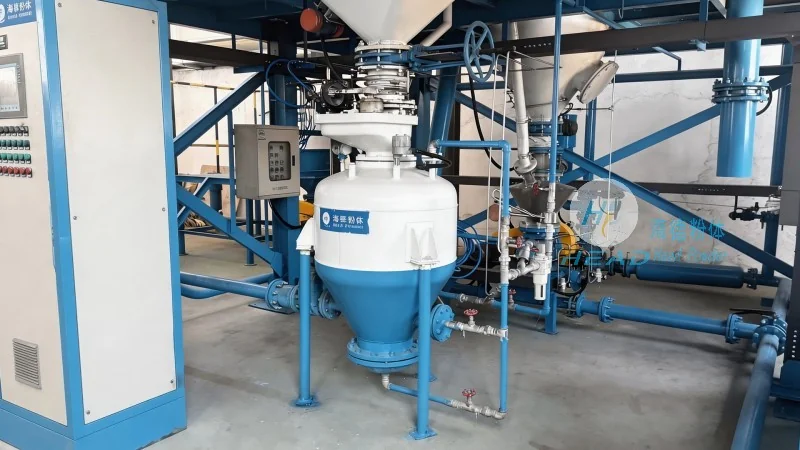
Working Scene Characteristics and Applications
The working scene characteristics of barley material pneumatic conveying lines vary based on the specific application and operational environment. In grain elevators and storage facilities, these systems are used to transfer barley from storage silos to processing units or for bulk loading into trucks or ships. The high capacity and low maintenance requirements make them ideal for large-scale operations. In food processing plants, the systems are employed to move barley to milling or malting equipment, where it is processed into flour or used in brewing. The hygienic design of the equipment, with smooth surfaces and easy-to-clean components, is crucial in food processing applications to meet regulatory standards. Additionally, the flexibility of pneumatic conveying allows for multiple destinations from a single source, making it suitable for complex production lines where barley needs to be routed to different processing stages. The systems are also used in agricultural settings, such as on-farm storage and distribution, where they help in moving harvested barley from fields to storage facilities efficiently.
Advantages and Benefits of Using Pneumatic Conveying Lines for Barley
Implementing a pneumatic conveying line for barley offers several advantages over traditional mechanical conveying methods. One of the primary benefits is the reduction in product damage, as the air flow minimizes friction and impact on the barley grains. This is particularly important for barley used in food and brewing applications, where the quality and integrity of the grain are critical. The systems also provide a hygienic and clean environment, as they are enclosed and sealed, preventing contamination from dust, insects, or other external factors. This is essential in food processing industries where compliance with health and safety regulations is mandatory. Another advantage is the ability to handle a wide range of barley types and sizes, including whole grains, cracked grains, or even malted barley, without the need for pre-processing. The systems are also energy-efficient, as they use less power compared to mechanical conveyors, leading to lower operational costs over time. Furthermore, the flexibility of the system allows for easy expansion or modification, making it suitable for growing businesses that may need to increase their processing capacity in the future.
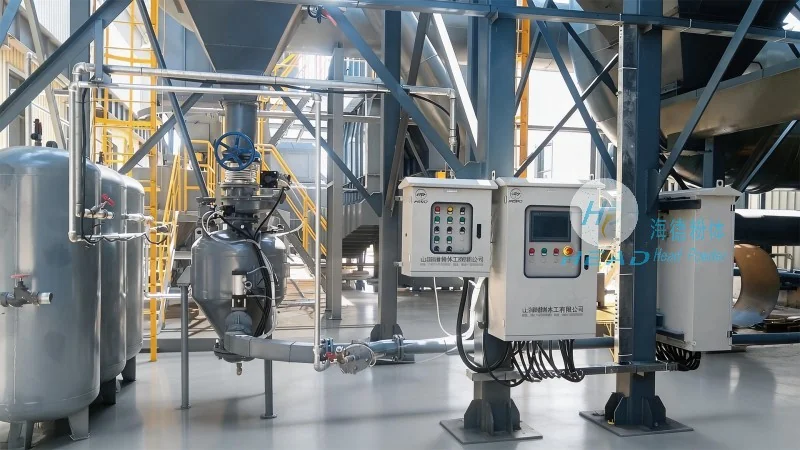
Case Study: Application in a Large-Scale Malting Plant
Shandong HeadPowder Engineering Co., Ltd. recently installed a pneumatic conveying line in a large-scale malting plant in China. The plant processes over 10,000 tons of barley annually, and the new system was designed to handle the high volume and ensure consistent quality. The system includes a 50-ton hopper, a high-capacity rotary feeder, and a stainless steel pipeline network with multiple bends and elbows. The blower used in the system is a positive pressure type, capable of generating a pressure of 0.8 bar, which is sufficient to move the barley at a velocity of 20 meters per second. The plant reported a significant reduction in product damage, from 5% to less than 1%, and a decrease in maintenance time by 30%. The system also allowed for better control over the flow rate, enabling the malting process to be optimized for different barley varieties. The success of this project highlights the effectiveness of pneumatic conveying lines in large-scale agricultural and food processing applications.