

Principle and Working Scene Characteristics of Aluminum Turnings Pneumatic Conveying Lines
Aluminum turnings, a common byproduct in metalworking and recycling processes, require efficient and reliable transport solutions to maintain production flow. Pneumatic conveying lines offer a sophisticated method for handling these lightweight, abrasive materials, ensuring minimal wear on equipment and maintaining product integrity. This article explores the fundamental principles behind pneumatic conveying systems designed for aluminum turnings, alongside key characteristics of their operational environments, as presented by Shandong HeadPowder Engineering Co., Ltd.
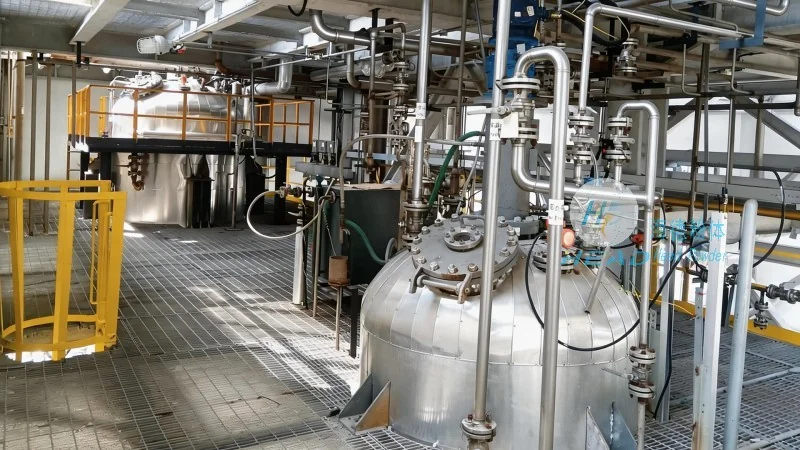
The Core Principle of Pneumatic Conveying for Aluminum Turnings
The primary principle of pneumatic conveying involves the use of air or gas to transport bulk materials through a pipeline. In the case of aluminum turnings, this system typically employs a positive pressure or negative pressure (vacuum) method to move the material from a source to a destination. The process begins with the material being introduced into a hopper or feeder, where it is then fed into the pipeline. Compressed air or a vacuum is applied to create the necessary flow, propelling the aluminum turnings through the system. This method is particularly effective for aluminum turnings due to their low density and the need to avoid mechanical contact that could cause oxidation or damage.
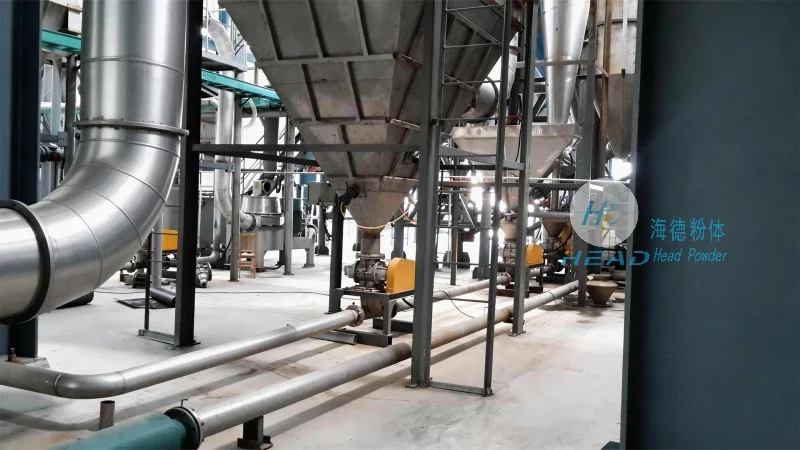
Key Working Scene Characteristics of Aluminum Turnings Pneumatic Conveying Lines
The operational environment of pneumatic conveying lines for aluminum turnings is defined by several critical characteristics that influence system design and performance. First, the material's properties—such as its lightweight nature, tendency to generate dust, and potential for oxidation—require specialized equipment to minimize degradation. For instance, the use of stainless steel or corrosion-resistant materials in the pipeline and components is essential to prevent rust and maintain material quality. Second, the system must be designed to handle varying particle sizes and flow rates, as aluminum turnings can range from fine powders to larger chunks. This variability necessitates adjustable feed mechanisms and variable speed controls to ensure consistent operation. Third, the need for dust control and environmental compliance is paramount. Pneumatic conveying systems often incorporate filtration and dust collection systems to prevent airborne particles from contaminating the workspace and to meet regulatory standards. Additionally, the system's layout and integration with existing production lines are crucial, as it must fit seamlessly into the overall workflow without disrupting other processes.
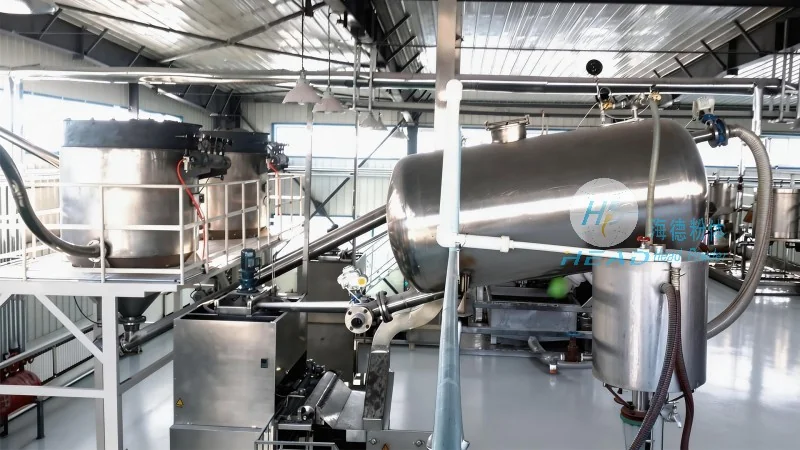
Applications and Industry Relevance
Pneumatic conveying lines for aluminum turnings find widespread application in various industrial settings, including metal recycling facilities, foundries, and automotive manufacturing plants. In metal recycling, these systems are used to transport aluminum turnings from sorting and grinding operations to melting furnaces, ensuring a continuous supply of raw material. In foundries, they facilitate the movement of aluminum turnings from storage to casting machines, optimizing production efficiency. The automotive industry also benefits from these systems, as they help manage aluminum scrap from vehicle manufacturing and repair processes. The versatility of pneumatic conveying makes it an ideal solution for industries that require high-volume, low-maintenance material transport solutions.