

Principle and Working Scene Characteristics of Calcium Carbide Slag Material Pneumatic Conveying Lin
Calcium carbide slag, a byproduct of the calcium carbide production process, poses unique challenges in material handling due to its fine particle size, moisture content, and abrasive nature. Traditional methods such as belt conveyors or bucket elevators often struggle with these characteristics, leading to operational inefficiencies and equipment wear. Pneumatic conveying lines offer a sophisticated solution to transport this material efficiently and safely across various industrial settings.
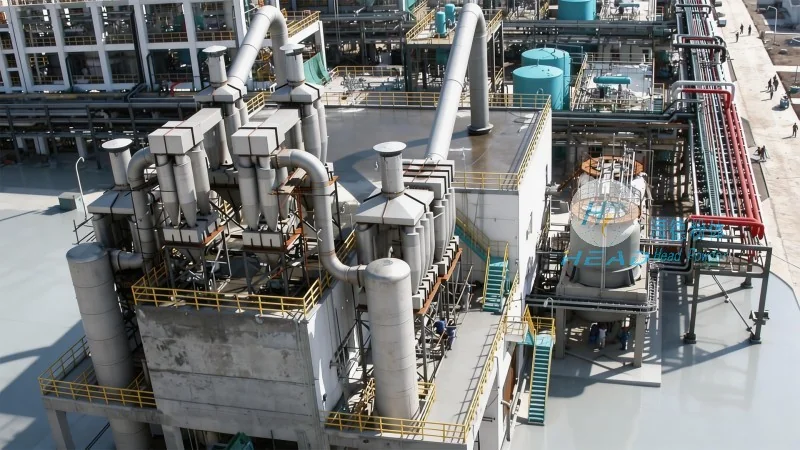
The Fundamental Principle of Pneumatic Conveying
Pneumatic conveying systems operate by using air or gas as the medium to transport bulk materials through a pipeline. The core principle involves creating a pressure differential that propels the material along the conveying line. There are two primary types of pneumatic conveying: aspiration (or vacuum) systems and pressure (or positive pressure) systems. Aspiration systems use a vacuum at the receiving end to draw material from the source, while pressure systems utilize compressed air to push material from the source to the destination. For calcium carbide slag, a combination of these methods or a specialized design is often employed to ensure optimal performance.
Key Working Scene Characteristics of Calcium Carbide Slag Pneumatic Conveying Lines
The application of pneumatic conveying lines for calcium carbide slag is characterized by several distinct features that cater to the specific demands of industrial processes. Firstly, environmental control is a critical aspect, as the material can generate dust and fumes. Advanced systems incorporate dust collection and filtration mechanisms to maintain air quality and comply with environmental regulations. Secondly, material handling efficiency is paramount, especially in large-scale production facilities where continuous operation is required. The conveying lines are designed to handle high volumes of slag while minimizing downtime and maintenance. Thirdly, system reliability is essential, as the abrasive nature of the slag can cause wear on components. High-quality materials and robust design are used to ensure long-term operation with minimal breakdowns. Additionally, flexibility in layout is a key characteristic, allowing the system to be integrated into existing industrial setups without major structural modifications.
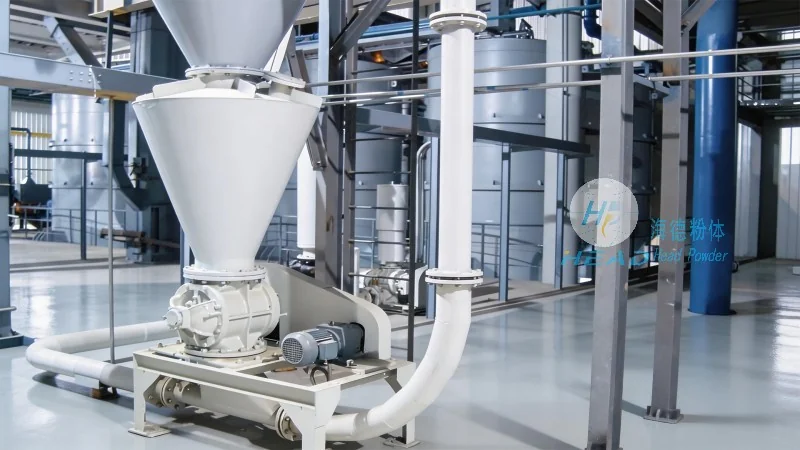
HeadPowder Engineering's Expertise in Designing Pneumatic Conveying Solutions
Shandong HeadPowder Engineering Co., Ltd., a leading provider of industrial material handling solutions, specializes in designing and manufacturing pneumatic conveying lines tailored to the unique requirements of calcium carbide slag. With years of experience in the field, HeadPowder has developed a deep understanding of the challenges associated with handling this material, enabling them to deliver customized solutions that enhance operational efficiency and reduce costs. The company's approach involves a comprehensive analysis of the client's process, including material characteristics, production capacity, and site constraints, to design a system that meets all technical and operational needs.
Technical Advantages of HeadPowder's Pneumatic Conveying Systems
HeadPowder's pneumatic conveying systems for calcium carbide slag offer several technical advantages that set them apart from conventional solutions. Firstly, energy efficiency is optimized through the use of advanced air compressors and pressure control systems, reducing operational costs. Secondly, material handling capacity is maximized by employing high-capacity pipelines and efficient air flow management, ensuring smooth and continuous transport. Thirdly, system durability is enhanced through the use of wear-resistant materials and robust construction, minimizing the need for frequent maintenance and repairs. Additionally, flexibility in system configuration allows for customization to suit different industrial applications, from small-scale operations to large-scale production facilities.
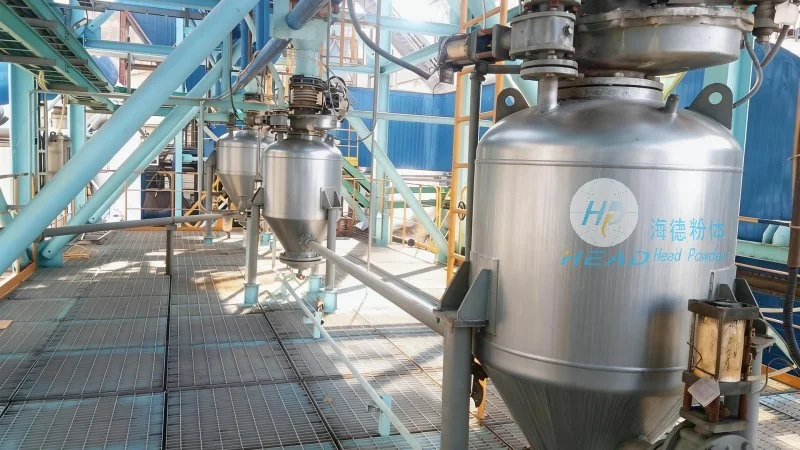
Application Scenarios and Case Studies
The effectiveness of pneumatic conveying lines for calcium carbide slag is demonstrated in various industrial applications. For instance, in cement production plants, the system is used to transport slag from the slag storage area to the raw material processing unit, ensuring a consistent supply of material for cement production. In chemical manufacturing facilities, the system is employed to move slag from the reaction vessel to the waste treatment unit, facilitating the proper disposal and recycling of the material. Case studies from HeadPowder's clients have shown significant improvements in operational efficiency, with reduced downtime and lower maintenance costs compared to traditional handling methods. These success stories highlight the reliability and effectiveness of the company's pneumatic conveying solutions.
Conclusion and Future Outlook
Pneumatic conveying lines for calcium carbide slag represent a sophisticated and efficient solution to the challenges of material handling in industrial processes. By leveraging the principles of pneumatic transport and incorporating advanced design features, these systems provide reliable and cost-effective operation. HeadPowder Engineering, with its expertise and commitment to quality, continues to lead in the development of such systems, helping industrial clients optimize their material handling processes and achieve their operational goals. As industrial demands evolve, the importance of efficient and sustainable material handling solutions will only increase, making pneumatic conveying lines an essential component of modern industrial operations.