

Operation Process and Working Principle of Automatic Continuous Pneumatic Conveying
Pneumatic conveying systems are essential in various industrial sectors for transporting bulk materials efficiently and safely. These systems utilize air or other gases to move powders, granules, and other particulate materials from one location to another. The technology offers advantages such as reduced labor costs, improved material handling, and enhanced safety compared to traditional methods like belt conveyors or bucket elevators.
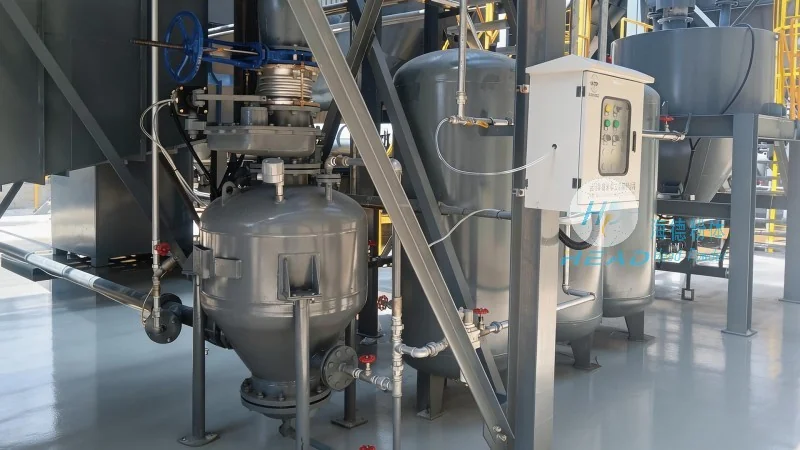
Company Overview: Shandong HeadPowder Engineering Co., Ltd.
HeadPowder, or Shandong HeadPowder Engineering Co., Ltd., is a leading manufacturer specializing in the design, development, and implementation of advanced pneumatic conveying solutions. With a strong commitment to innovation and quality, the company has established itself as a trusted partner in the industry, serving clients across diverse sectors including food processing, pharmaceuticals, chemicals, and minerals. HeadPowder's headquarters is located in Shandong, China, where the company leverages local expertise and resources to deliver tailored solutions that meet the unique needs of each project.
The Operation Process of Automatic Continuous Pneumatic Conveying
The operation of an automatic continuous pneumatic conveying system involves several key steps that ensure smooth and uninterrupted material transport. The process typically begins with the material being fed into the system, either from a hopper or a storage silo. An air compressor then generates the necessary pressure to create a flow of air through the conveying line. As the material is introduced, it is carried along by the air stream, moving through the pipeline to the destination point.
Once the material reaches the discharge point, it is collected in a receiving hopper or silo. The system operates continuously, with the air compressor maintaining a consistent pressure to ensure a steady flow of material. This continuous operation minimizes downtime and maximizes productivity, making it ideal for high-volume applications where consistent material supply is critical.
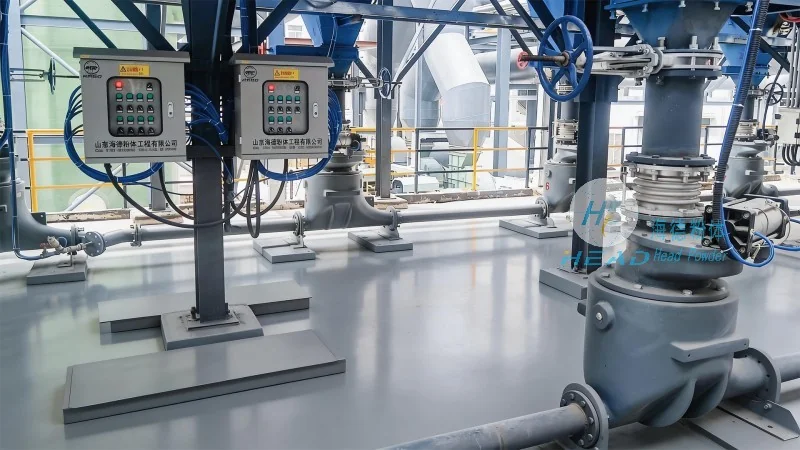
Working Principle of the System
The working principle of an automatic continuous pneumatic conveying system is based on the fundamental concept of fluidization and transport. The system uses a combination of air pressure and material properties to move the bulk material. The air compressor provides the energy to create a pressure differential between the inlet and outlet of the conveying line. This pressure differential drives the air and material mixture through the pipeline.
The material is suspended in the air stream due to the velocity of the air, which is sufficient to overcome the gravitational force acting on the particles. The air velocity is carefully controlled to ensure that the material remains in a fluidized state, preventing blockages and ensuring efficient transport. The system's design, including the size and shape of the pipeline, the type of air nozzles, and the placement of the material feed and discharge points, all contribute to the overall efficiency and performance of the conveying process.
Key Components and Their Functions
Several critical components work together to ensure the smooth operation of an automatic continuous pneumatic conveying system. The main components include the air compressor, conveying line, material feed hopper, air nozzles, and discharge hopper. Each component plays a vital role in the overall system performance.
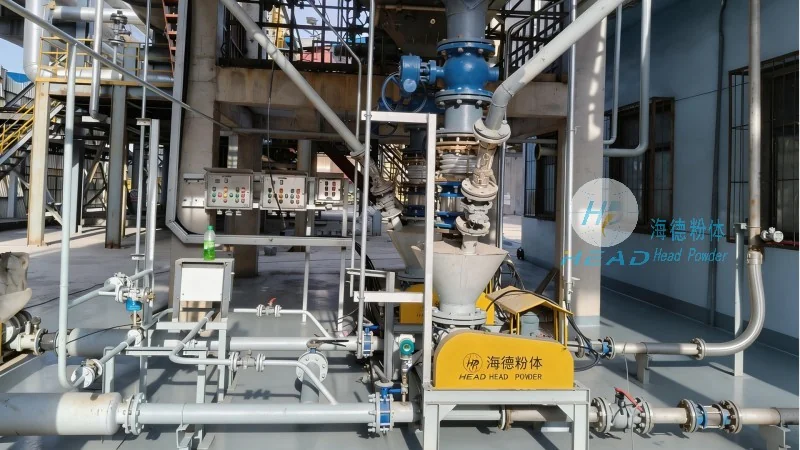
The air compressor is responsible for generating the necessary pressure and volume of air to drive the material through the pipeline. It can be a positive displacement or centrifugal type, depending on the system requirements and the material being conveyed. The conveying line, typically made of stainless steel or other corrosion-resistant materials, is designed to withstand the pressure and temperature conditions of the system.
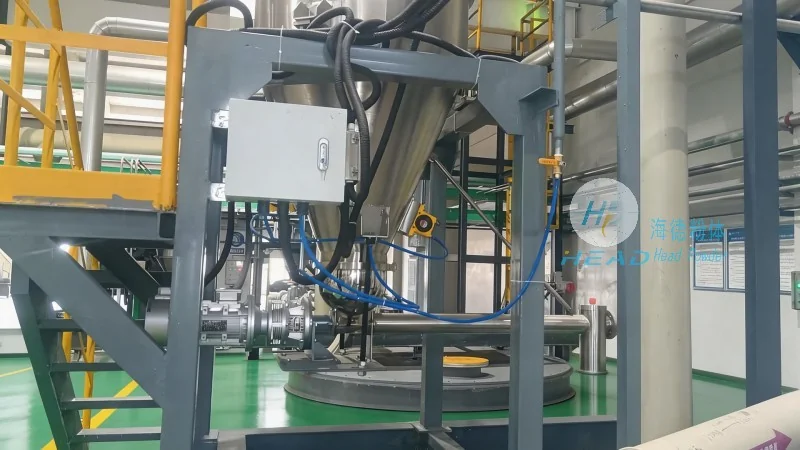
The material feed hopper is used to store and feed the bulk material into the system. It is equipped with a feeder, such as a rotary valve or a screw feeder, which controls the flow rate of the material. The air nozzles, located at the inlet of the conveying line, are designed to create a high-velocity air stream that picks up the material particles. The discharge hopper collects the material as it is transported through the pipeline and releases it at the destination point.
Benefits and Applications
Automatic continuous pneumatic conveying systems offer numerous benefits that make them a preferred choice for many industries. The primary advantages include high efficiency, low maintenance, and the ability to handle a wide range of materials. The system can transport materials over long distances and at high speeds, reducing the time and cost associated with material handling.
The applications of pneumatic conveying systems are diverse and include the transportation of powders in food processing plants, granules in pharmaceutical manufacturing, chemicals in industrial processes, and minerals in mining operations. The system's ability to handle sensitive materials without degradation or contamination makes it ideal for applications where product quality is paramount.
In conclusion, the operation process and working principle of automatic continuous pneumatic conveying systems are complex but highly effective. With the expertise of companies like Shandong HeadPowder Engineering Co., Ltd., these systems can be tailored to meet the specific needs of various industries, ensuring efficient and reliable material transport.