

Operation Process and Working Principle of Organic Salt Pneumatic Conveying
Organic salt, such as sodium acetate or potassium nitrate, is commonly used in various industrial applications including chemical processing, food production, and pharmaceutical manufacturing. Pneumatic conveying systems offer an efficient and flexible method for transporting these materials, especially when dealing with bulk quantities or when precise control over the material flow is required. This article provides a detailed overview of the operation process and working principle of organic salt pneumatic conveying systems, highlighting the key components, operational steps, and technical considerations involved.
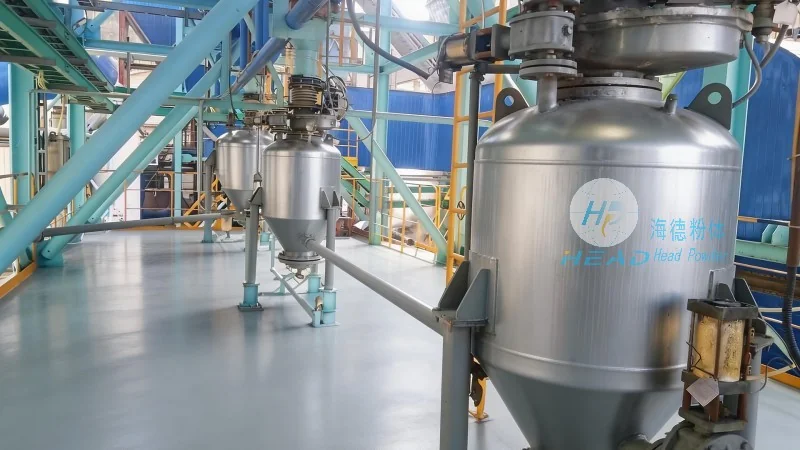
Overview of Organic Salt Pneumatic Conveying Systems
Pneumatic conveying systems utilize air or other gases to transport solid materials like organic salts through a pipeline network. These systems are particularly advantageous for organic salts due to their ability to handle fine powders, prevent material contamination, and maintain a clean and controlled environment. The primary components of a typical organic salt pneumatic conveying system include a hopper for material storage, a feeder to control the flow rate, a conveying line (usually made of stainless steel to prevent corrosion), a vacuum or pressure source, and a receiver for the discharged material. The system can operate in either vacuum (suction) or pressure (blowing) modes, depending on the specific requirements of the application.
Key Components and Their Functions
The effectiveness of an organic salt pneumatic conveying system depends on the proper functioning of several critical components. The hopper serves as the storage vessel, ensuring a consistent supply of material to the feeder. The feeder, often a rotary valve or a screw feeder, regulates the flow rate of the organic salt into the conveying line, preventing overloading and maintaining a stable pressure within the system. The conveying line, typically constructed from stainless steel or other corrosion-resistant materials, is designed to withstand the chemical properties of organic salts and the abrasive nature of the particles. The vacuum or pressure source provides the necessary force to move the material through the pipeline. In vacuum systems, a vacuum pump creates a negative pressure that draws the material and air mixture into the line. In pressure systems, a blower or compressor supplies compressed air to push the material forward. The receiver, usually a hopper or a storage tank, collects the material at the end of the conveying line, allowing for further processing or storage.
Operation Process of Organic Salt Pneumatic Conveying
The operation process of an organic salt pneumatic conveying system involves several sequential steps, each designed to ensure efficient and safe material transport. The process typically begins with the loading of the organic salt into the hopper. The feeder then starts to discharge the material at a controlled rate, feeding the conveying line. Simultaneously, the vacuum or pressure source is activated, creating the necessary pressure differential to move the material. The organic salt particles are then entrained by the air stream and carried through the conveying line to the receiver. At the receiver end, the material is discharged into the storage vessel or processing equipment. The system may include a filter or separator to remove any excess air or fine particles from the material before it reaches the receiver, ensuring the purity of the organic salt. The entire process is monitored by sensors and control systems that adjust the flow rate and pressure as needed to maintain optimal performance.

Working Principle of Pneumatic Conveying for Organic Salts
The working principle of pneumatic conveying for organic salts is based on the fundamental concept of fluidization and particle transport. In a vacuum system, the vacuum pump reduces the pressure inside the conveying line, creating a pressure difference between the hopper and the receiver. This pressure difference causes the organic salt particles to be drawn into the line along with the air. The air acts as a carrier, suspending the particles and moving them through the pipeline. The velocity of the air stream must be sufficient to keep the particles in suspension and prevent them from settling or clogging the line. In a pressure system, the blower supplies compressed air that pushes the material forward. The pressure difference between the feeder and the receiver drives the material through the line. The key to efficient operation is maintaining the correct air-to-material ratio, which balances the need to keep the particles suspended without excessive energy consumption. The design of the conveying line, including its diameter and length, also plays a crucial role in determining the system's performance and efficiency.
Technical Considerations and System Design
When designing an organic salt pneumatic conveying system, several technical considerations must be taken into account to ensure optimal performance and longevity. The first consideration is the material properties of the organic salt, such as its particle size, density, and moisture content. These properties affect the flow characteristics and the required air velocity for effective conveying. For example, fine organic salts may require higher air velocities to prevent clogging, while larger particles may need a higher pressure source. The system must also be designed to handle the potential for corrosion or chemical reactions between the organic salt and the conveying components. Stainless steel is commonly used for the conveying line and other wetted parts due to its resistance to corrosion from organic salts and other chemicals. Additionally, the system should be equipped with proper filtration and cleaning mechanisms to prevent the buildup of material in the line, which can lead to blockages and reduced efficiency. The control system must be robust and user-friendly, allowing operators to monitor and adjust the flow rate, pressure, and other parameters in real-time. This ensures that the system operates within safe and efficient limits, minimizing downtime and maintenance costs.
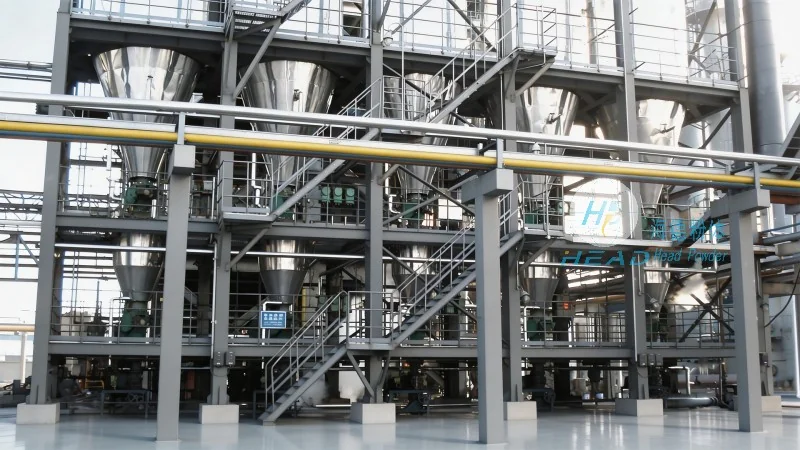
Advantages of Organic Salt Pneumatic Conveying
Pneumatic conveying systems offer several advantages when transporting organic salts compared to traditional methods like belt conveyors or bucket elevators. One of the primary advantages is the ability to handle fine powders without the risk of dust generation or material degradation. The enclosed system prevents contamination from external sources and maintains the purity of the organic salt. Another advantage is the flexibility of the system, which can be easily reconfigured to accommodate changes in production volume or material type. The system can also be integrated with other processing equipment, such as mixers or reactors, to streamline the production process. Additionally, pneumatic conveying systems are generally more energy-efficient than mechanical systems, especially for long-distance or high-volume transport. The use of air as the carrier reduces the need for moving parts and maintenance, leading to lower operational costs over the system's lifespan.
Applications in Industrial Settings
Organic salt pneumatic conveying systems are widely used in various industrial applications where the efficient and safe transport of organic salts is critical. In the chemical industry, these systems are used to transport sodium acetate, potassium nitrate, and other organic salts used in the production of fertilizers, pharmaceuticals, and specialty chemicals. In the food industry, pneumatic conveying is employed to transport organic salts used as flavor enhancers or preservatives in food processing plants. The pharmaceutical industry also utilizes these systems to transport organic salts used in drug formulations, ensuring that the materials are handled in a sterile and controlled environment. Additionally, in the manufacturing of batteries and other electronic components, organic salt pneumatic conveying systems are used to transport materials like lithium carbonate and other salts used in battery production. The versatility and efficiency of these systems make them an essential component in many industrial processes.
Conclusion
Organic salt pneumatic conveying systems provide an efficient, flexible, and safe method for transporting organic salts in various industrial applications. The operation process involves a series of steps, from material loading to discharge, with each step carefully controlled to ensure optimal performance. The working principle is based on the use of air as a carrier to transport the particles through a pipeline network, with the system designed to handle the specific properties of organic salts. By understanding the key components, operation process, and technical considerations, manufacturers can design and operate effective pneumatic conveying systems that meet the demands of modern industrial production. As a leading manufacturer in this field, Shandong HeadPowder Engineering Co., Ltd. specializes in providing high-quality organic salt pneumatic conveying systems tailored to the specific needs of clients, ensuring reliable and efficient material transport in various industrial settings.