

Airflow Conveying Process and Working Principle of Masterbatch
HeadPowder, a leading enterprise in the field of masterbatch technology, specializes in the efficient and reliable transportation of masterbatch materials through advanced airflow conveying systems. This article delves into the operational process and working principles of air conveying for masterbatch, highlighting the key components, mechanisms, and benefits of this method.
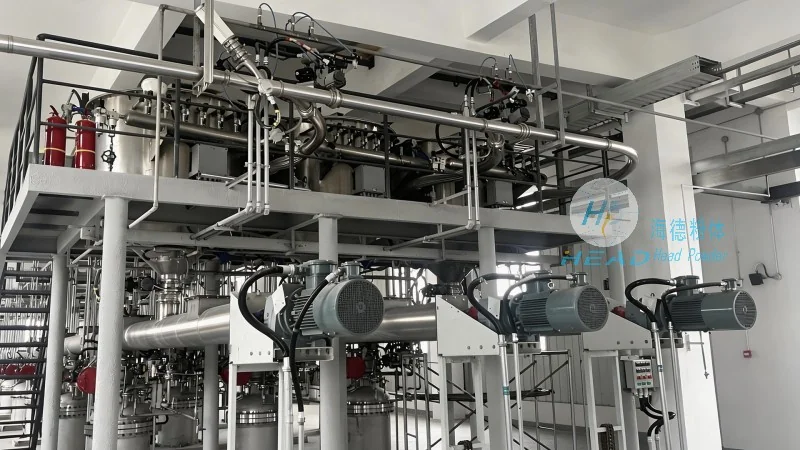
Key Components of the Airflow Conveying System
The air conveying system for masterbatch typically consists of several critical components that work in tandem to ensure smooth material transport. These include the hopper or feeding device, the air compressor or blower, the conveying line (often equipped with filters and pressure regulators), and the discharge or collection unit. Each component plays a vital role in maintaining the integrity and quality of the masterbatch during transit.
Working Principle of Airflow Conveying
The fundamental principle of air conveying is the use of compressed air to create a flow that propels the masterbatch particles through the conveying line. As air is introduced into the system, it creates a negative pressure or positive pressure environment, depending on the specific design. The masterbatch is fed into the system, either by gravity or mechanical means, and is entrained by the air stream. The air velocity is carefully controlled to ensure that the particles are carried without excessive abrasion or degradation. The system may incorporate features such as cyclone separators or filters to separate the masterbatch from the air stream and collect it at the destination.
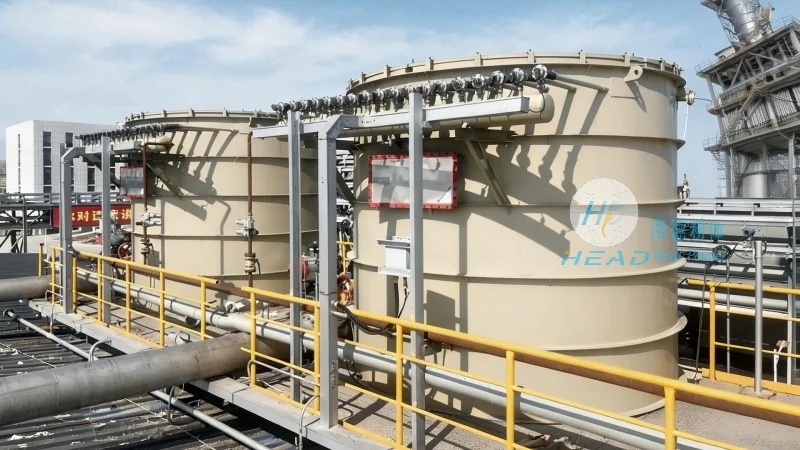
Operational Process of Masterbatch Air Conveying
The operational process begins with the loading of masterbatch into the feeding hopper. The system then activates the air compressor, which generates the necessary airflow. The masterbatch is then drawn into the conveying line by the air current. As the material travels through the line, it passes through any intermediate processing steps, such as drying or mixing, if required. Upon reaching the discharge point, the masterbatch is separated from the air using a separator, and collected in a designated container. The entire process is monitored for efficiency and performance, with adjustments made as needed to maintain optimal conveying rates and material quality.
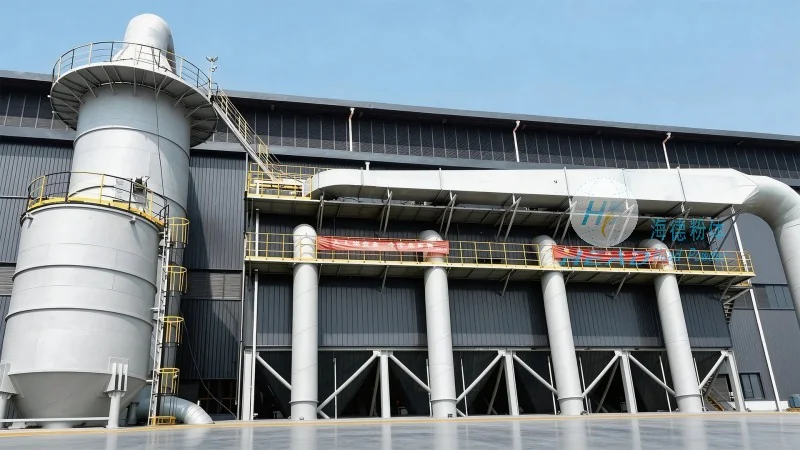
Benefits and Advantages of Airflow Conveying for Masterbatch
Implementing an airflow conveying system for masterbatch offers several advantages over traditional methods. These include reduced labor costs due to automated material handling, improved material cleanliness and purity, and enhanced safety by minimizing manual handling of powders. Additionally, the system allows for precise control over conveying rates, ensuring consistent material flow and reducing the risk of clogging or blockages. The compact design of modern air conveying systems also makes them suitable for installation in limited space, making them ideal for various industrial applications.
Conclusion
HeadPowder Engineering Co., Ltd., based in Shandong, China, provides advanced air conveying solutions tailored to the specific needs of masterbatch manufacturers. By understanding the operational process and working principles of airflow conveying, companies can optimize their material handling processes, improve efficiency, and maintain the high quality of their masterbatch products. The integration of reliable air conveying systems is a key factor in achieving consistent performance and meeting the demands of modern industrial production.