

Operation Process and Working Principle of Slag Pneumatic Conveying System
Slag, a byproduct of steelmaking and other industrial processes, requires efficient and reliable transportation for recycling and reuse. The slag pneumatic conveying system, developed by Shandong HeadPowder Engineering Co., Ltd. (headpowder), offers a sophisticated solution to handle these materials with precision and minimal environmental impact. This system is designed to transport slag from storage silos or processing units to disposal or processing facilities, ensuring smooth operation in industrial settings.
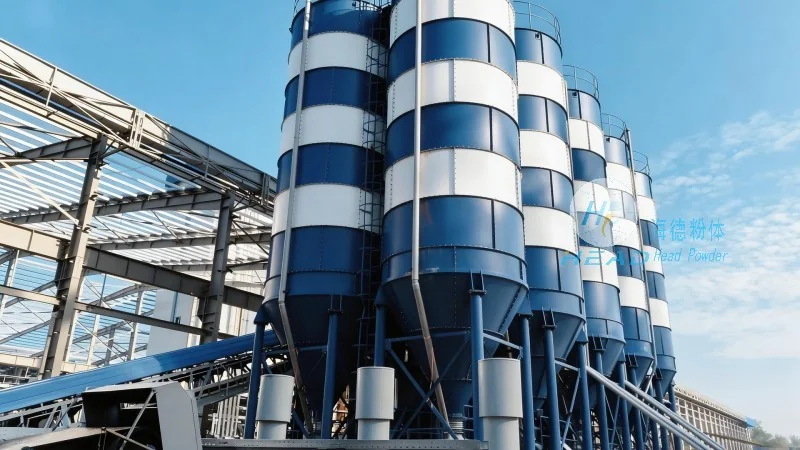
Company Background and Expertise
HeadPowder, a leading enterprise based in Shandong, China, has established itself as a trusted provider of pneumatic conveying technologies. With years of experience in the field, the company specializes in customizing systems tailored to the unique requirements of clients in the cement, steel, and construction industries. The company’s commitment to innovation and quality ensures that its slag pneumatic conveying systems meet the highest standards of performance and durability.
Working Principle of the Pneumatic Conveying System
The core of the slag pneumatic conveying system is the pneumatic transport mechanism, which utilizes air pressure to move particulate materials like slag through a network of pipes. The system typically operates in either suction or pressure modes. In suction mode, a vacuum is created at the material inlet to draw slag into the system, while in pressure mode, compressed air forces the material through the pipeline. For slag, which often has high moisture content and abrasive properties, the system incorporates specialized components such as high-efficiency cyclone separators and wear-resistant pipelines to ensure long-term reliability.
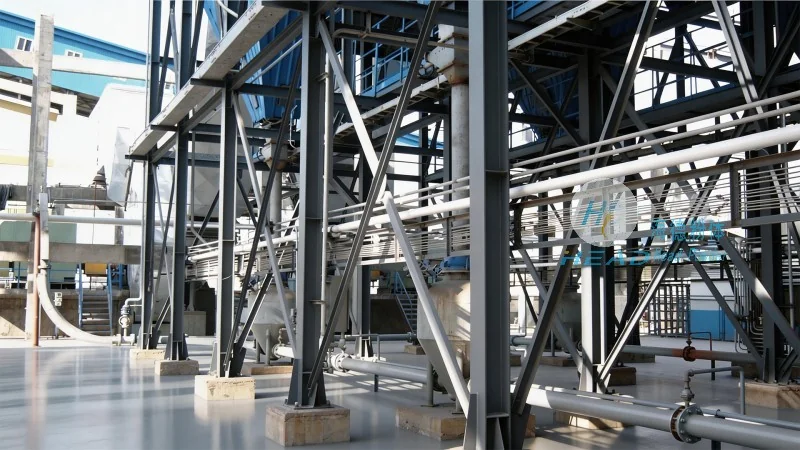
Key Components and Their Functions
The slag pneumatic conveying system consists of several critical components, each playing a vital role in the overall operation. The main components include: (1) a material feeder, which controls the flow of slag into the system; (2) a blower or compressor, which generates the necessary air pressure or vacuum; (3) a pipeline network, designed with appropriate diameters and bends to minimize pressure loss; (4) a dust separator, such as a cyclone or bag filter, to separate air from the slag particles; and (5) a discharge unit, which delivers the slag to the target location. Each component is engineered to withstand the harsh conditions associated with slag, including high temperatures and abrasive wear.
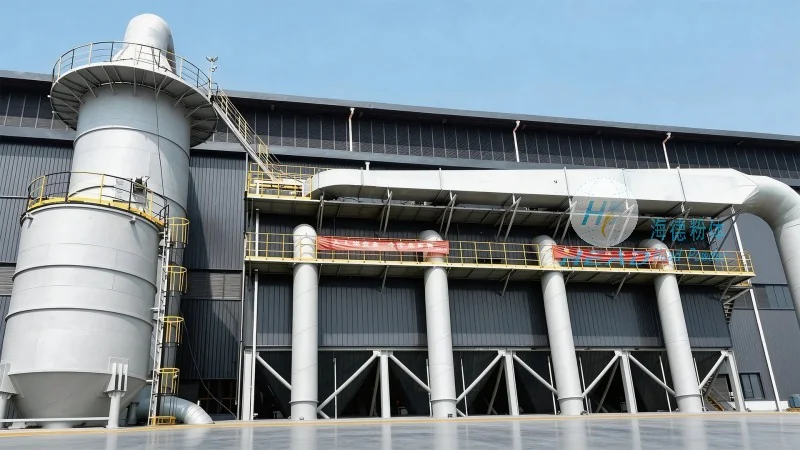
Operation Process: From Start to Stop
The operation of the slag pneumatic conveying system follows a systematic process to ensure safe and efficient transport. The sequence typically begins with the preparation phase, where the system is checked for proper functioning, including checking the blower pressure, pipeline integrity, and material feeder settings. Once the system is ready, the blower is activated to establish the required air flow. The material feeder then starts feeding slag into the system, and the air flow draws the particles into the pipeline. As the slag travels through the system, it passes through the cyclone separator, where the air is separated and recirculated, while the slag is collected in a hopper or directly discharged. The system continues to operate until the material feed is stopped, at which point the blower is turned off, and the pipeline is purged to remove any remaining slag. This controlled shutdown process prevents clogging and ensures the system is ready for the next cycle.
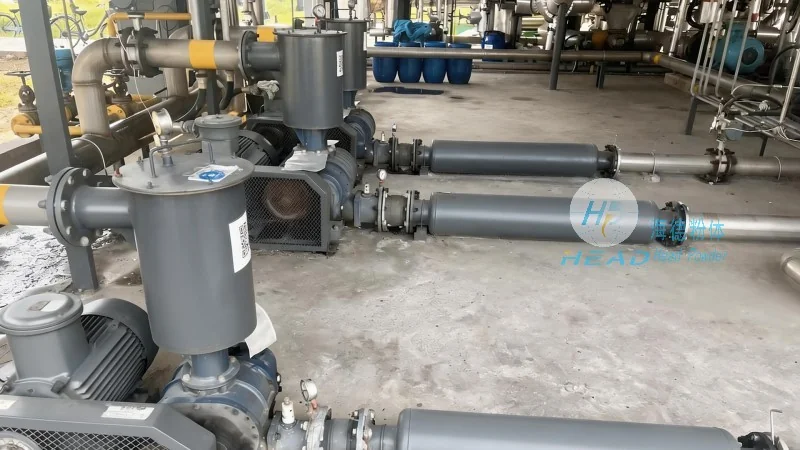
Advantages of the Slag Pneumatic Conveying System
Compared to traditional methods like belt conveyors or trucks, the pneumatic conveying system offers several advantages for slag handling. Firstly, it provides a closed system, which reduces dust emissions and improves environmental compliance. Secondly, it offers high transport efficiency, with the ability to move large volumes of slag over long distances with minimal energy consumption. Thirdly, the system is flexible, allowing for changes in transport routes or capacity without major modifications. Additionally, the use of wear-resistant materials and advanced control systems reduces maintenance costs and extends the lifespan of the equipment. These benefits make the slag pneumatic conveying system an ideal choice for industrial applications where reliability and efficiency are paramount.
Application Scenarios and Industry Impact
The slag pneumatic conveying system is widely used in various industrial sectors, particularly in the cement and steel industries. In cement plants, slag is often used as a raw material for cement production, and the system efficiently transports it from storage to the grinding or mixing units. In steel mills, slag is recycled as a supplementary cementitious material, and the system ensures that it is delivered to the processing facilities without any loss or contamination. The system’s ability to handle abrasive and high-moisture slag makes it suitable for a range of applications, from small-scale recycling operations to large-scale industrial plants. By improving the efficiency of slag handling, the system contributes to sustainable industrial practices and reduces the environmental footprint of these industries.