

Operation Process and Working Principle of Metallurgical Coal Powder Pneumatic Conveying Systems
Metallurgical coal powder pneumatic conveying systems are critical components in modern industrial processes, particularly in the metallurgical industry where efficient material handling is essential for maintaining production efficiency and safety. These systems utilize air or other gas streams to transport coal powder from storage facilities to processing units, such as furnaces or reactors. The operation of such systems involves several key stages, each designed to ensure reliable and safe material transport while minimizing operational risks and energy consumption.
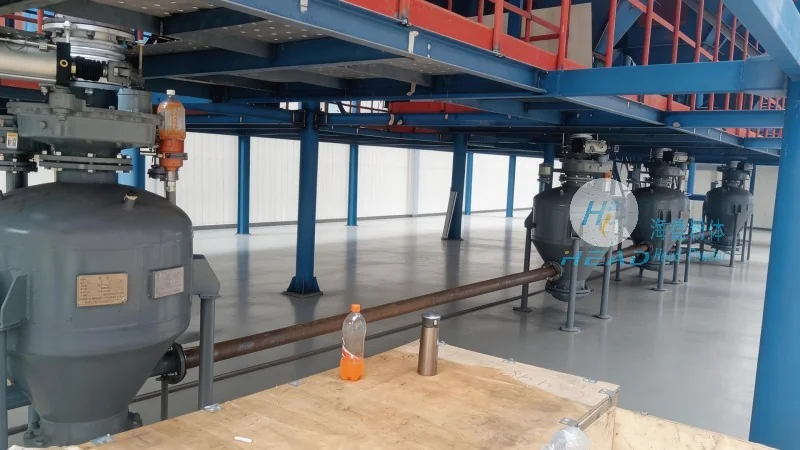
Key Components and Their Roles
The core components of a metallurgical coal powder pneumatic conveying system typically include a hopper for storing coal powder, a feeder to control the flow rate, a conveying pipeline, a pressure vessel or receiver, and a dust collection system. The hopper is designed to hold a sufficient quantity of coal powder and maintain a consistent feed to the feeder. The feeder, often a rotary valve or a screw feeder, regulates the amount of coal powder released into the pipeline, ensuring a steady flow. The conveying pipeline, usually made of stainless steel or other corrosion-resistant materials, transports the coal powder mixed with air under pressure. The pressure vessel or receiver collects the coal powder at the destination, allowing it to be discharged into the processing unit. The dust collection system, including filters and cyclones, removes any fine particles from the exhaust air, preventing environmental contamination and ensuring compliance with air quality regulations.
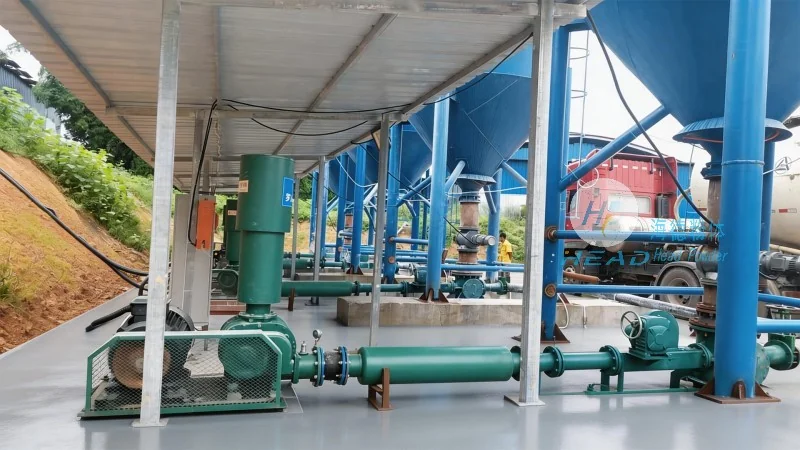
Operation Process: From Storage to Delivery
The operation process of a metallurgical coal powder pneumatic conveying system begins with the loading of coal powder into the hopper. The feeder then starts to release the coal powder at a controlled rate, which is mixed with compressed air from a blower or compressor. The air-coal mixture is then introduced into the conveying pipeline, where it is propelled towards the destination. The pressure in the pipeline is maintained at a level sufficient to overcome the resistance caused by the pipeline length, bends, and fittings. As the mixture travels through the pipeline, the coal powder particles are suspended in the air stream, allowing for efficient transport. Upon reaching the receiver or processing unit, the coal powder is separated from the air through a cyclone or other separation device. The separated coal powder is then discharged into the processing equipment, while the clean air is returned to the system or released to the atmosphere after being filtered.
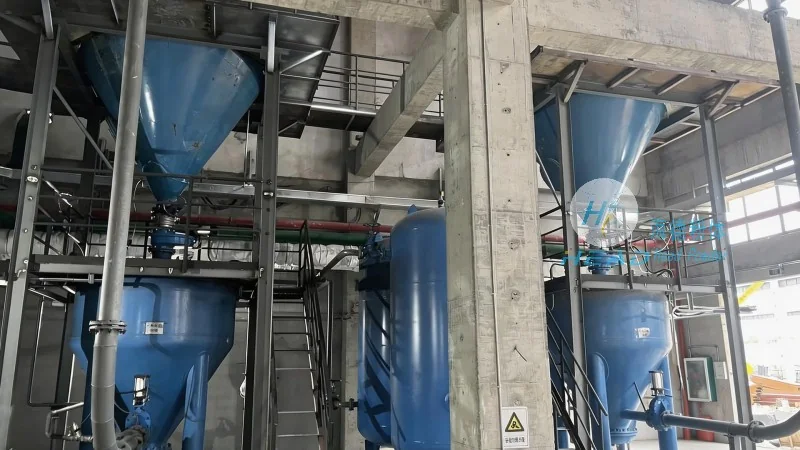
Working Principle: Air-Driven Transport Mechanism
The working principle of a metallurgical coal powder pneumatic conveying system is based on the use of air as the conveying medium. The system operates by creating a pressure differential between the hopper and the receiver. The blower or compressor generates a high-pressure air stream, which is mixed with the coal powder in the feeder. The air flow provides the necessary kinetic energy to lift and transport the coal powder particles through the pipeline. The velocity of the air stream is critical; it must be sufficient to keep the coal powder particles suspended and prevent them from settling or clogging the pipeline. The system can be classified into two main types: dilute-phase and dense-phase conveying. Dilute-phase systems operate at higher air velocities, typically 20-30 m/s, and are suitable for short to medium distances. Dense-phase systems operate at lower air velocities, around 5-10 m/s, and use a higher proportion of coal powder to air, making them suitable for longer distances and more challenging applications. The choice between these systems depends on factors such as the distance to be covered, the required flow rate, and the characteristics of the coal powder, including its particle size, density, and moisture content.
Advantages and Applications in Metallurgy
Metallurgical coal powder pneumatic conveying systems offer several advantages over traditional mechanical conveying methods. These include reduced risk of dust explosions, as the system is enclosed and the air is filtered, improved safety for operators, and the ability to transport materials over long distances without the need for intermediate storage or handling. Additionally, these systems can handle materials with varying particle sizes and moisture content, making them versatile for different metallurgical processes. The systems are widely used in the production of steel, where coal powder is used as a fuel or reductant in blast furnaces and other metallurgical equipment. They are also used in the production of ferroalloys, where coal powder is used as a reducing agent in electric arc furnaces. The efficiency and reliability of these systems contribute to increased production rates and reduced operational costs in metallurgical plants.
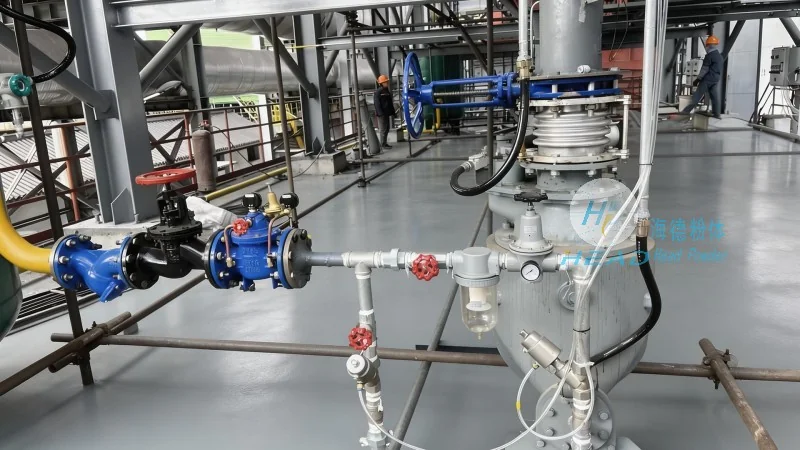
Company Profile: Shandong HeadPowder Engineering Co., Ltd.
Shandong HeadPowder Engineering Co., Ltd., operating under the brand name headpowder, is a leading manufacturer and supplier of advanced coal powder pneumatic conveying systems for the metallurgical industry. With a strong focus on innovation and quality, the company has developed a range of systems tailored to meet the specific needs of metallurgical plants. The company's products are designed to ensure high efficiency, reliable operation, and compliance with industry standards and regulations. Headpowder's team of engineers and technicians has extensive experience in the design and implementation of pneumatic conveying systems, ensuring that each system is customized to the client's requirements. The company's commitment to customer satisfaction and technical excellence has made it a trusted partner for many metallurgical companies in China and around the world.