

Operation Process and Working Principle of Slag Pneumatic Conveying Equipment
Slag pneumatic conveying equipment is a critical component in industrial material handling systems, particularly for the efficient transport of slag from production sites to processing or disposal locations. This equipment is widely used by companies like Shandong HeadPowder Engineering Co., Ltd., which specializes in providing reliable and efficient solutions for bulk material transport. The system operates by utilizing compressed air to move bulk materials through a pipeline network, offering advantages such as reduced labor costs, minimized material contamination, and enhanced safety compared to traditional methods like belt conveyors or trucks.
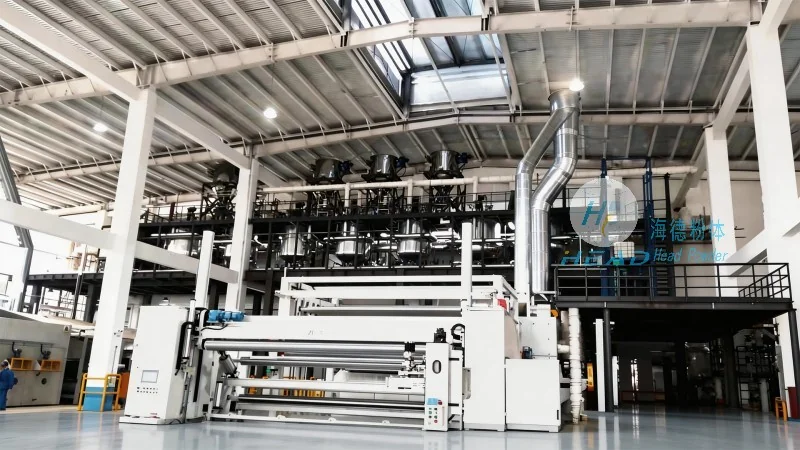
Key Components and Their Functions
The core components of a typical slag pneumatic conveying system include the material hopper, air compressor, conveyor pipeline, and discharge unit. The material hopper is designed to store and feed the slag into the system, ensuring a consistent flow of material. The air compressor generates the necessary pressure to move the material through the pipeline, with pressure levels tailored to the specific characteristics of the slag, such as particle size and density. The conveyor pipeline, often made of durable materials like stainless steel or special alloys, transports the material from the hopper to the discharge point. The discharge unit, which may include a rotary valve or other control mechanisms, regulates the release of the material at the destination, preventing backflow and ensuring smooth operation.
The Working Principle of Slag Pneumatic Conveying
The operation of slag pneumatic conveying equipment follows a systematic process. Initially, the slag is fed into the material hopper, where it accumulates until the system is ready to transport it. The air compressor then activates, generating compressed air that is introduced into the pipeline. As the air flows through the pipeline, it creates a pressure differential that lifts and propels the slag particles forward. The speed and pressure of the air are carefully controlled to maintain the material in a suspended state, preventing clogging and ensuring efficient transport. The conveying process continues until the slag reaches the discharge unit, where it is released into a storage bin or processing facility. This entire cycle is typically automated, with sensors and control systems monitoring the flow rate, pressure, and other parameters to optimize performance and prevent system failures.
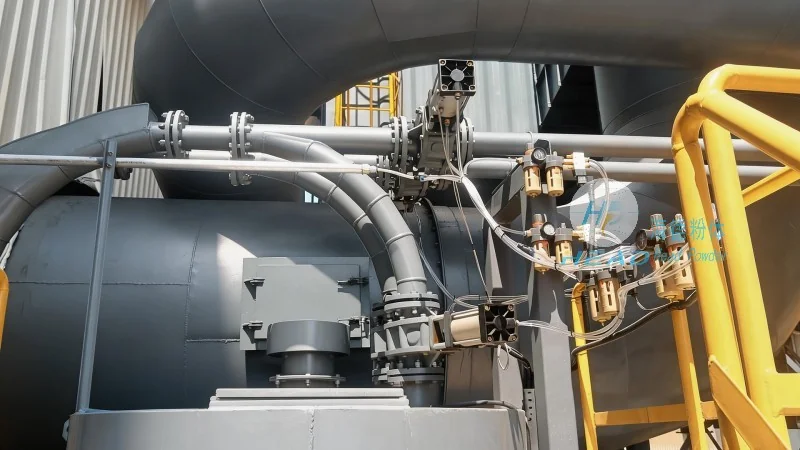
Operation Process of Slag Pneumatic Conveying Equipment
The operation process of slag pneumatic conveying equipment involves several key steps that ensure efficient and reliable material transport. First, the system is prepared by checking the air compressor, pipeline, and hopper for any obstructions or damage. Next, the material hopper is filled with slag, and the air compressor is started to build pressure. The conveying process begins as the compressed air is introduced into the pipeline, lifting the slag particles and moving them toward the discharge point. During operation, the system continuously monitors the pressure and flow rate, adjusting the air supply as needed to maintain optimal performance. The discharge unit regulates the release of the slag, ensuring a steady flow to the receiving container. Finally, the system is shut down in an orderly manner, with the air compressor turned off and the pipeline depressurized to prevent residual material from remaining in the system. This process is repeated as needed to transport additional batches of slag, with the entire operation being managed by the company's control systems to ensure consistency and efficiency.
Advantages of Using Slag Pneumatic Conveying Equipment
Slag pneumatic conveying equipment offers several advantages over traditional material handling methods. One of the primary benefits is the reduction in labor costs, as the system can operate continuously without the need for manual handling. Additionally, the equipment minimizes material contamination, as the sealed pipeline prevents the slag from coming into contact with the environment or other materials. Safety is also enhanced, as the system eliminates the need for workers to handle heavy or hazardous materials manually. Furthermore, the equipment can transport slag over long distances with minimal energy consumption, making it an environmentally friendly option. The durability of the components, such as the pipeline and air compressor, ensures long-term reliability and low maintenance costs, contributing to the overall cost-effectiveness of the system.
Applications in Industrial Settings
Slag pneumatic conveying equipment is widely used in various industrial settings, including steel mills, power plants, and construction sites. In steel mills, the equipment is used to transport slag from the blast furnace to storage facilities or processing plants, where it can be used as a raw material for cement production. In power plants, the equipment handles slag from coal combustion, transporting it to disposal sites or recycling facilities. Construction sites also utilize the equipment to move slag from demolition projects to recycling centers, where it can be repurposed as aggregate in new construction projects. The versatility of the system allows it to handle different types of slag, including high-temperature or abrasive materials, making it suitable for a wide range of industrial applications.
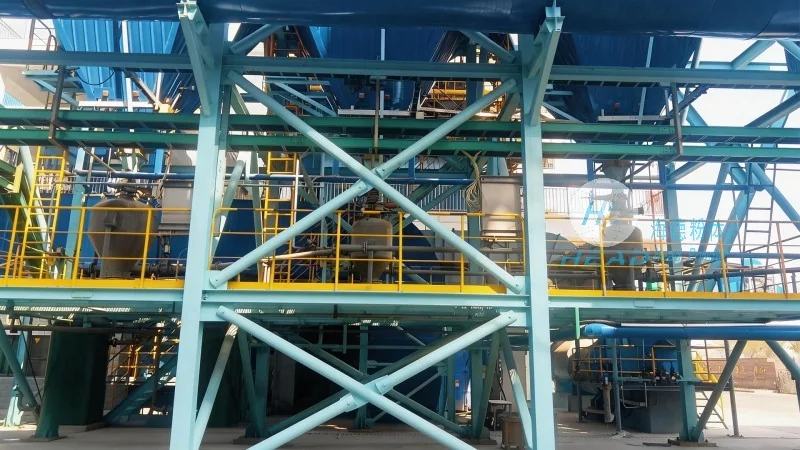
Maintenance and Operational Considerations
Proper maintenance is essential to ensure the efficient and reliable operation of slag pneumatic conveying equipment. Regular inspections of the air compressor, pipeline, and hopper are necessary to identify and address any issues before they become major problems. The air compressor should be checked for proper pressure and air flow, with filters and lubrication systems maintained to prevent wear and tear. The pipeline should be inspected for any signs of corrosion or damage, with repairs made promptly to prevent leaks or blockages. The material hopper and discharge unit should be cleaned regularly to remove any accumulated slag, which can affect the flow rate and pressure of the system. Additionally, the control systems should be calibrated periodically to ensure accurate monitoring of the operation parameters. By following these maintenance procedures, the equipment can operate at peak efficiency, minimizing downtime and maximizing the transport capacity.
Conclusion
Slag pneumatic conveying equipment is a highly effective and efficient solution for transporting bulk materials in industrial settings. The equipment operates by utilizing compressed air to move slag through a pipeline network, offering advantages such as reduced labor costs, minimized contamination, and enhanced safety. The key components, including the material hopper, air compressor, and conveyor pipeline, work together to ensure smooth and reliable operation. The operation process involves several steps, from preparation to shutdown, with the system continuously monitored to optimize performance. The equipment is widely used in various industries, including steel and power production, and offers significant benefits over traditional material handling methods. Proper maintenance and operational considerations are crucial to ensure the long-term reliability and efficiency of the system. As industrial material handling continues to evolve, slag pneumatic conveying equipment remains a critical component in ensuring the efficient and safe transport of slag and other bulk materials.