

Operation Process and Working Principle of a Gray Tank Truck Pneumatic Conveying Line
Gray tank truck pneumatic conveying lines are advanced industrial systems designed to transport bulk materials, such as powders and granules, over considerable distances with high efficiency and minimal environmental impact. These systems are integral to various sectors, including cement, chemicals, and food processing, where the reliable and safe movement of raw materials is critical to operational success. The technology behind these lines combines pneumatic principles with robust engineering, enabling the seamless transfer of materials from source to destination while maintaining product integrity and operational safety.
Key Components and Their Functions
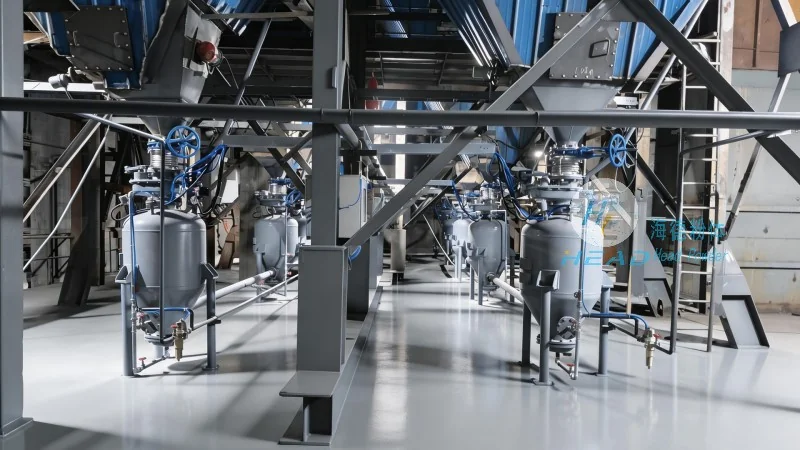
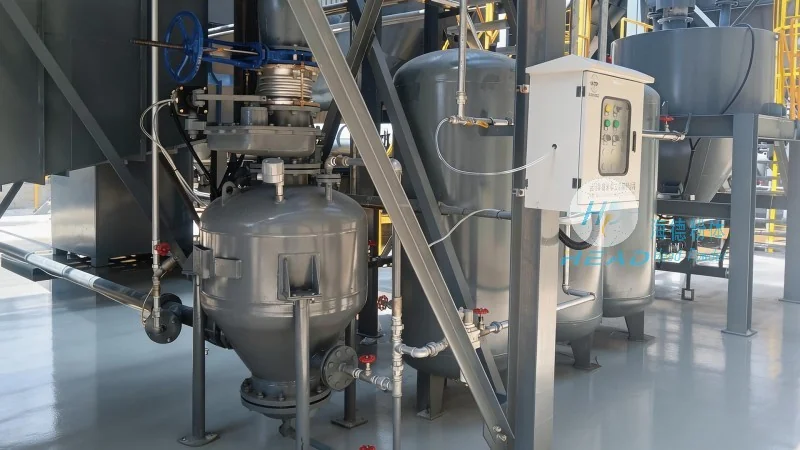
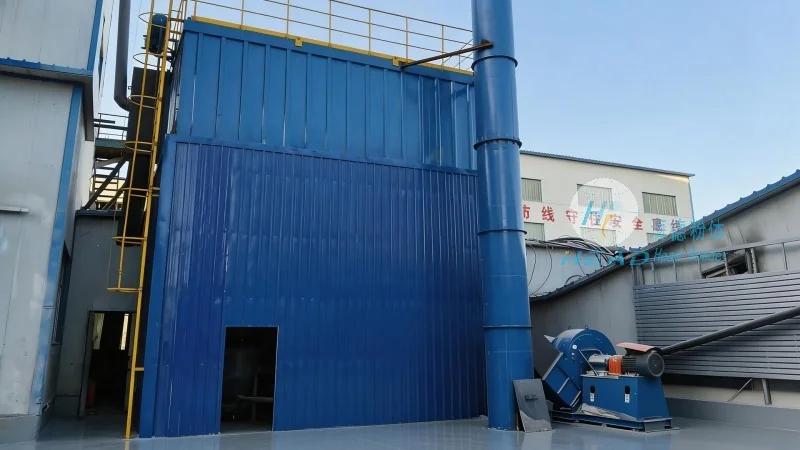
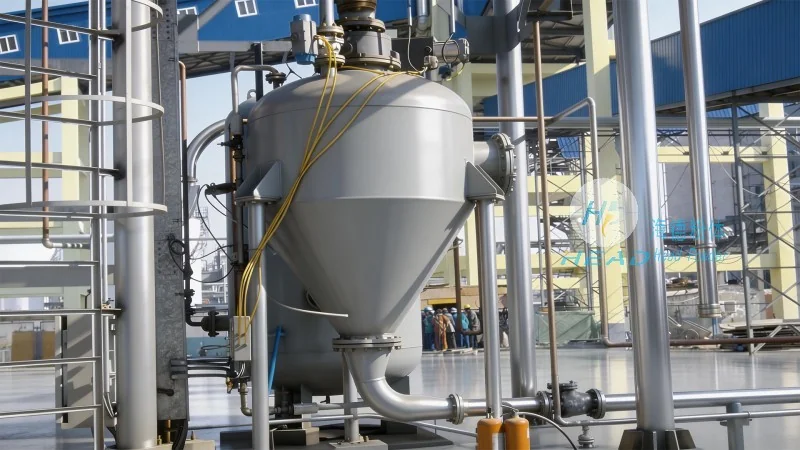
The operation of a gray tank truck pneumatic conveying line relies on a series of interconnected components, each playing a vital role in the overall system. At the heart of the system is the gray tank truck, which serves as the primary storage and transport vessel. The truck is equipped with a hopper or loading port that allows bulk materials to be loaded directly into the tank. Connected to the truck is a pneumatic conveying pipeline system, which includes a blower or compressor that generates the necessary air pressure to move materials. The pipeline itself is typically made of durable materials like stainless steel or plastic, designed to withstand the pressures and temperatures associated with material transport. Additionally, the system incorporates a filter and cyclone separator to capture and return the conveying air, ensuring that only the material is delivered to the destination. The filter removes dust and particulates from the air stream, while the cyclone uses centrifugal force to separate the material from the air, allowing the air to be recirculated and the material to be discharged into the receiving equipment. The entire setup is engineered to handle a wide range of materials, from fine powders to coarse granules, adapting to different material properties and processing requirements.
Step-by-Step Operation Process
The operation of a gray tank truck pneumatic conveying line follows a systematic sequence of steps to ensure efficient and reliable material transfer. Initially, the truck is loaded with the bulk material at the source location. This loading process is typically performed using a loading chute or conveyor, which feeds the material into the truck's hopper. Once the truck is fully loaded, it is connected to the receiving facility via the pneumatic pipeline. The connection is made using a flexible coupling or adapter that ensures a secure and leak-proof seal. The blower then activates, creating a pressure differential that draws the material from the truck's hopper into the pipeline. As the material is conveyed, it is suspended in the air stream and transported to the destination. The receiving equipment, such as a silo or storage bin, is equipped with a discharge valve that allows the material to be released once it reaches the end of the line. The entire operation is automated to a large extent, with controls that monitor pressure, flow rate, and material level, ensuring smooth and uninterrupted transport. In case of any issues, such as a blockage or pressure drop, the system includes safety features like pressure relief valves and emergency shut-off mechanisms to prevent damage to the equipment or material.