

Operation Process and Working Principle of Small Bag Quantitative Feeding Pneumatic Conveying Line
HeadPowder, a leading provider in the field, offers advanced small bag quantitative feeding pneumatic conveying lines designed to enhance material handling efficiency in various industrial applications. This equipment is engineered to accurately measure and transport bulk materials from sealed bags with precision, ensuring consistent feed rates for downstream processes. The system is built with robust components and advanced control technologies to meet the demands of modern industrial operations, providing reliable and efficient material transfer solutions.

Key Components and Their Functions
The small bag quantitative feeding pneumatic conveying line typically consists of several critical components that work in tandem to achieve reliable operation. These include the bag opening mechanism, which safely and efficiently breaks the seal of the bag; the material extraction system, which draws the material from the bag into the conveying line; the quantitative feeding unit, which measures and controls the flow rate of the material; and the pneumatic conveying system, which transports the material to the processing equipment. Each component is meticulously designed to minimize material loss and ensure consistent performance. The bag opening device may use mechanical or pneumatic actuators to break the bag seal without damaging the material. The extraction hopper is equipped with a vacuum or pressure system to draw the material from the bag into the hopper. The quantitative feeding unit often incorporates sensors and control valves to regulate the flow rate, ensuring that the material is fed at the exact rate required by the process. The pneumatic conveying line uses compressed air to transport the material, with the air velocity and pressure being carefully controlled to prevent material degradation and ensure smooth transport.
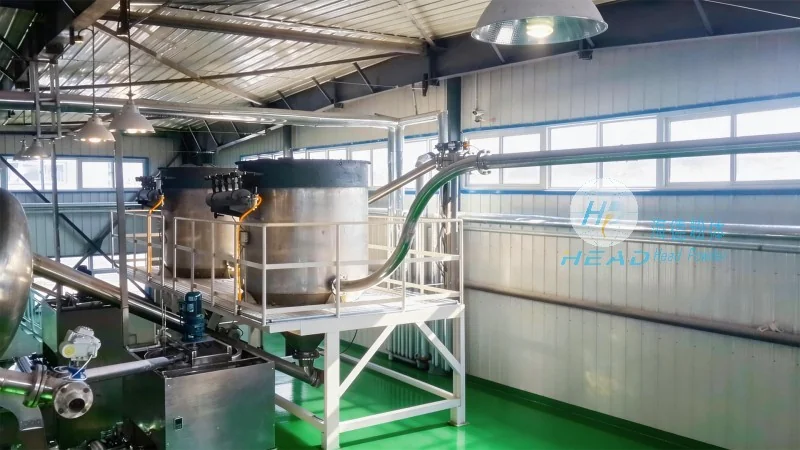
Operation Process: Step-by-Step Explanation
The operation of the small bag quantitative feeding pneumatic conveying line follows a systematic sequence to ensure accurate material transfer. First, the sealed bag is positioned under the bag opening device. The opening mechanism then activates, breaking the bag seal and allowing the material to be drawn into the extraction hopper. Next, the quantitative feeding unit measures the required amount of material based on the set parameters. The material is then transported through the pneumatic conveying line using compressed air, which propels the material to the target destination. Throughout this process, sensors and control systems monitor the flow rate and ensure that the material is delivered at the desired rate, minimizing variations and optimizing process efficiency. The system may also include a bag emptying indicator to signal when the bag is fully emptied, allowing for the replacement of the next bag in the sequence.
Working Principle: How It Works
The working principle of the small bag quantitative feeding pneumatic conveying line is based on the principles of pneumatic conveying, where compressed air is used to transport bulk materials. The system operates by creating a pressure differential between the material source and the destination. The bag opening mechanism initiates the process by releasing the material from the sealed bag into the extraction hopper. The quantitative feeding unit then regulates the flow of material into the conveying line, ensuring that the correct amount is fed at a consistent rate. The pneumatic conveying system uses high-pressure air to move the material through the pipeline, with the air velocity and pressure being carefully controlled to prevent material degradation and ensure smooth transport. The entire system is integrated with control systems that adjust the air flow and feeding rate in real-time, adapting to changes in material characteristics or process requirements. The control system may use feedback from sensors to adjust the air pressure or feeding speed, maintaining the desired material flow rate and preventing over or under feeding.

Benefits and Applications
Small bag quantitative feeding pneumatic conveying lines offer numerous benefits for industrial operations, including improved material handling efficiency, reduced labor costs, and enhanced process consistency. These systems are widely used in industries such as pharmaceuticals, food processing, chemical manufacturing, and mining, where accurate material feed is critical for quality control and process optimization. The compact design and automated operation of the equipment also contribute to a safer working environment and reduced human error. In pharmaceutical applications, the system ensures that the correct dosage of raw materials is fed into the production line, maintaining product quality and compliance with regulatory standards. In food processing, the system prevents contamination and ensures consistent ingredient addition, which is crucial for product safety and taste. In chemical manufacturing, the system enhances process control and reduces material waste, leading to cost savings and improved operational efficiency.