

Operating Process and Working Principle of a Reducing Iron Powder Pneumatic Conveying Line
HeadPowder, a leading manufacturer in the field of material handling equipment, specializes in the design, production, and installation of pneumatic conveying systems for various industrial applications. This article provides a detailed overview of the operation process and working principle of a reducing iron powder pneumatic conveying line, highlighting the key components, operational steps, and technical aspects that ensure efficient and reliable material transport.
Introduction to Reducing Iron Powder Pneumatic Conveying
Reducing iron powder is a critical raw material used in the production of steel and other metallurgical processes. The efficient transportation of this fine powder from storage silos to processing units is essential for maintaining production continuity and minimizing material loss. Pneumatic conveying systems offer a solution by utilizing air pressure to move the powder through a network of pipes, eliminating the need for mechanical components like belts or buckets that can cause contamination or wear. HeadPowder's expertise lies in developing customized pneumatic conveying solutions tailored to the specific characteristics of reducing iron powder, such as its fine particle size and potential for dust generation.
Key Components of the Pneumatic Conveying System
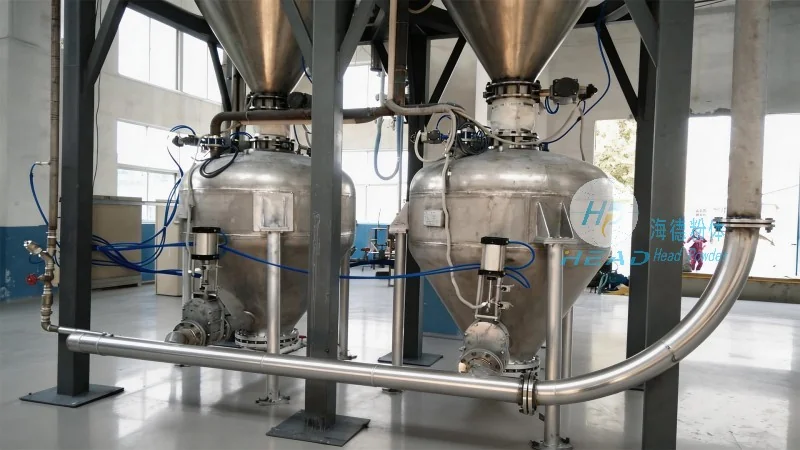
The reducing iron powder pneumatic conveying line typically consists of several key components that work in tandem to achieve effective material transport. These components include a hopper or storage silo for powder storage, a feeder to control the flow rate of the powder, a conveying pipeline system, a pressure vessel or receiver to collect the conveyed material, and a blower or compressor to generate the necessary air pressure. Each component plays a crucial role in the overall operation, and their proper integration is vital for the system's performance.
Feeder and Material Loading
The process begins with the feeder, which is responsible for controlling the flow of reducing iron powder from the storage hopper into the conveying pipeline. The feeder, often a rotary valve or a screw feeder, ensures a consistent and controlled discharge of the powder, preventing overloading or underloading of the system. The hopper, equipped with a level indicator, monitors the powder level and signals the feeder to adjust its output accordingly. This step is critical as it directly impacts the uniformity of the material flow and the overall efficiency of the conveying process.
Generation of Air Pressure and Conveying
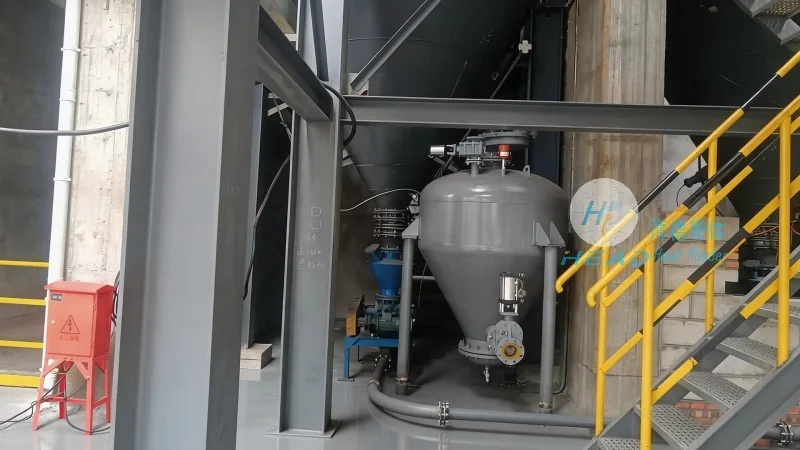
Once the feeder starts discharging the reducing iron powder, the blower or compressor is activated to generate the necessary air pressure. The air is introduced into the conveying pipeline, creating a high-velocity airflow that lifts and transports the powder particles. The velocity of the air must be sufficient to overcome the gravitational forces acting on the powder and to maintain the powder in a suspended state. The pipeline system, made of materials resistant to corrosion and abrasion, ensures that the powder and air mixture travels smoothly to the receiving vessel. The pressure vessel or receiver is designed to collect the conveyed powder and separate it from the air, typically through a cyclone separator or a filter system.
Collection and Material Discharge
In the receiving vessel, the reducing iron powder is collected and separated from the air. The cyclone separator uses centrifugal force to separate the powder from the air, while the filter system may be used for finer particles to ensure complete separation. The collected powder is then discharged from the vessel into the next processing unit, such as a mixer or a furnace. The air, now free of powder, is either recycled back into the system or vented to the atmosphere, depending on the system design and environmental regulations.
System Control and Monitoring
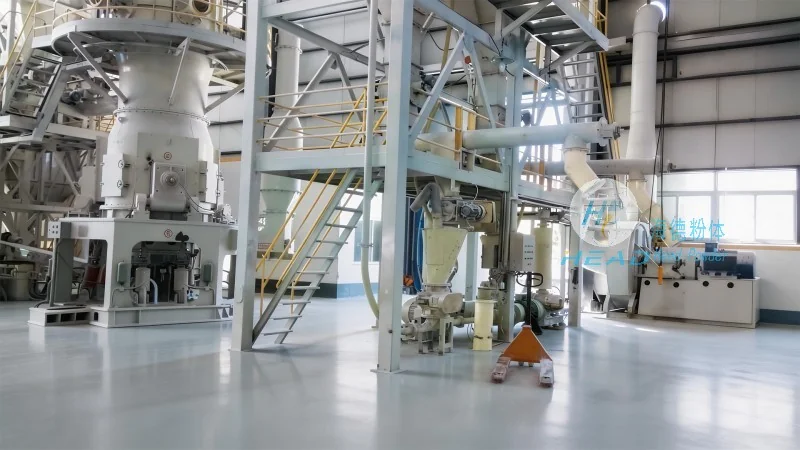
HeadPowder's pneumatic conveying systems are equipped with advanced control systems that monitor and regulate the operation of each component. Sensors are used to detect the powder level in the hopper, the flow rate from the feeder, and the pressure in the pipeline. These sensors provide real-time data to the control panel, allowing operators to adjust the system parameters as needed. The control system ensures that the conveying process operates within optimal parameters, minimizing energy consumption and maximizing material throughput. Regular maintenance and inspection of the system are also essential to ensure long-term reliability and performance.
Benefits of Using a Reducing Iron Powder Pneumatic Conveying Line
Implementing a pneumatic conveying system for reducing iron powder offers several benefits over traditional mechanical conveying methods. First, it eliminates the risk of material contamination, as the powder is not in direct contact with mechanical components. Second, it reduces material loss and dust generation, improving workplace safety and environmental compliance. Third, the system is highly flexible and can be easily integrated with existing production lines. Finally, the energy efficiency of pneumatic conveying systems is superior to mechanical systems, leading to lower operational costs over time.
Conclusion
HeadPowder Engineering Co., Ltd., based in Shandong, China, is a trusted provider of reducing iron powder pneumatic conveying systems. With years of experience and a commitment to quality, HeadPowder designs and manufactures customized solutions that meet the specific needs of industrial clients. The operation process and working principle of their pneumatic conveying lines are optimized for efficiency, reliability, and safety, ensuring that clients can achieve seamless material transport for their reducing iron powder. By leveraging advanced technology and expert engineering, HeadPowder continues to set the standard for pneumatic conveying systems in the industry.