

Operation Process and Working Principle of Light Calcium Powder Conveying Equipment
Light calcium powder, also known as precipitated calcium carbonate (PCC), is a widely used industrial material in various sectors such as paper, plastics, and coatings. The efficient and reliable transport of this fine powder is crucial for maintaining production efficiency and product quality. This article provides a detailed overview of the operation process and working principle of light calcium powder conveying equipment, highlighting key components, operational steps, and the technical aspects that ensure smooth material handling.
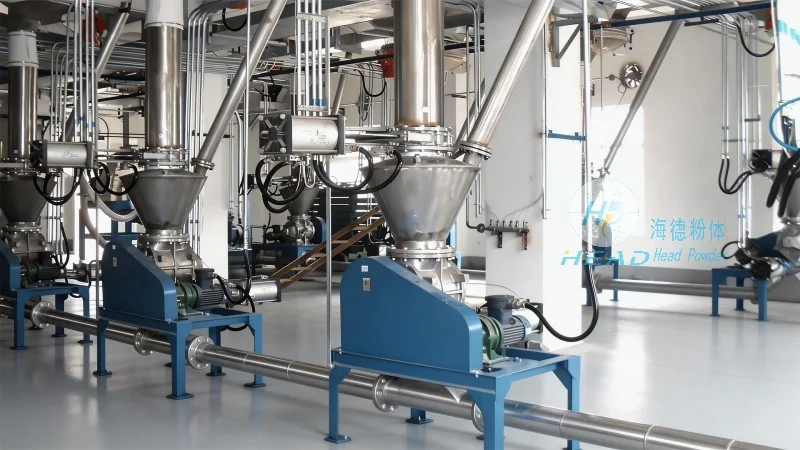
Key Components of Light Calcium Powder Conveying Systems
The light calcium powder conveying system typically consists of several core components that work in tandem to achieve effective material transport. These components include the hopper, feeder, conveyor (such as screw or pneumatic conveyors), control system, and dust collection equipment. The hopper serves as the storage container for the light calcium powder, ensuring a consistent supply of material to the feeder. The feeder, often a rotary valve or a screw feeder, regulates the flow rate of the powder into the conveyor. The conveyor itself is the primary mechanism for transporting the powder from the source to the destination. Control systems manage the entire process, including flow rates, pressure, and safety parameters. Dust collection systems are essential to maintain air quality and prevent dust accumulation, which can affect both health and equipment performance.
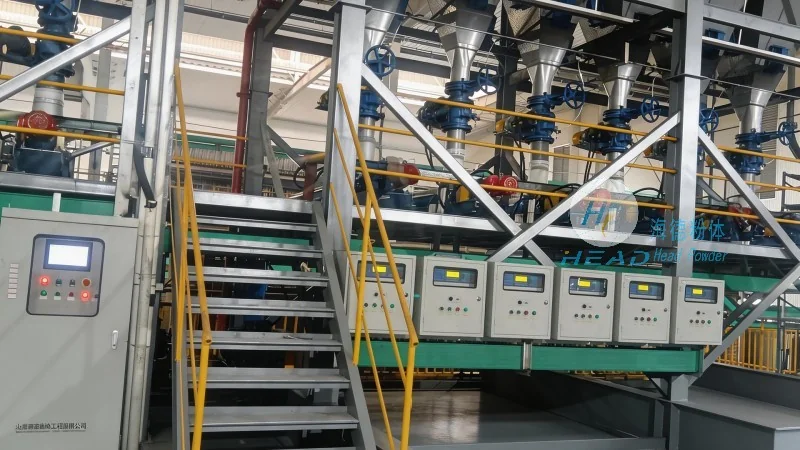
Working Principle of Light Calcium Powder Conveying Equipment
The working principle of light calcium powder conveying equipment revolves around the movement of the powder through the system under controlled conditions. In a typical pneumatic conveying system, for example, the light calcium powder is introduced into a pipeline and transported by a stream of air. The air pressure and velocity are carefully managed to ensure the powder particles are suspended and moved efficiently. The screw conveyor operates on a different principle, using rotating screws to push the powder along the conveyor tube. Both systems rely on precise control of flow rates and pressure to maintain the stability of the powder suspension and prevent blockages or material degradation.
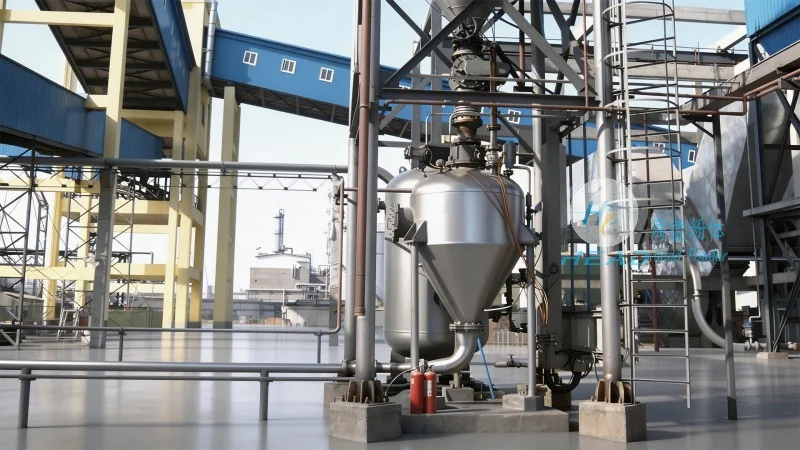
Operation Process of Light Calcium Powder Conveying Equipment
The operation process of light calcium powder conveying equipment involves several sequential steps that ensure the smooth and continuous transport of the material. First, the light calcium powder is loaded into the hopper from a storage silo or bulk container. The hopper is designed with a sloped bottom to facilitate the flow of powder into the feeder. The feeder then regulates the flow rate, ensuring a consistent supply to the conveyor. In a pneumatic system, the feeder feeds the powder into the air stream, which carries the particles through the pipeline to the discharge point. In a screw conveyor system, the feeder pushes the powder into the rotating screw, which transports it along the tube to the outlet. The control system monitors key parameters such as pressure, flow rate, and temperature, adjusting the operation as needed to maintain optimal performance. The discharge point is typically equipped with a receiving hopper or a processing unit, where the light calcium powder is used in the next stage of production. Throughout the process, dust collection systems capture any airborne particles, maintaining a clean and safe working environment.
Technical Considerations for Efficient Light Calcium Powder Conveying
Several technical considerations are critical for the efficient operation of light calcium powder conveying equipment. Particle size and density of the light calcium powder are important factors, as finer particles may require higher air velocities or more precise control to prevent clogging. The material's hygroscopic nature means that moisture control is essential to prevent clumping or degradation. The design of the hopper and feeder must account for the powder's flow characteristics, using appropriate angles and materials to avoid bridging or rat-holing. The conveyor system must be constructed from materials that are resistant to corrosion and wear, as the fine powder can be abrasive. Regular maintenance, including cleaning and inspection of components, is necessary to ensure long-term reliability and prevent downtime. Proper sealing of the system is also crucial to maintain pressure and prevent dust leakage.
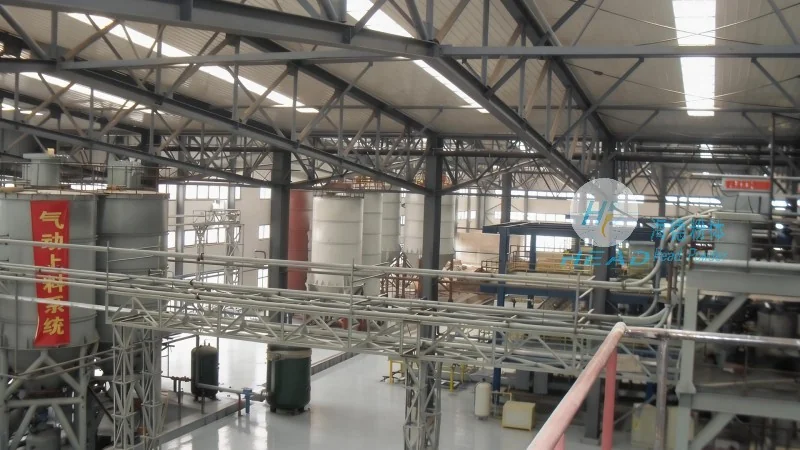
Applications and Benefits of Light Calcium Powder Conveying Equipment
Light calcium powder conveying equipment is widely used in various industries due to its ability to handle fine powders efficiently and reliably. In the paper industry, it is used as a filler in paper production, requiring consistent and high-quality transport to maintain paper quality. In the plastics industry, it is used as a reinforcement agent, where precise dosing and transport are essential for product consistency. In the coatings industry, it is used as a pigment or filler, where the uniformity of the powder is critical for the final product's appearance and performance. The benefits of using such equipment include improved production efficiency, reduced labor costs, and enhanced product quality. The ability to handle large volumes of light calcium powder in a controlled manner minimizes material waste and ensures that the powder is delivered to the processing unit in optimal condition.