

Operation Process and Working Principle of Dust Collector Powder Conveying Equipment
For industrial facilities dealing with dust and powder handling, efficient and reliable equipment is crucial. The dust collector powder conveying equipment, provided by Shandong HeadPowder Engineering Co., Ltd., is designed to ensure smooth material transport from dust collection systems to storage or processing units. This equipment plays a vital role in maintaining operational efficiency and safety in various industrial applications.

Key Components and Their Functions
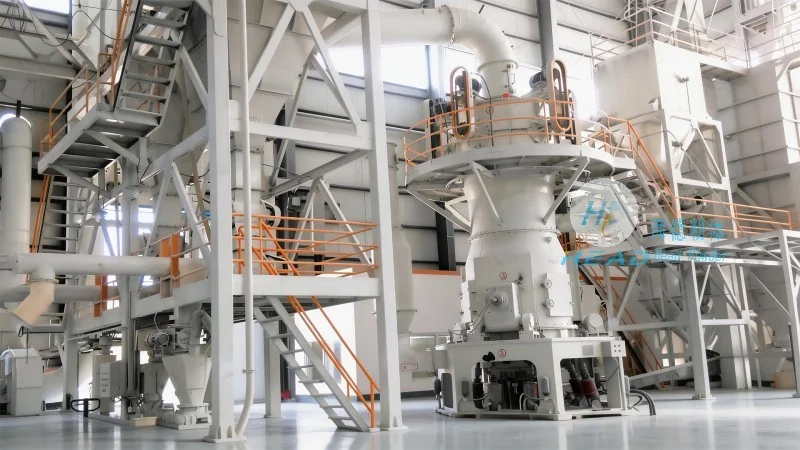
The dust collector powder conveying system typically consists of several key components that work in tandem to achieve effective material transport. These components include the dust collector hopper, conveyor system (such as pneumatic or mechanical conveyors), control valves, and dust collection bags or filters. Each component is engineered to handle the specific characteristics of the powder being processed, ensuring minimal loss and maximum efficiency.
Working Principle of the Conveying Process
The operation of the dust collector powder conveying equipment begins with the collection of dust particles in the dust collector. Once the hopper is filled, the conveying process starts. Depending on the system design, the powder may be transported via pneumatic pressure or mechanical means. In pneumatic systems, compressed air is used to create a flow that carries the powder through the conveyor lines. Mechanical systems, on the other hand, use rotating blades or screws to move the material. The choice of system depends on factors such as the particle size, moisture content, and the distance the powder needs to travel.

Operation Process: Step-by-Step Overview
1. Initial Setup and Preparation: Before operation, the dust collector hopper is filled with the powder to be conveyed. The control system is activated, and the appropriate conveying mode is selected based on the material properties and required transport distance.
2. Conveying Initiation: Once the system is ready, the conveying process starts. In pneumatic systems, the compressed air is turned on, creating a pressure differential that moves the powder through the pipeline. In mechanical systems, the conveyor mechanism (like a screw or auger) begins to rotate, pushing the powder forward.
3. Transport and Delivery: The powder is transported from the dust collector to the designated storage or processing location. The system ensures that the material is delivered without spillage or loss, maintaining a clean and safe working environment.
4. Termination and System Reset: After the material has been fully conveyed, the system is shut down. The control valves are closed, and the hopper is prepared for the next batch of powder. Regular maintenance checks are performed to ensure the equipment remains in optimal condition.
Advantages of Using Dust Collector Powder Conveying Equipment
Implementing dust collector powder conveying equipment offers several advantages for industrial operations. Firstly, it enhances safety by containing dust and preventing airborne particles from spreading, reducing the risk of respiratory issues and fire hazards. Secondly, it improves operational efficiency by automating the material transport process, reducing manual labor and minimizing downtime. Additionally, the equipment helps maintain a clean working environment, which is essential for compliance with environmental regulations and maintaining worker health.
Application Examples and Industries
The dust collector powder conveying equipment is widely used in various industries, including cement production, pharmaceutical manufacturing, food processing, and chemical processing. In cement plants, it is used to transport raw materials and finished products, while in pharmaceutical facilities, it ensures the safe handling of powders to maintain product purity. The versatility of the equipment makes it suitable for a wide range of applications where efficient powder transport is critical.
Maintenance and Operational Tips
To ensure the long-term performance and reliability of the dust collector powder conveying equipment, regular maintenance is essential. This includes checking the condition of the conveyor components, cleaning the dust collection system, and inspecting the control valves for proper operation. Additionally, monitoring the pressure and flow rates during operation helps identify any potential issues before they become major problems. By following these maintenance tips, industrial facilities can maximize the lifespan of their equipment and maintain consistent performance.
Conclusion
Shandong HeadPowder Engineering Co., Ltd. provides high-quality dust collector powder conveying equipment designed to meet the diverse needs of industrial applications. By understanding the operation process and working principles of this equipment, facilities can optimize their material handling processes, enhance safety, and improve overall operational efficiency. The equipment's reliability and efficiency make it an essential component for any industrial operation dealing with dust and powder management.