

Operation Process and Working Principle of Sorghum Material Conveying
Sorghum, a versatile cereal grain widely utilized in food, feed, and industrial applications, requires efficient material handling solutions to ensure smooth processing and transportation. The operation process and working principle of sorghum material conveying systems are critical for optimizing production efficiency and maintaining product quality. This article provides a detailed overview of how these systems function, highlighting key components, operational steps, and the technical aspects that contribute to their effectiveness.
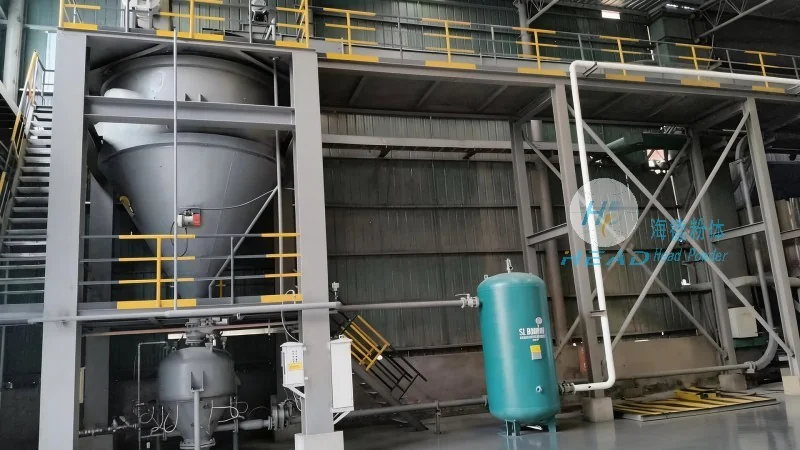
Key Components of Sorghum Material Conveying Systems
The sorghum material conveying system typically consists of several interconnected components designed to handle the grain from reception to processing. These components include hoppers for initial storage, conveyors (such as belt conveyors or screw conveyors) for transporting the grain, and control systems for regulating the flow. The hoppers are usually equipped with feeding mechanisms, such as rotary valves or feeders, to ensure a consistent and controlled flow of sorghum into the conveying system. The conveyors are engineered to handle the specific characteristics of sorghum, including its size, moisture content, and density, to prevent material buildup or blockages.
Operation Process of Sorghum Material Conveying
The operation process of a sorghum material conveying system begins with the reception of raw sorghum into the storage hopper. The grain is then discharged from the hopper into the conveyor system through the feeding mechanism. The conveyor transports the sorghum to the next processing stage, such as cleaning, drying, or milling. The speed and direction of the conveyor are controlled by the system's control panel, which adjusts based on real-time monitoring of the material flow. This control ensures that the sorghum moves at an optimal rate, preventing overloading or underloading of the system. The process continues until the sorghum reaches the final processing unit, where it is further processed according to the intended application.
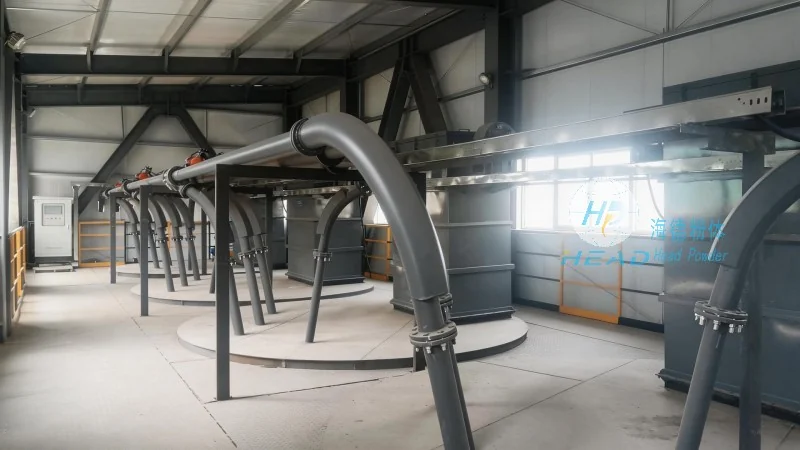
Working Principle of the Conveying Mechanism
The working principle of the sorghum material conveying system relies on mechanical energy to move the grain from one location to another. For belt conveyors, a motor-driven pulley system pulls a belt that carries the sorghum along a path. The belt is typically made of durable materials, such as rubber or polyurethane, to withstand the abrasiveness of the grain and resist wear and tear. Screw conveyors, on the other hand, use a rotating screw to push the sorghum forward. The screw's rotation creates a continuous motion that propels the grain through the conveyor tube. Both systems are designed to handle the specific physical properties of sorghum, such as its shape and density, to ensure efficient and reliable operation.
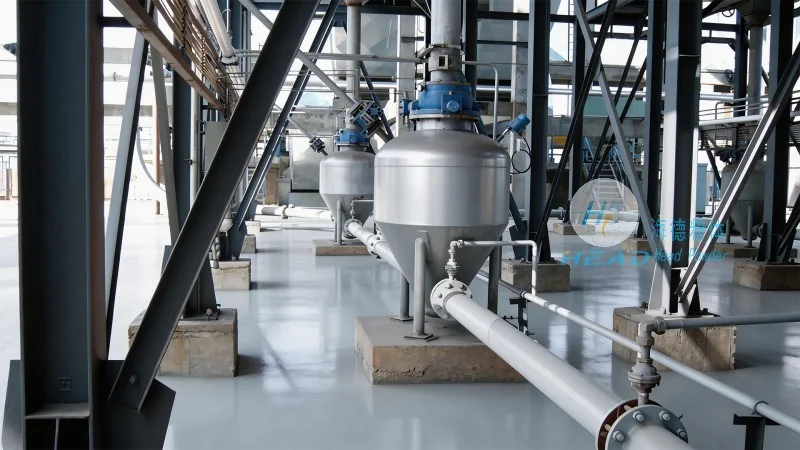
Control and Monitoring Systems
Modern sorghum material conveying systems are equipped with advanced control and monitoring systems to enhance operational efficiency and safety. These systems include sensors that detect the level of material in the hoppers and conveyors, as well as temperature and moisture sensors to monitor the grain's condition. The control panel integrates these sensors with the conveyor's motor and feeding mechanisms, allowing for real-time adjustments to the system's operation. For example, if the hopper level is low, the system can automatically adjust the feeder speed to maintain a consistent flow. Similarly, if the grain temperature is too high, the system can activate cooling mechanisms to prevent spoilage. This integration of sensors and controls ensures that the conveying process is optimized for both efficiency and product quality.
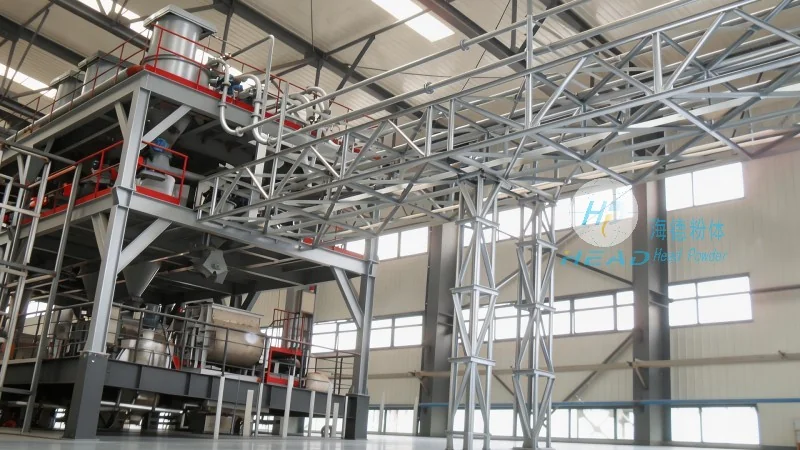
Maintenance and Troubleshooting
To ensure the long-term reliability of sorghum material conveying systems, regular maintenance is essential. This includes routine inspections of the conveyor belts, screw mechanisms, and hopper liners for signs of wear or damage. Lubrication of moving parts is also crucial to reduce friction and extend the lifespan of the components. Additionally, the system's control panel should be checked regularly to ensure that all sensors and controls are functioning correctly. Troubleshooting procedures are also important to address common issues, such as blockages or belt slippage. By following a regular maintenance schedule and using proper troubleshooting techniques, the system can operate at peak performance, minimizing downtime and maximizing productivity.
Conclusion
Sorghum material conveying systems are essential components of modern grain processing operations, providing efficient and reliable transportation of sorghum from storage to processing. The operation process and working principle of these systems involve a combination of mechanical components, control systems, and monitoring technologies that work together to optimize the handling of sorghum. By understanding the key components, operational steps, and maintenance requirements, users can ensure that their sorghum material conveying systems operate efficiently and effectively, contributing to overall production success. For those seeking reliable solutions for sorghum material handling, Shandong HeadPowder Engineering Co., Ltd. offers advanced systems designed to meet the specific needs of the industry.