

Activated Carbon Granule Material Handling: Operation Process and Working Principle
Activated carbon granule material handling is a critical process in various industrial applications, particularly in sectors that rely on the efficient transport and processing of activated carbon. This article provides a detailed overview of the operation process and working principle behind the handling of activated carbon granules, highlighting the key components, mechanisms, and operational considerations involved. The discussion is centered around the expertise and solutions offered by Shandong HeadPowder Engineering Co., Ltd., a leading provider in this field.
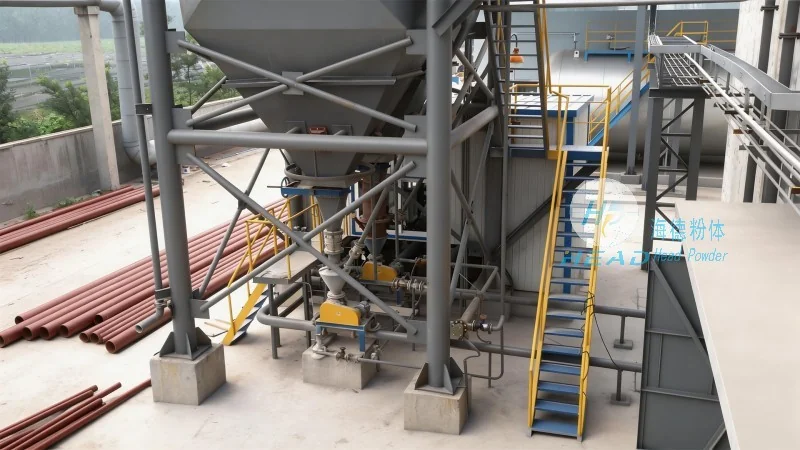
Key Components in Activated Carbon Granule Material Handling Systems
The operation of activated carbon granule material handling systems typically involves several essential components that work in concert to ensure efficient and reliable transport. These components include feed hoppers, conveyor systems (such as belt conveyors or screw conveyors), storage silos, and control panels. The feed hopper is responsible for receiving the activated carbon granules from storage or production areas, ensuring a consistent flow of material into the handling system. Conveyor systems are then used to transport the granules to their intended destination, whether it be a processing unit, a storage area, or a point of use. Storage silos are often integrated to provide intermediate storage, allowing for smooth operation even during periods of high demand or production fluctuations. Control panels play a crucial role in monitoring and regulating the entire system, ensuring that the flow rate, pressure, and other parameters remain within optimal ranges.
The Working Principle of Activated Carbon Granule Material Handling
The working principle of activated carbon granule material handling systems is based on the principles of mechanical transport and material flow management. The process begins with the activation of the granules, which are typically produced through processes like carbonization and activation. Once activated, the granules are collected and fed into the handling system. The feed hopper uses gravity or mechanical means to transfer the granules into the conveyor system. Conveyor systems, such as belt conveyors, utilize a continuous belt to move the granules along a predetermined path. The speed and tension of the belt are carefully controlled to maintain the desired flow rate and prevent material spillage or blockages. Screw conveyors, on the other hand, use a rotating screw to push the granules forward, which is particularly effective for handling materials with a higher moisture content or those that tend to stick together. The control panel continuously monitors the system's performance, adjusting the speed of the conveyor or the feed rate from the hopper as needed to maintain a stable flow. This closed-loop control system ensures that the handling process is efficient, consistent, and minimizes downtime or material loss.
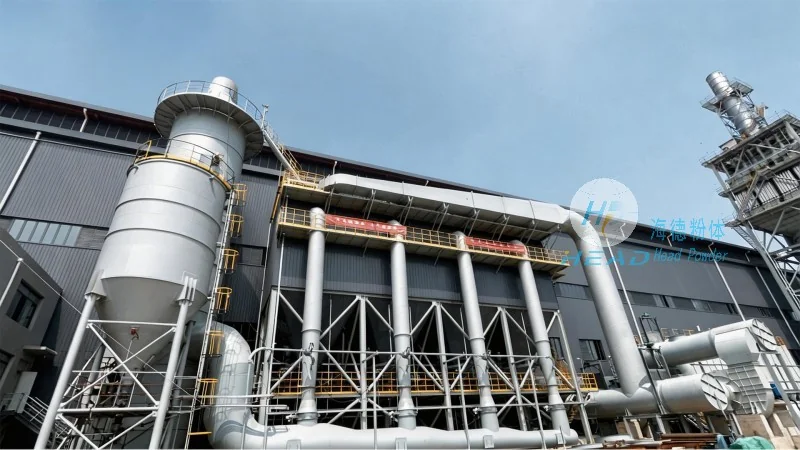
Operational Process Flow in Activated Carbon Granule Handling
The operational process flow in activated carbon granule material handling involves several sequential steps that ensure the smooth and efficient movement of the material. The first step is the collection of activated carbon granules from the production or storage area. The granules are then transferred into the feed hopper, where they are held in a storage bin. From the hopper, the granules are fed into the conveyor system. The conveyor transports the granules to the next stage of processing or storage. If the system includes a storage silo, the granules may be transferred from the conveyor to the silo for intermediate storage. The control panel monitors the entire process, ensuring that the flow rate from the hopper to the conveyor is consistent and that the conveyor is operating at the correct speed. Any deviations in the flow rate or conveyor speed are detected by sensors and corrected by the control system. This ensures that the material is handled without any blockages or spills, maintaining the integrity of the granules and preventing any damage to the equipment. The process concludes when the granules reach their final destination, whether it is a processing unit, a storage area, or a point of use. Throughout the entire process, the system operates under the guidance of the control panel, which adjusts parameters as needed to maintain optimal performance.
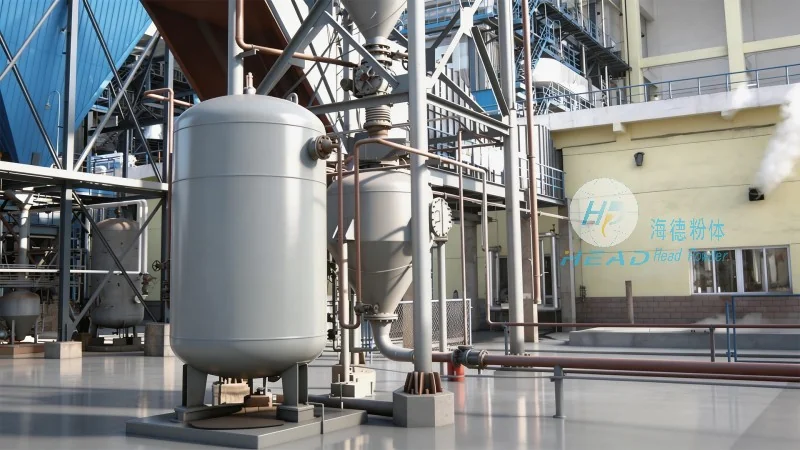
Key Considerations for Efficient Activated Carbon Granule Handling
Efficient handling of activated carbon granules requires careful consideration of several factors to ensure optimal performance and minimize operational issues. One of the primary considerations is the material's properties, such as its size, shape, and moisture content. Activated carbon granules are typically small and porous, which can lead to issues like caking or sticking together if not handled properly. To address this, the handling system may include features like vibration mechanisms or air knives to prevent blockages and ensure smooth flow. Another important consideration is the system's capacity and throughput. The conveyor speed and hopper size must be matched to the production rate to avoid overloading or underutilization of the equipment. Additionally, the system's design must account for the potential for dust generation, as activated carbon is a fine material that can create airborne particles. Proper dust collection and ventilation systems are essential to maintain a safe and clean working environment. Maintenance is also a critical aspect of efficient handling, as regular inspection and maintenance of components like bearings, belts, and screws can prevent breakdowns and extend the system's lifespan. By addressing these considerations, the activated carbon granule handling system can operate efficiently, reliably, and with minimal downtime.
Conclusion and Company Overview
In conclusion, the operation process and working principle of activated carbon granule material handling are complex yet essential for the efficient processing and use of activated carbon in various industrial applications. The systems involve a combination of mechanical components and control mechanisms that work together to ensure the smooth transport of granules. Shandong HeadPowder Engineering Co., Ltd. specializes in the design, manufacturing, and implementation of such handling systems, leveraging years of experience and expertise to provide tailored solutions for their clients. With a focus on efficiency, reliability, and safety, HeadPowder's systems are designed to meet the specific needs of different industries, ensuring that activated carbon granules are handled with precision and care. The company's commitment to quality and innovation has made it a trusted partner in the field of activated carbon processing and material handling. Based in Shandong, China, HeadPowder continues to advance the technology and practices in activated carbon granule handling, contributing to the growth and success of its clients in various sectors.