

Operation Process and Working Principle of Metering Bin Pump Powder Pneumatic Conveying System
For industries dealing with bulk powder materials, efficient and reliable material handling is crucial to maintaining production efficiency and product quality. The metering bin pump powder pneumatic conveying system, a key component in modern material handling technology, offers a solution that combines precision, control, and flexibility. This article delves into the operation process and working principle of such a system, highlighting its benefits and the role it plays in industrial applications.
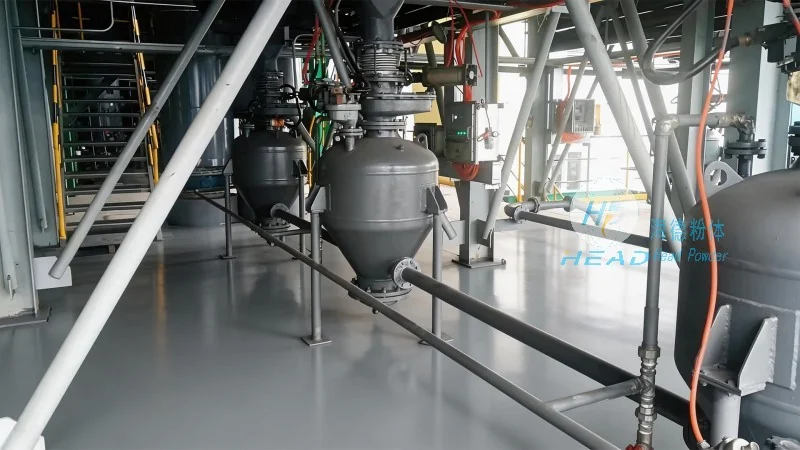
Overview of the Metering Bin Pump System
The metering bin pump, also known as a pressure bin pump, is a specialized equipment designed for the pneumatic conveying of bulk powders. It integrates a storage bin, a metering mechanism, and a pumping unit to ensure accurate and controlled material transfer. The system is widely used in sectors like chemical, food, pharmaceutical, and cement industries, where precise dosing and consistent flow are essential.
Key Components and Their Functions
Understanding the working principle of the metering bin pump system begins with its key components. Each part plays a critical role in the overall operation. The main components include the storage hopper, the metering valve, the pump body, the air compressor, and the conveying pipeline. The storage hopper holds the bulk powder, providing a stable source of material. The metering valve, often a rotary or slide valve, controls the flow rate of the powder into the pump. The pump body generates the necessary pressure to move the powder through the pipeline. The air compressor supplies compressed air to create the pneumatic pressure required for conveying. The conveying pipeline transports the powder from the source to the destination.
The Operation Process: Step-by-Step
The operation of the metering bin pump system follows a systematic process to ensure efficient material transfer. The steps are as follows:
1. Material Loading: The bulk powder is loaded into the storage hopper. The hopper is designed with a sloped bottom to facilitate material flow and prevent clogging.
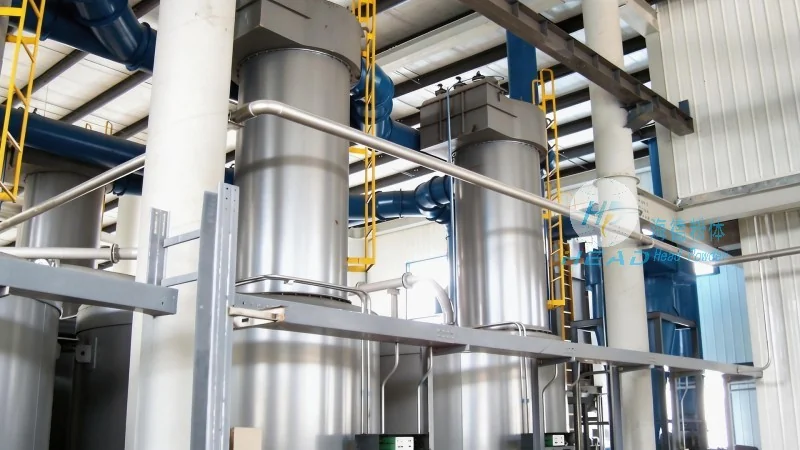
2. Metering and Dosing: The metering valve opens to allow a controlled amount of powder to enter the pump body. The valve's rotation or sliding action determines the flow rate, ensuring precise dosing. This step is crucial for applications requiring exact material quantities, such as in chemical mixing or pharmaceutical production.
3. Pumping and Conveying: Once the metering valve releases the powder into the pump, the pump body generates high-pressure air. The compressed air mixes with the powder, creating a slurry that is forced through the conveying pipeline. The pressure and air flow rate are carefully controlled to maintain consistent material transport.
4. Delivery to Destination: The powder is transported through the pipeline to the receiving hopper or processing unit. The system can handle long-distance conveying with minimal pressure loss, thanks to the efficient design of the pump and pipeline.
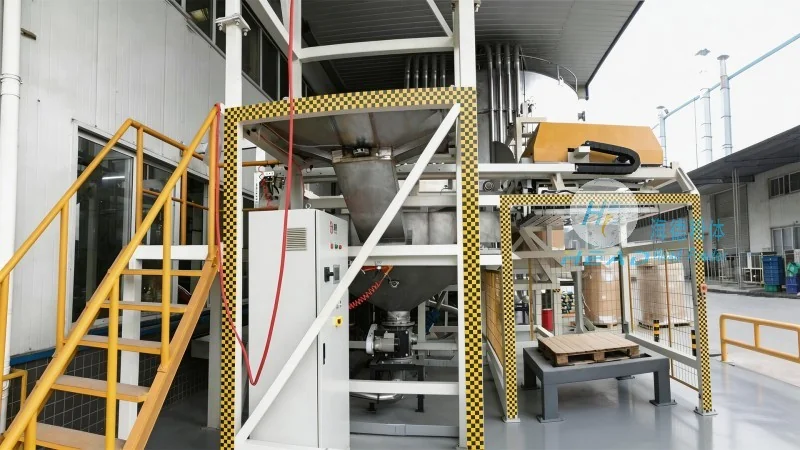
5. System Shutdown and Maintenance: After the material transfer is complete, the system is shut down. Regular maintenance, including cleaning the hopper, checking the metering valve, and inspecting the pump for wear, is essential to ensure long-term reliability and performance.
Working Principle: How It Works
The working principle of the metering bin pump system is based on the principles of pneumatic conveying and pressure bin technology. The system operates by creating a pressure differential between the storage hopper and the receiving point. The metering valve controls the amount of powder entering the pump, while the pump body uses compressed air to propel the material through the pipeline. The air-powder mixture is then transported to the destination, where the air is separated from the powder, and the powder is collected.
In detail, the process involves the following mechanisms:
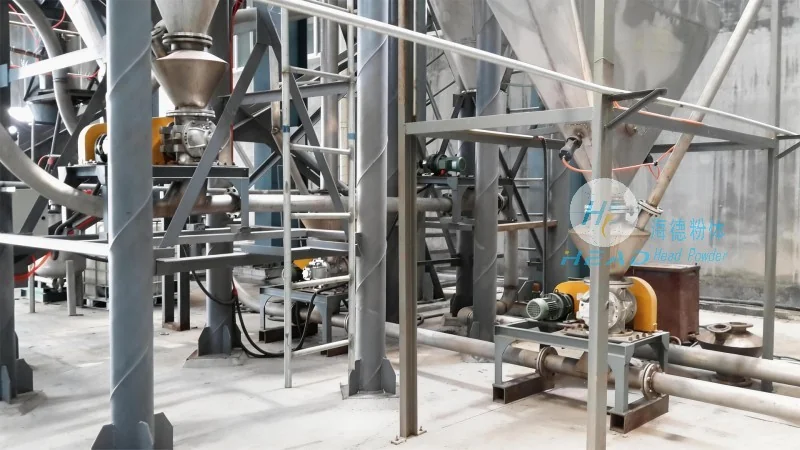
1. Air Compression: The air compressor generates high-pressure air, typically ranging from 0.5 to 1.0 MPa, depending on the material and conveying distance.
2. Powder-Air Mixing: The compressed air is introduced into the pump body, where it mixes with the powder from the metering valve. This creates a dense phase flow, which is more efficient than dilute phase flow for long-distance conveying.
3. Pressure Generation: The pump body, often a positive displacement pump, generates the necessary pressure to move the air-powder mixture through the pipeline. The pressure is maintained throughout the conveying process to ensure consistent flow.
4. Conveying and Separation: The mixture travels through the pipeline to the receiving hopper. At the destination, a separator or cyclone separates the air from the powder, allowing the powder to be collected and the air to be recirculated or vented.