

Operation Process and Working Principle of Cotton Fiber Powder Pneumatic Conveying System
For industrial applications involving the handling of cotton fiber powders, efficient and reliable material transport is crucial. The pneumatic conveying system for cotton fiber powders, developed by Shandong HeadPowder Engineering Co., Ltd., represents a sophisticated solution designed to meet these demands. This system integrates advanced engineering principles to ensure optimal performance in transporting cotton fiber powders from source to destination, while maintaining product integrity and operational efficiency.
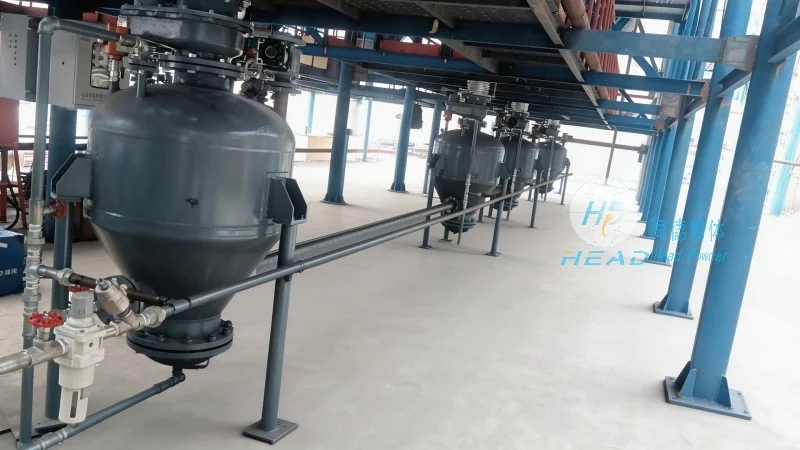
Overview of the Pneumatic Conveying System for Cotton Fiber Powders
The pneumatic conveying system for cotton fiber powders is engineered to handle the unique characteristics of cotton fiber materials, such as their light weight, low bulk density, and potential for static electricity. The system utilizes a combination of air flow and pressure differentials to move the powder through a network of pipes and components. This approach eliminates the need for mechanical components like belts or buckets, reducing maintenance requirements and minimizing the risk of contamination.
Key Components and Their Functions
The system consists of several critical components that work in tandem to facilitate the transport of cotton fiber powders. These include a material feed hopper, a rotary airlock valve, a conveying line, a dust separator, and a receiver. Each component plays a specific role in the overall operation:
The material feed hopper is designed to store and feed the cotton fiber powder into the system. It typically features a hopper with a conical bottom to ensure uniform material flow. The rotary airlock valve, positioned at the outlet of the hopper, controls the discharge of the powder into the conveying line. This valve prevents backflow of air and ensures a steady flow of material.
The conveying line is the main pathway for the cotton fiber powder, consisting of pipes with appropriate diameters and bends to accommodate the material's characteristics. The system may use positive or negative pressure, depending on the specific application requirements. Positive pressure systems blow air into the line, while negative pressure systems create a vacuum to draw the powder. The choice of pressure type is determined by factors such as the distance to be covered, the material's properties, and the system's energy efficiency.
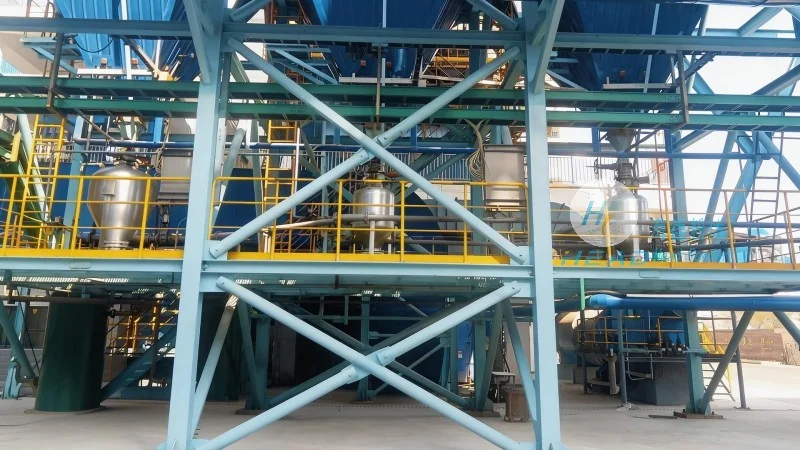
The dust separator is a critical component for maintaining air quality and preventing dust accumulation in the system. It typically uses cyclonic separation or filtration to remove fine particles from the air stream. The receiver, located at the end of the conveying line, collects the delivered cotton fiber powder, allowing for easy discharge and storage.
Operation Process of the Pneumatic Conveying System
The operation of the cotton fiber powder pneumatic conveying system follows a sequential process that ensures smooth and continuous material transport. The process begins with the loading of the cotton fiber powder into the material feed hopper. Once the hopper is filled, the rotary airlock valve opens, allowing the powder to enter the conveying line.
Simultaneously, the system's air compressor or vacuum pump generates the necessary air pressure or vacuum. The air is introduced into the conveying line, creating a flow that propels the cotton fiber powder along the pipe. As the powder travels through the system, it may encounter bends, valves, or other components that direct its path to the receiver.
The dust separator continuously removes any fine particles from the air stream, ensuring that the air discharged from the system is clean. The receiver collects the delivered cotton fiber powder, which can then be transferred to the next processing stage or stored for later use. The entire process is automated, with control systems monitoring and adjusting parameters such as air pressure, flow rate, and material feed rate to maintain optimal performance.
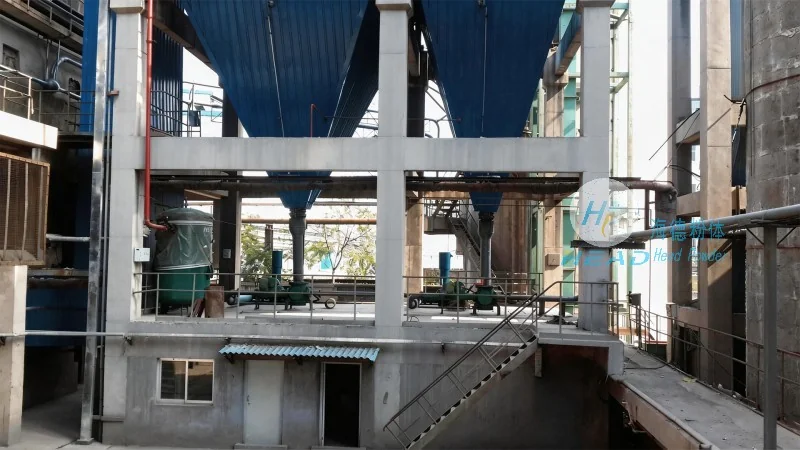
Working Principle of the Pneumatic Conveying System
The working principle of the cotton fiber powder pneumatic conveying system is based on the fundamental concept of using air as a medium to transport solid particles. The system operates by creating a pressure differential between the material feed point and the receiver. This differential causes the cotton fiber powder to be entrained in the air stream and carried through the conveying line.
In positive pressure systems, the air compressor supplies compressed air to the conveying line, creating a higher pressure at the inlet than at the outlet. The pressure difference propels the cotton fiber powder forward. The air and powder mixture then passes through the dust separator, where the powder is separated from the air. The air is then discharged, while the powder is collected in the receiver.
In negative pressure systems, the vacuum pump creates a lower pressure at the receiver end of the line. This pressure difference draws the cotton fiber powder and air into the line from the feed hopper. The mixture is then transported to the dust separator, where the powder is separated and collected in the receiver. The air is discharged from the system, completing the cycle.
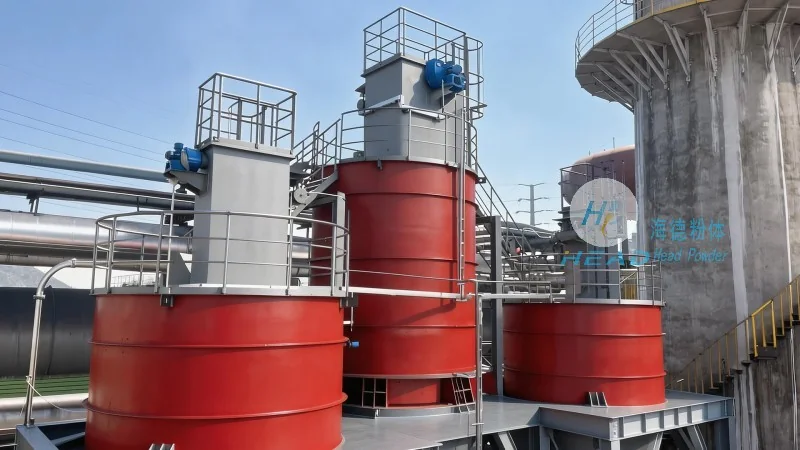
The efficiency of the pneumatic conveying system depends on several factors, including the air velocity, the particle size and density of the cotton fiber powder, and the length and diameter of the conveying line. Proper design and sizing of these components are essential to ensure that the system operates at optimal efficiency, minimizing energy consumption and maximizing material throughput.
Advantages of the Cotton Fiber Powder Pneumatic Conveying System
The pneumatic conveying system for cotton fiber powders offers several advantages over traditional mechanical conveying methods. These include reduced maintenance costs, as there are no moving parts in direct contact with the material. The system also minimizes the risk of contamination, as it operates in a closed environment. Additionally, the system can handle materials with high moisture content or those that are prone to static electricity, which are common challenges in cotton fiber processing.
Another key advantage is the ability to transport materials over long distances without the need for intermediate storage or transfer points. This enhances operational flexibility and reduces the overall footprint of the processing facility. The system also provides better control over the material flow rate, allowing for precise dosing and dosing control in downstream processes.
Conclusion
Shandong HeadPowder Engineering Co., Ltd. has developed a highly effective pneumatic conveying system for cotton fiber powders that addresses the unique challenges of handling this material. By integrating advanced engineering principles and components, the system ensures efficient, reliable, and cost-effective transport of cotton fiber powders. The operation process and working principle of the system are designed to maintain product integrity while minimizing operational costs, making it an ideal solution for industrial applications in the cotton processing industry.