

Operation Process and Working Principle of Monosodium Glutamate Powder Pneumatic Conveying System
Monosodium glutamate (MSG), commonly known as MSG, is a widely used flavor enhancer in the food industry. The efficient and reliable transportation of MSG powder from storage to processing units is crucial for maintaining production efficiency and product quality. Pneumatic conveying systems have become a preferred solution for handling such powders due to their ability to transport materials in a closed system, minimizing dust and contamination risks. This article provides an in-depth look at the operation process and working principle of a monosodium glutamate powder pneumatic conveying system, highlighting the key components, operational steps, and the role of Shandong HeadPowder Engineering Co., Ltd. as a leading provider in this field.
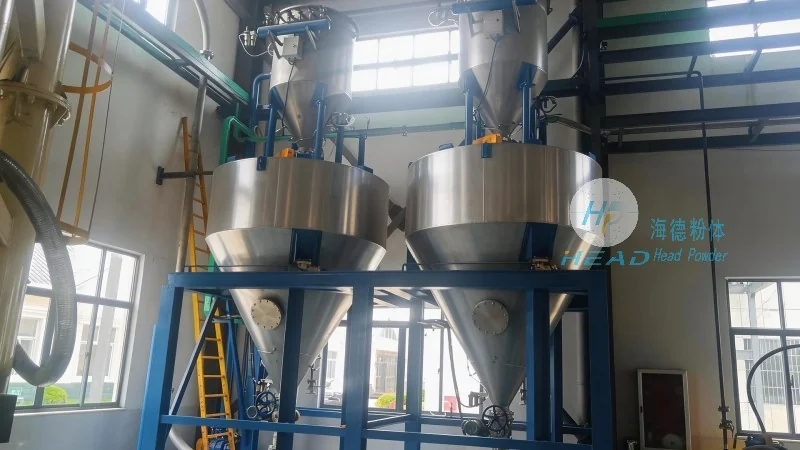
Overview of Pneumatic Conveying Systems for MSG Powder
Pneumatic conveying systems utilize air or gas to transport bulk materials like MSG powder through a network of pipes. These systems can be categorized into two main types: positive pressure (or pressure) systems and negative pressure (or vacuum) systems. Positive pressure systems force air and material through the system using a blower or compressor, while negative pressure systems create a vacuum to draw material into the system. For MSG powder, which is hygroscopic and sensitive to moisture, a well-designed positive pressure system is often preferred as it offers better control over moisture content and reduces the risk of material degradation.
Key Components of the Pneumatic Conveying System
The monosodium glutamate powder pneumatic conveying system typically consists of several critical components that work in tandem to ensure smooth operation. These include:
1. Storage Silo or Hopper: The system starts with a storage silo or hopper where the MSG powder is stored. The design of the silo, often equipped with a discharge valve or rotary valve, allows for controlled release of the material into the conveying line.
2. Conveying Line and Pipe Network: The main body of the system consists of a network of pipes that transport the powder. The pipe material is usually stainless steel or food-grade plastic to prevent contamination and ensure durability. The pipe diameter and length are carefully selected based on the material's flow characteristics and the required conveying distance.
3. Air Supply Unit (Blower or Compressor): This component generates the necessary air pressure to move the powder. For positive pressure systems, a blower is used to force air through the system, while a compressor may be employed for longer distances or higher material loads. The air supply unit is typically equipped with filters to remove moisture and particulates, ensuring clean air for conveying.
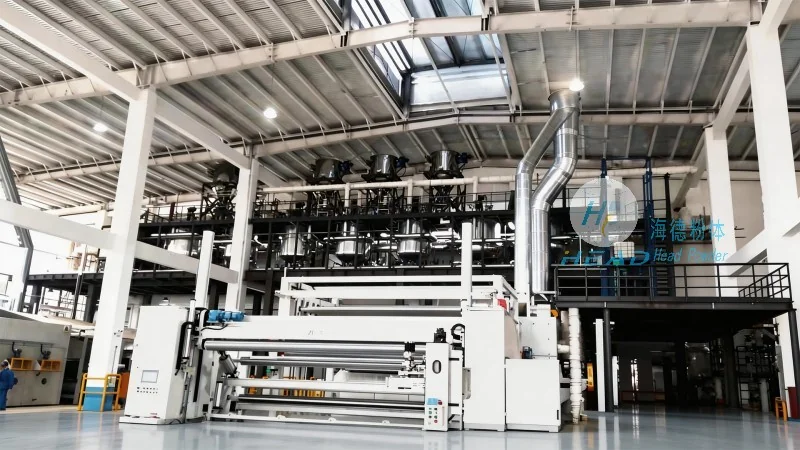
4. Material Feed Device: A rotary valve or a star feeder is used to feed the MSG powder into the conveying line. These devices regulate the flow rate of the material, preventing overloading and ensuring consistent material delivery.
5. Control System: An automated control system monitors and controls the operation of the conveying system. This includes sensors for pressure, flow rate, and material level, as well as control panels that allow operators to adjust parameters such as air pressure and feed rate in real-time.
Working Principle of the Pneumatic Conveying Process
The operation of the monosodium glutamate powder pneumatic conveying system follows a systematic process that ensures efficient material transport. The steps involved are as follows:
1. Material Preparation: The MSG powder is stored in the silo, and the system is checked for proper functioning. The rotary valve is set to the desired feed rate, and the blower is started to generate the required air pressure.
2. Material Inception: The rotary valve opens, allowing the MSG powder to enter the conveying line. Simultaneously, the blower supplies air, creating a flow that carries the powder particles forward.
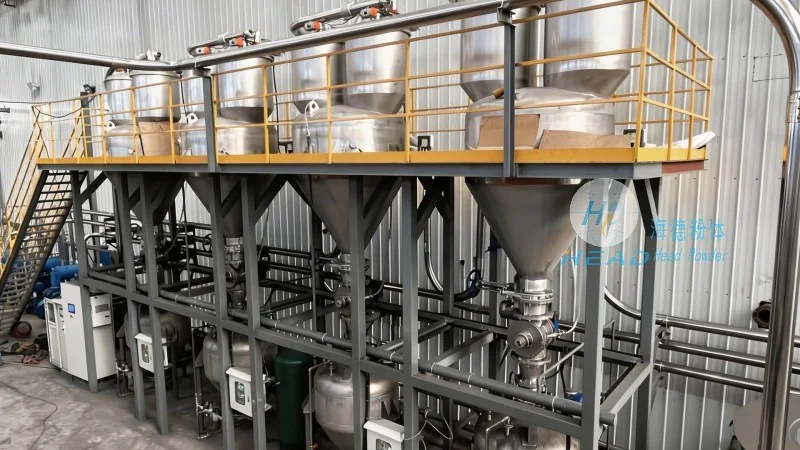
3. Conveying Phase: The powder is carried through the pipe network by the air stream. The velocity of the air is maintained above the material's terminal velocity to prevent particle settling. The system's design ensures that the powder remains suspended in the air, minimizing friction and wear on the pipes.
4. Delivery and Discharge: The conveyed MSG powder reaches the destination silo or processing unit. The air and powder mixture is separated using a cyclone separator or a filter, and the powder is collected in the receiving container. The air is then filtered and recycled back into the system.
Operational Process and Control
The operation of the pneumatic conveying system is managed by an automated control system that ensures optimal performance. Operators can monitor key parameters such as pressure, flow rate, and material level in real-time. The control system adjusts the blower speed or feed rate as needed to maintain consistent conveying efficiency. For example, if the pressure drops, the system can automatically increase the air supply to prevent material blockages. Similarly, if the feed rate is too high, the system can reduce the air pressure to avoid overloading the pipes.
Role of Shandong HeadPowder Engineering Co., Ltd.
Shandong HeadPowder Engineering Co., Ltd., operating under the brand name headpowder, is a leading manufacturer and supplier of pneumatic conveying systems for the food industry. With a strong focus on quality and innovation, the company has developed specialized solutions tailored to the unique requirements of MSG powder handling. Their systems are designed to meet strict food safety standards, ensuring that the MSG powder remains free from contamination and maintains its quality throughout the conveying process. The company's expertise in material flow dynamics and system integration allows them to provide customized solutions that enhance the efficiency and reliability of their clients' production lines.
Benefits of Using a Pneumatic Conveying System for MSG Powder
Implementing a pneumatic conveying system for monosodium glutamate powder offers several advantages over traditional methods such as bucket elevators or belt conveyors. These benefits include:
1. Reduced Dust and Contamination: The closed system design minimizes dust generation and exposure, improving workplace safety and maintaining product purity.
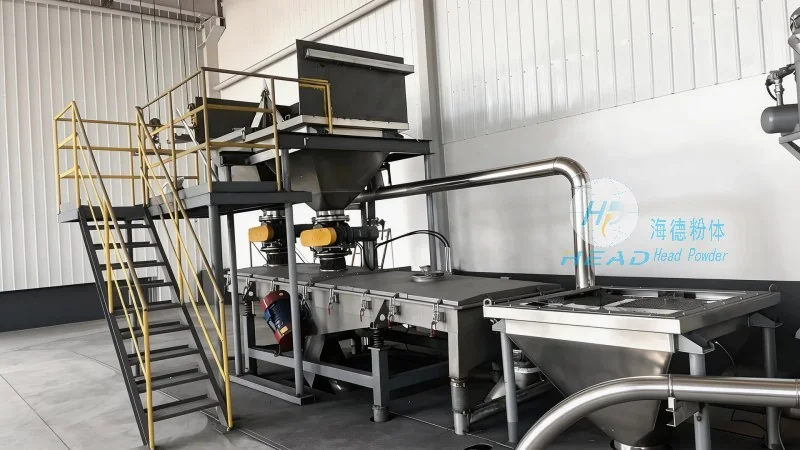
2. Improved Material Handling Efficiency: Pneumatic systems can transport materials over longer distances with less energy consumption compared to mechanical systems, leading to higher overall efficiency.
3. Enhanced Product Quality: By maintaining a controlled environment and minimizing exposure to moisture and air, the system helps preserve the flavor and quality of the MSG powder.
4. Flexibility and Scalability: The modular design of pneumatic conveying systems allows for easy expansion or modification as production needs change. This flexibility is particularly valuable for food processing facilities that may need to adjust their operations over time.
Maintenance and Troubleshooting
To ensure the long-term reliability of the monosodium glutamate powder pneumatic conveying system, regular maintenance is essential. Shandong HeadPowder Engineering Co., Ltd. provides comprehensive maintenance services and support to their clients. Common maintenance tasks include cleaning the conveying lines, replacing filters, and inspecting the blower and feed devices. Troubleshooting procedures are also provided to address common issues such as blockages, pressure drops, or material leakage. By following the manufacturer's guidelines and performing regular maintenance, the system can operate efficiently for many years, providing consistent performance and minimizing downtime.
Conclusion
The monosodium glutamate powder pneumatic conveying system is a sophisticated and efficient solution for transporting MSG powder in the food industry. By understanding the working principle and operational process, as well as the role of companies like Shandong HeadPowder Engineering Co., Ltd., users can make informed decisions about implementing such systems. The benefits of reduced contamination, improved efficiency, and enhanced product quality make pneumatic conveying an attractive option for food processing facilities. With proper design, operation, and maintenance, these systems can significantly contribute to the overall productivity and success of MSG production operations.