

Operation Process and Working Principle of Fine Chemical Powder Pneumatic Conveying Lines
Shandong HeadPowder Engineering Co., Ltd., commonly known as headpowder, specializes in the design, manufacturing, and installation of advanced pneumatic conveying systems tailored for fine chemical powders. With a focus on precision and efficiency, the company's solutions are engineered to meet the stringent requirements of the chemical industry, ensuring reliable material handling and process optimization.
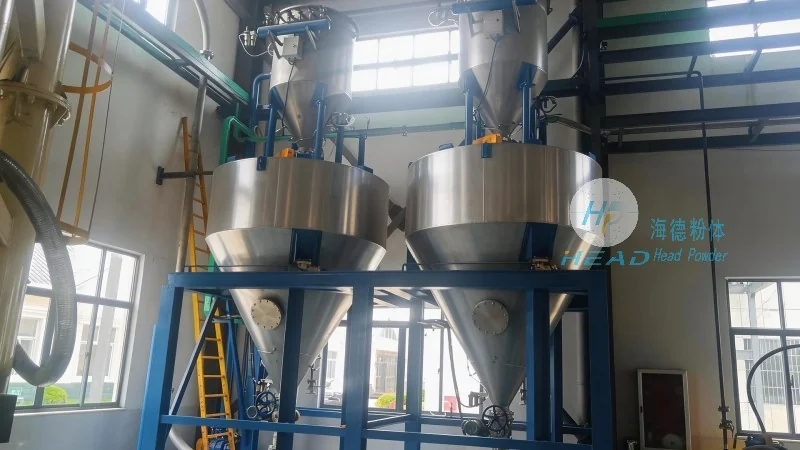
Operation Process of Fine Chemical Powder Pneumatic Conveying Lines
The operation of a fine chemical powder pneumatic conveying line involves a systematic sequence of steps that ensure the safe and efficient transport of powders from the source to the destination. The process typically begins with the preparation of the material, where the powder is loaded into the hopper or storage silo. From there, the material is fed into the conveying system through a feeder, which controls the flow rate to maintain consistent pressure and flow within the pipeline. The conveying medium, usually compressed air or a combination of air and gas, is introduced into the system to create a flow that propels the powder particles through the pipeline. As the powder travels, it experiences various stages of acceleration and deceleration, depending on the system design, to ensure uniform distribution and minimal particle degradation. The receiving hopper or storage tank at the end of the line collects the material, completing the transport cycle. Throughout the operation, monitoring systems track pressure, flow rate, and temperature to maintain optimal performance and prevent system failures.
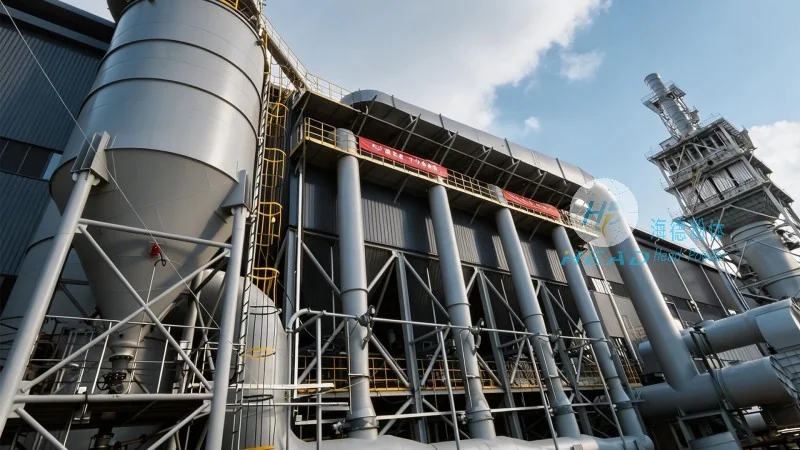
Working Principle of Fine Chemical Powder Pneumatic Conveying Lines
The working principle of a fine chemical powder pneumatic conveying line is based on the fundamental principles of fluid dynamics and particle transport. The system operates by creating a pressure differential between the inlet and outlet of the pipeline, which generates a flow of the conveying medium. This flow entrains the powder particles, forming a slurry or suspension that moves through the system. The key components of the system, including the feeder, pipeline, and receiver, work in concert to achieve this transport. The feeder ensures a steady supply of powder, while the pipeline provides the path for the flow. The receiver collects the material and may include features such as dust collection and filtration to maintain product purity. The entire system is designed to handle fine powders, which are prone to caking and agglomeration, by using low-pressure or high-pressure systems, depending on the material characteristics and transport distance. The use of appropriate air velocities and pipeline diameters is critical to prevent particle separation and ensure smooth operation.
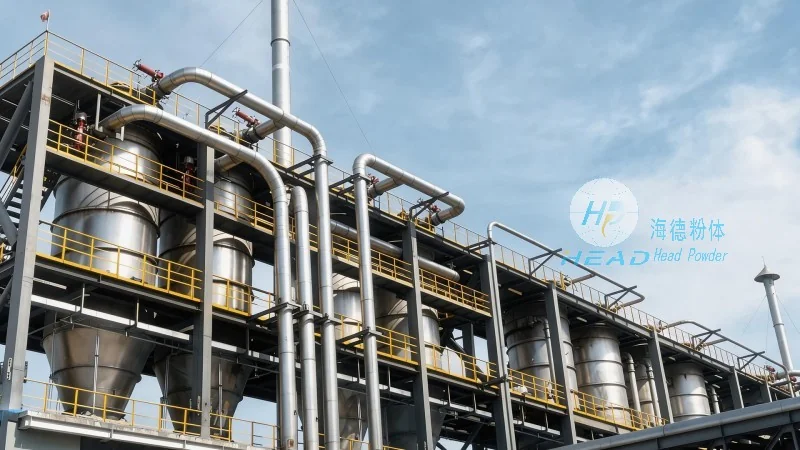
Advantages of Fine Chemical Powder Pneumatic Conveying Systems
HeadPowder's pneumatic conveying systems offer several advantages for the fine chemical industry. These include high efficiency in material transport, reduced product contamination due to enclosed systems, and the ability to handle a wide range of powder types, from low to high density. The systems are also designed for easy integration into existing production lines, minimizing downtime and installation costs. Additionally, the use of advanced control systems allows for real-time monitoring and adjustment, ensuring optimal performance and process reliability. The company's expertise in material handling ensures that each system is tailored to the specific needs of the client, resulting in customized solutions that enhance productivity and reduce operational costs.