

Operation Process and Working Principle of Hydrogen Sulfide Powder Pneumatic Conveying Line
HeadPowder, a leading engineering company based in Shandong, China, specializes in the design, manufacturing, and installation of advanced pneumatic conveying systems. Among their portfolio is the hydrogen sulfide powder pneumatic conveying line, a critical solution for safely and efficiently transporting hydrogen sulfide powder in industrial applications. This article provides a detailed overview of the operation process and working principle of such systems, highlighting the technical aspects and operational considerations.
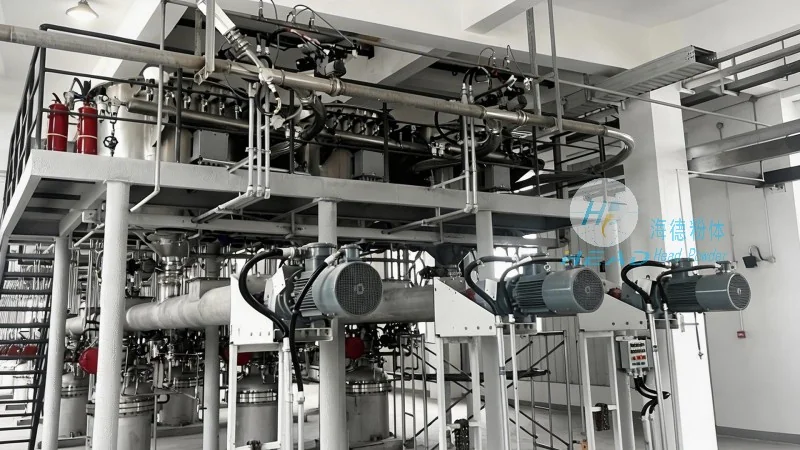
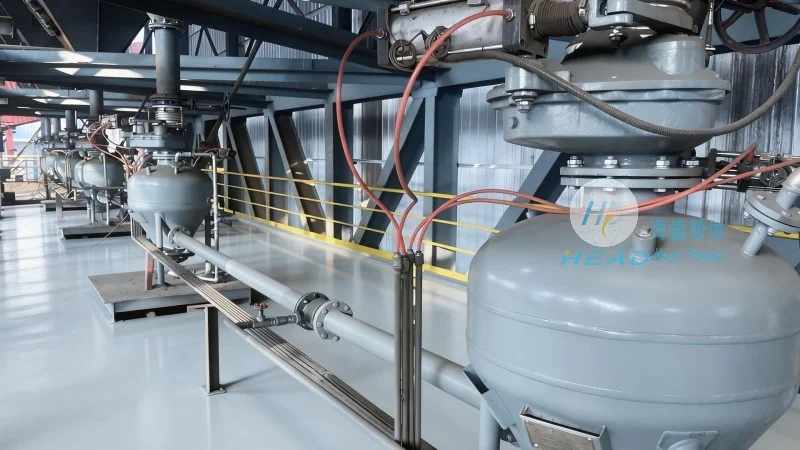
Working Principle of Hydrogen Sulfide Powder Pneumatic Conveying Lines
The core of a hydrogen sulfide powder pneumatic conveying line is the pneumatic conveying technology, which utilizes compressed air to transport solid particles through a pipeline. The system typically consists of several key components, including a material hopper, a rotary valve (or feeder), a conveying pipeline, a filter system, and a dust collection unit. The process begins with the material being fed from the hopper into the pipeline via the rotary valve. Compressed air is then introduced into the pipeline, creating a flow that lifts and transports the powder particles. The air-particle mixture travels through the pipeline to the destination point, where it is separated from the air using a filter or cyclone separator. The separated powder is collected in a receiving hopper, while the air is either recirculated or vented to the atmosphere after being filtered to remove any residual particles.
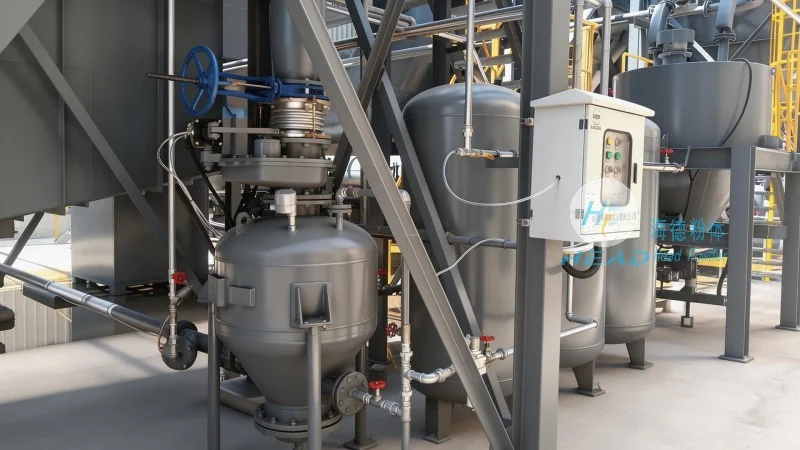
Operation Process of Hydrogen Sulfide Powder Pneumatic Conveying Lines
The operation of a hydrogen sulfide powder pneumatic conveying line involves a series of controlled steps to ensure safe and efficient material transport. First, the material is loaded into the hopper from the storage silo or bulk container. The rotary valve then regulates the flow of powder into the conveying pipeline, controlling the feed rate to match the system's capacity. Compressed air is supplied to the pipeline at a pressure and flow rate appropriate for the material's characteristics and the system's design. As the air flows through the pipeline, it entrains the powder particles, forming a dense phase or dilute phase flow, depending on the system configuration. The conveying line may include bends, vertical sections, or horizontal runs, all designed to minimize pressure drop and ensure smooth material movement. At the receiving end, the air-particle mixture enters a filter or separator, where the powder is captured and collected in a receiving container. The filtered air is then either returned to the system for recirculation or discharged to the environment after being cleaned of any particles. The entire process is typically automated, with sensors and control systems monitoring parameters such as pressure, flow rate, and material level to maintain optimal operation and prevent issues like blockages or overloading.
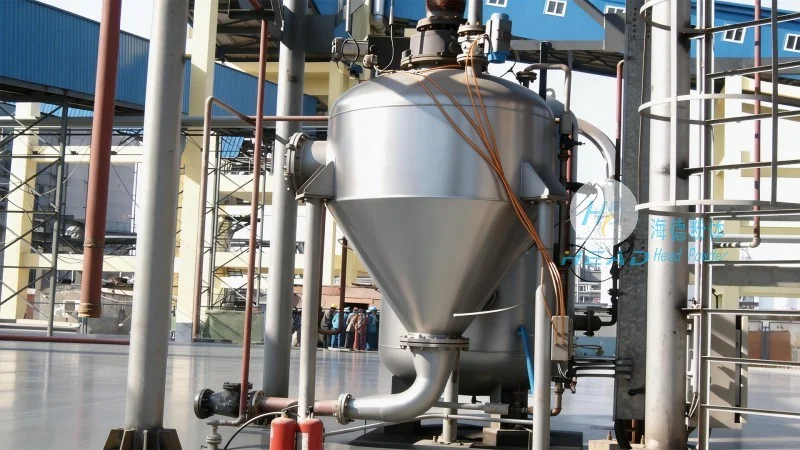
Technical Features and Advantages
HeadPowder's hydrogen sulfide powder pneumatic conveying lines are engineered with several key features that enhance performance and safety. The system is designed to handle the corrosive and hazardous nature of hydrogen sulfide, using materials such as stainless steel or specialized coatings to protect against chemical attack and ensure durability. The pneumatic conveying technology offers advantages over traditional mechanical conveying methods, including reduced equipment wear, lower maintenance requirements, and the ability to transport materials over long distances without the need for multiple transfer points. The system also provides flexibility in material handling, allowing for the integration of multiple feeding or receiving points and the adaptation to varying production rates. Additionally, the use of compressed air as the conveying medium allows for precise control over the material flow, enabling consistent and reliable transport of the powder.