

Operation Process and Working Principle of Coal Ash Powder Pneumatic Conveying Machine
Shandong HeadPowder Engineering Co., Ltd., a leading manufacturer in the field of bulk material handling equipment, specializes in the design, production, and supply of advanced pneumatic conveying systems. Among their product portfolio is the coal ash powder pneumatic conveying machine, a critical piece of equipment used in various industrial applications where the efficient and safe transportation of fine powders like coal ash is required. This article provides a detailed overview of the operation process and working principle of this machine, highlighting its key features and benefits.
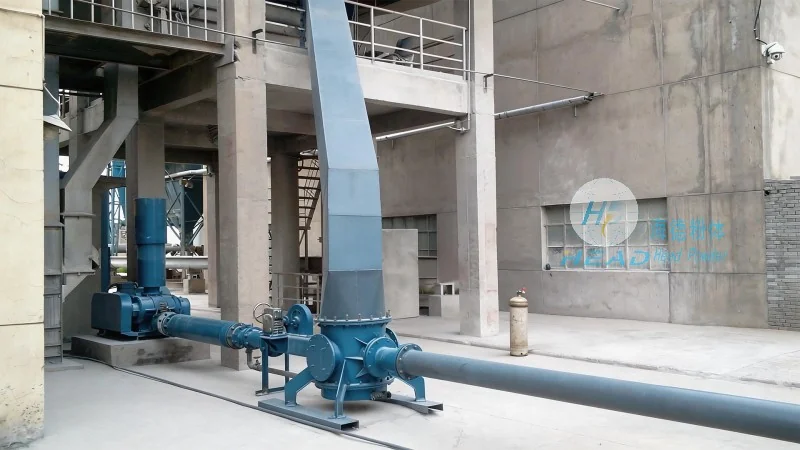
Product Overview: Coal Ash Powder Pneumatic Conveying Machine
Developed by Shandong HeadPowder Engineering Co., Ltd., the coal ash powder pneumatic conveying machine is engineered to handle the unique challenges associated with transporting coal ash, a byproduct of coal combustion. The machine is designed to ensure high efficiency, minimal product degradation, and reliable performance in demanding industrial environments. Key components include a hopper for material storage, a blower or compressor to generate the air flow, a pipeline system for conveying the material, and a discharge unit for delivering the coal ash to the target location. The system is typically equipped with features such as adjustable air flow control, pressure monitoring, and material flow indicators to optimize operation and prevent issues like blockages or excessive pressure.
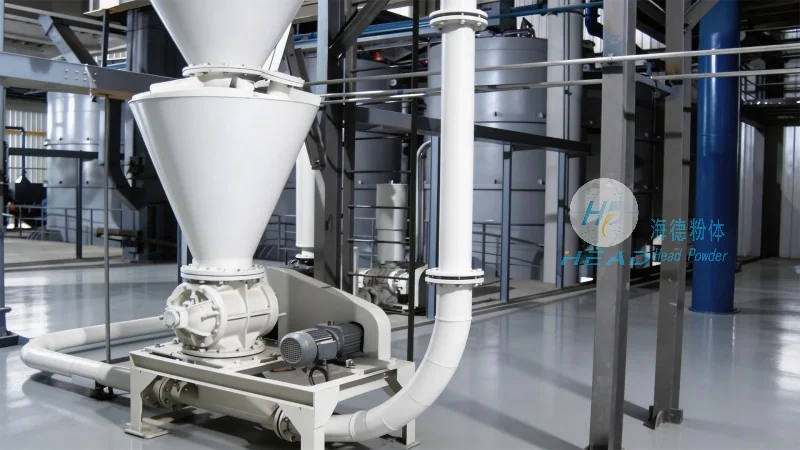
Operation Process of the Coal Ash Powder Pneumatic Conveying Machine
The operation of the coal ash powder pneumatic conveying machine involves several sequential steps that ensure the smooth and continuous transport of coal ash from the source to the destination. The process begins with the loading of coal ash into the hopper. The hopper is designed with a large opening to facilitate easy and rapid material feeding, and it may include a pre-screening or level control mechanism to maintain consistent material levels. Once the hopper is filled, the blower or compressor is activated to generate a high-pressure air stream. This air stream is then introduced into the pipeline system, creating a positive pressure environment that propels the coal ash particles forward. As the air flows through the pipeline, it entrains the coal ash particles, forming a dense slurry of air and material. The mixture travels through the pipeline network, which may include bends, valves, and other components, to reach the discharge point. At the discharge end, the air and coal ash mixture is separated, typically using a cyclone separator or a filter, to recover the coal ash and return the air to the system for reuse. The discharge unit then delivers the purified coal ash to the intended storage or processing facility. Throughout the operation, the system continuously monitors parameters such as air pressure, flow rate, and material level to ensure optimal performance and prevent any potential issues. The control system allows for real-time adjustments to maintain the desired conveying rate and prevent overloading or underloading of the system.
Working Principle of the Coal Ash Powder Pneumatic Conveying Machine
The working principle of the coal ash powder pneumatic conveying machine is based on the fundamental concept of pneumatic transport, where air is used as the conveying medium to move solid particles. The machine operates on the principle of fluidization, where the air flow through the pipeline creates a turbulent environment that suspends the coal ash particles in the air stream. This suspension allows the particles to be transported with minimal friction and resistance, resulting in high efficiency and low energy consumption. The blower or compressor provides the necessary pressure to overcome the resistance in the pipeline and to lift the coal ash particles from the hopper to the discharge point. The air flow rate is carefully controlled to maintain the optimal suspension of the coal ash particles, ensuring that they do not settle or clog the pipeline. The system may use different types of air flow, such as positive pressure (where the air is pushed through the pipeline) or negative pressure (where the air is pulled through the pipeline), depending on the specific application and the distance to be covered. The positive pressure system is commonly used for long-distance or high-capacity conveying, as it provides consistent pressure and flow rates. The negative pressure system, on the other hand, is suitable for short-distance or low-capacity applications and is often used in situations where the material needs to be collected from multiple sources. The working principle also involves the separation of the air and coal ash at the discharge end. The cyclone separator or filter uses centrifugal force to separate the coal ash particles from the air stream, allowing the air to be recycled back to the blower and the coal ash to be collected in a container or storage tank. This separation process is crucial for maintaining the purity of the coal ash and preventing the accumulation of dust or other contaminants in the system.
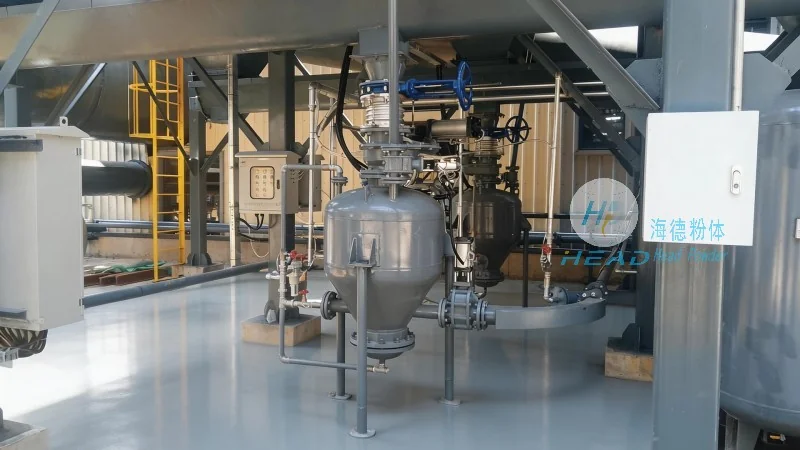
Key Features and Benefits of the Coal Ash Powder Pneumatic Conveying Machine
The coal ash powder pneumatic conveying machine from Shandong HeadPowder Engineering Co., Ltd. offers several key features and benefits that make it an ideal choice for industrial applications. One of the primary advantages is its high efficiency in transporting coal ash, which reduces the need for manual handling and minimizes the risk of dust exposure. The machine is designed to handle large volumes of coal ash, making it suitable for high-capacity operations in power plants, cement factories, and other industrial facilities. Another key feature is its ability to maintain the quality of the coal ash during transport. The system minimizes product degradation by using gentle air flow and avoiding direct contact with mechanical components, which can cause abrasion or breakage of the particles. The machine also provides excellent control over the conveying process, allowing operators to adjust the flow rate and pressure as needed to meet the specific requirements of the application. This flexibility makes the machine suitable for a wide range of industrial processes, from raw material transport to finished product delivery. Additionally, the system is designed for easy maintenance and operation, with accessible components and clear control panels that allow for quick troubleshooting and adjustments. The use of durable materials and robust construction ensures long-term reliability and minimal downtime, reducing the overall cost of ownership for the equipment. The machine also complies with industry standards and regulations, ensuring that it meets the safety and environmental requirements of various applications.