

Operation Process and Working Principle of Concrete Powder Pneumatic Conveying Machine
Concrete powder pneumatic conveying machines are critical equipment in the construction industry, enabling the efficient and safe transport of bulk dry materials such as cement, fly ash, and other fine powders. These systems utilize air as the conveying medium, offering advantages like low energy consumption, minimal material degradation, and the ability to handle diverse powder types. As a leading manufacturer, Shandong HeadPowder Engineering Co., Ltd. specializes in designing and producing high-performance concrete powder pneumatic conveying solutions tailored to meet the demands of modern construction projects.
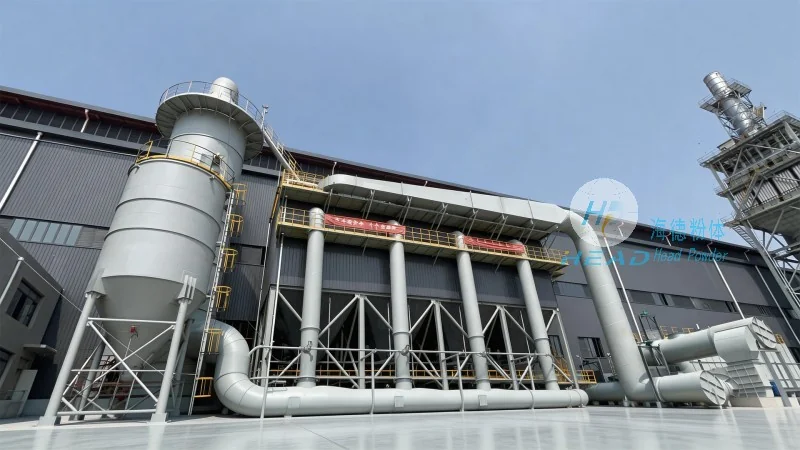
Company Profile: HeadPowder
HeadPowder, a brand under Shandong HeadPowder Engineering Co., Ltd., is a professional manufacturer based in Shandong, China. With extensive experience in engineering and manufacturing pneumatic conveying equipment, HeadPowder has built a reputation as a trusted supplier in the industry. The company focuses on delivering reliable, efficient, and cost-effective solutions for material handling, particularly in the construction sector where precise and consistent powder transport is essential for quality concrete production.
System Components and Overview
The concrete powder pneumatic conveying machine typically consists of several key components: a storage hopper, a blower or compressor, a pipeline network, and a discharge receiver. The hopper is designed to hold bulk concrete powder, ensuring a steady feed into the system. The blower or compressor generates the necessary airflow and pressure to move the material. The pipeline system connects the hopper to the discharge point, with fittings and valves to control flow direction and pressure. The receiver at the end collects the conveyed powder, often equipped with a dust separation mechanism to separate air from the powder.
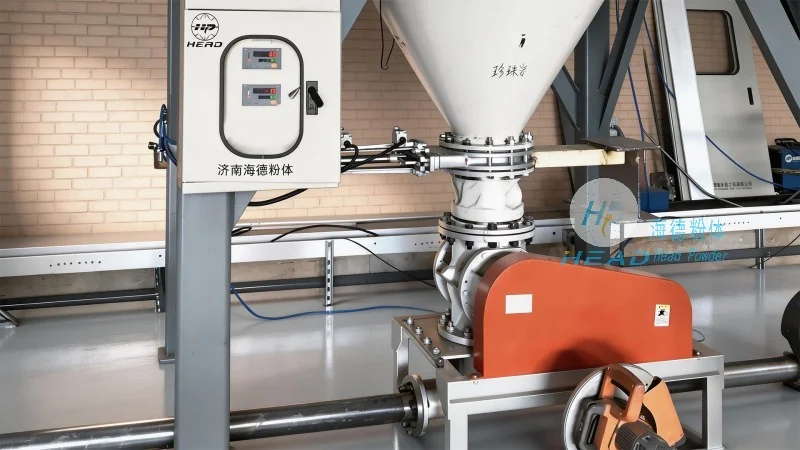
Working Principle: Pneumatic Transport Mechanism
The operation of a concrete powder pneumatic conveying machine is based on the principle of pneumatic transport. When activated, the blower creates a high-pressure air stream that enters the hopper. This air lifts the concrete powder particles and carries them along the pipeline. The air and powder mixture travels through the pipeline at controlled velocity, ensuring efficient transport without clogging. At the discharge end, a cyclone or other separator separates the air from the powder, allowing the powder to be collected in the receiver while the air is either recirculated or vented. This process enables continuous, controlled movement of concrete powder from storage to the point of use.
Step-by-Step Operation Process
The operation of a concrete powder pneumatic conveying machine involves systematic steps to ensure smooth material transport. First, the hopper is filled with the required concrete powder, ensuring proper sealing to prevent dust and moisture ingress. Next, the blower is started, and the system is pressurized to the optimal level. The control system then initiates conveying, with the air flow lifting powder from the hopper and moving it through the pipeline. During operation, pressure and flow rates are monitored to maintain efficiency. The discharge valve at the receiver is opened to collect the powder, and the system continues until the hopper is empty or the desired quantity is conveyed. Finally, the system is shut down, pressure is released, and maintenance or cleaning is performed as needed.
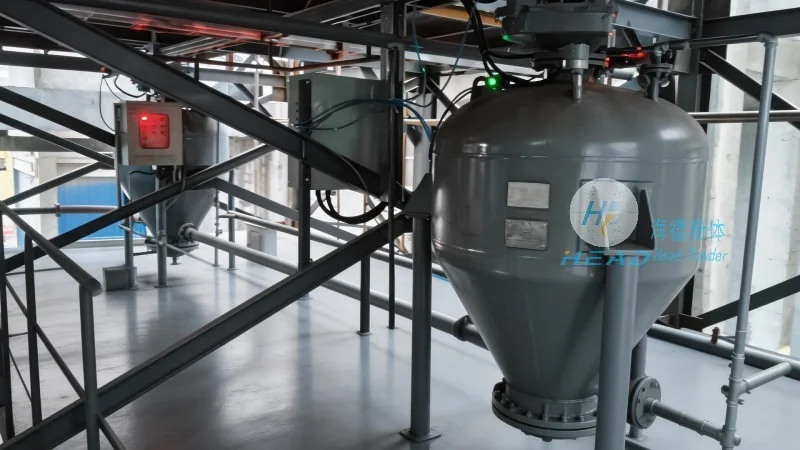
Advantages and Practical Applications
Concrete powder pneumatic conveying machines offer significant advantages over traditional transport methods like belt conveyors or bucket elevators. These include lower energy consumption due to air-based transport, reduced material degradation from minimal mechanical stress, and the ability to handle fine or cohesive powders without clogging. The systems are widely used in construction for transporting cement, fly ash, and other dry powders to concrete mixing plants, batching stations, or storage silos. They are also suitable for industrial applications requiring precise control over material flow, such as in precast concrete component production or specialty powder handling for construction materials.
Maintenance and Safety Guidelines
To ensure reliable and long-term operation, regular maintenance is crucial for concrete powder pneumatic conveying machines. This includes inspecting the blower/compressor for wear, checking the pipeline for leaks or blockages, and cleaning the hopper and receiver to prevent material buildup. The system should be equipped with safety features like pressure relief valves and dust collection systems to protect operators. Proper training of personnel on operation and maintenance is essential to prevent accidents and maintain optimal performance. By adhering to these guidelines, users can maximize equipment lifespan and ensure consistent, safe operation.