

Operation Process and Working Principle of Dust-Free Closed Material Pneumatic Conveying System
HeadPowder, a leading manufacturer based in Shandong, China, specializes in the design, production, and installation of advanced dust-free closed material pneumatic conveying systems. These systems are engineered to efficiently transport bulk materials in a sealed environment, ensuring minimal dust exposure and maintaining product purity throughout the process. The following content provides a detailed overview of the operation process and working principle of such systems, highlighting the key components and the systematic approach to material handling.
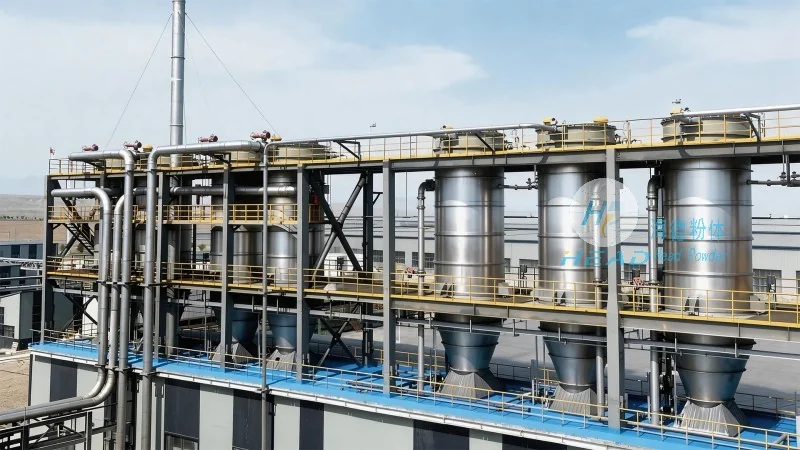
Overview of the Dust-Free Closed Material Pneumatic Conveying System
The dust-free closed material pneumatic conveying system is a sophisticated piece of industrial equipment designed to transport dry bulk materials from one location to another without exposing the material to the external environment. This system is particularly valuable in industries where product contamination, dust emissions, or material degradation must be strictly controlled, such as pharmaceuticals, food processing, and chemical manufacturing. By maintaining a sealed system, these conveyors ensure that the material remains clean and free from external contaminants, while also protecting the surrounding environment from dust and particulate matter.
Key Components of the System
The operation of a dust-free closed material pneumatic conveying system relies on several critical components that work in concert to achieve efficient material transport. These components include the material feed hopper, the air supply system (typically a blower or compressor), the conveying line (usually made of stainless steel or other corrosion-resistant materials), the control valves, and the receiving hopper or silo. Each component plays a vital role in the overall functionality of the system, and their proper integration is essential for optimal performance.
The Operation Process: Step-by-Step
The operation of the dust-free closed material pneumatic conveying system follows a systematic sequence of steps to ensure smooth and continuous material transport. The process begins with the material being fed into the feed hopper from the source location, such as a storage silo or a production line. The feed hopper is equipped with a gate valve or a rotary valve that controls the flow rate of the material into the system. As the material enters the hopper, it is drawn into the conveying line by the air flow generated by the blower or compressor.
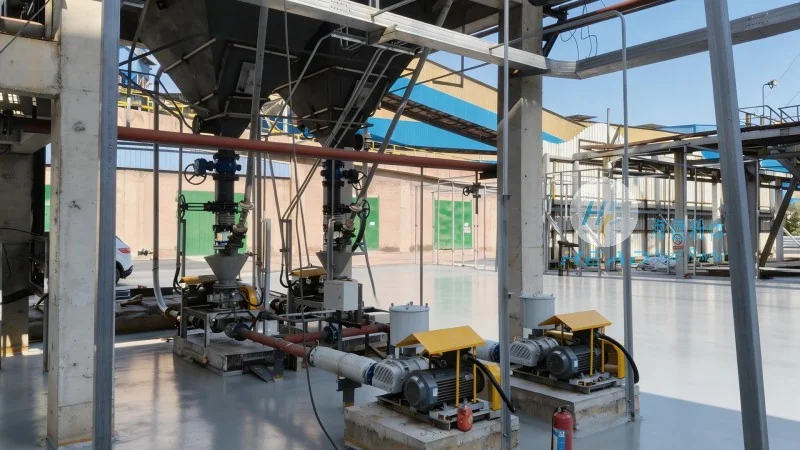
Once the material is in the conveying line, it is carried along by the high-velocity air stream. The air flow is typically maintained at a pressure sufficient to overcome the resistance of the material particles and the friction within the system. The conveying line is designed with smooth, rounded bends and transitions to minimize pressure loss and prevent material blockages. At the receiving end, the material is deposited into the receiving hopper or silo, where it is collected for further processing or storage.
The Working Principle: How It Functions
The working principle of the dust-free closed material pneumatic conveying system is based on the fundamental concept of pneumatic transport, where air is used as the medium to move solid particles. The system operates by creating a pressure differential between the feed and receiving ends of the conveying line. The blower or compressor supplies a constant flow of air, which is introduced into the conveying line at the feed end. This air flow generates a negative pressure (suction) at the receiving end, creating a pressure gradient that pulls the material particles along with the air stream.
In a closed system, the air and material are contained within the conveying line, preventing any dust or particles from escaping into the environment. The system is equipped with filtration and cleaning mechanisms to maintain air quality and prevent clogging. The air is typically filtered through a high-efficiency particulate air (HEPA) filter or a similar system to ensure that any particles that may have escaped are captured before being released back into the system or to the atmosphere.
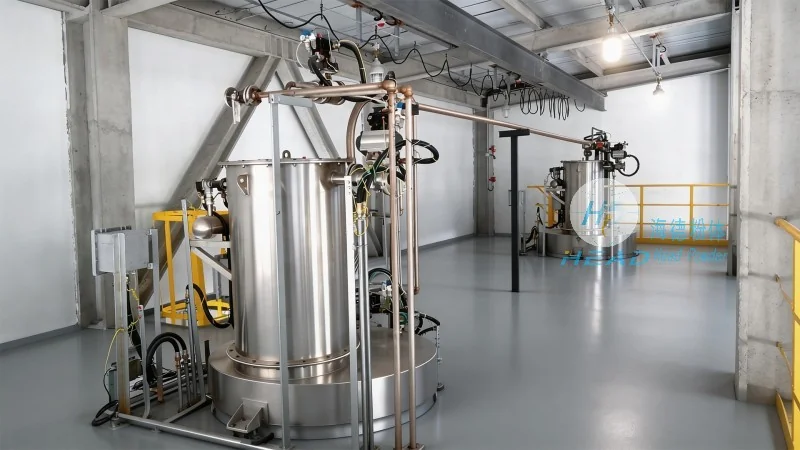
Advantages of the Dust-Free Closed Material Pneumatic Conveying System
Implementing a dust-free closed material pneumatic conveying system offers numerous advantages over traditional open or pneumatic conveying methods. These advantages include enhanced product purity, reduced environmental impact due to minimal dust emissions, improved safety for operators by eliminating direct contact with the material, and increased efficiency in material handling. The sealed system also helps to maintain the integrity of the material, preventing moisture absorption or contamination that could affect its quality or performance.
Application Examples
The dust-free closed material pneumatic conveying system is widely used in various industries where bulk material handling is required. In the pharmaceutical industry, for example, these systems are used to transport active pharmaceutical ingredients (APIs) and other sensitive materials, ensuring that they remain free from contamination and maintain their potency. In the food processing industry, the system is employed to handle dry ingredients such as flour, sugar, and spices, maintaining the product's quality and preventing cross-contamination. Similarly, in the chemical manufacturing sector, the system is used to transport powders and granules, protecting both the material and the environment from dust and hazardous substances.
Conclusion
HeadPowder's dust-free closed material pneumatic conveying systems represent a cutting-edge solution for efficient and safe bulk material handling. By understanding the operation process and working principle of these systems, users can appreciate the advanced engineering and design that go into each component. The system's ability to maintain a sealed environment, control dust emissions, and ensure product purity makes it an essential asset for industries where quality and safety are paramount. With its headquarters in Shandong, China, HeadPowder continues to innovate and provide reliable solutions for material handling challenges across various sectors.