

Operation Process and Working Principle of Fully Automatic Bulk Material Pneumatic Conveying System
Shandong HeadPowder Engineering Co., Ltd. specializes in the design, manufacturing, and installation of advanced pneumatic conveying systems for bulk material handling. The fully automatic bulk material pneumatic conveying system is a sophisticated solution that integrates precision control, efficient material transport, and reliable operation to meet the demands of modern industrial applications. This system is engineered to handle various types of dry powders and granular materials with high accuracy and minimal human intervention.
Core Components and System Architecture
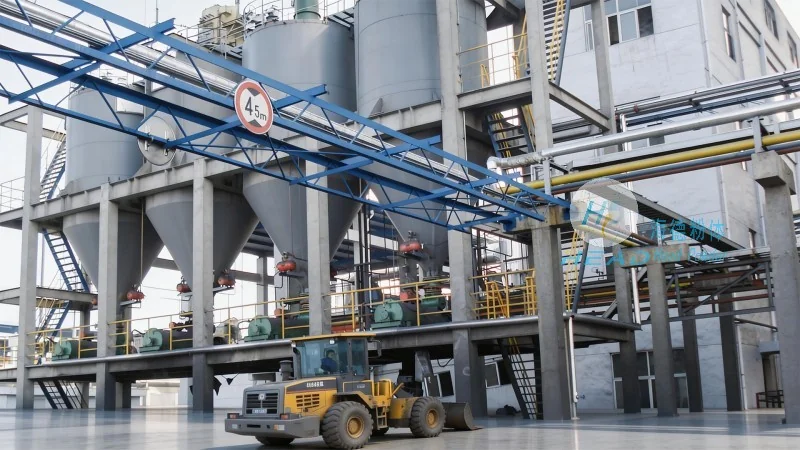
The fully automatic bulk material pneumatic conveying system consists of several key components that work in harmony to ensure seamless material transport. These components include a hopper for material storage, a feeder to control the flow rate, a conveying line (typically made of stainless steel or other corrosion-resistant materials), a dust collector to capture airborne particles, and a control panel for automated operation. The system is designed to maintain consistent pressure and flow rates, which are critical for preventing material degradation and ensuring uniform delivery to the target destination.
Operation Process: Step-by-Step Execution
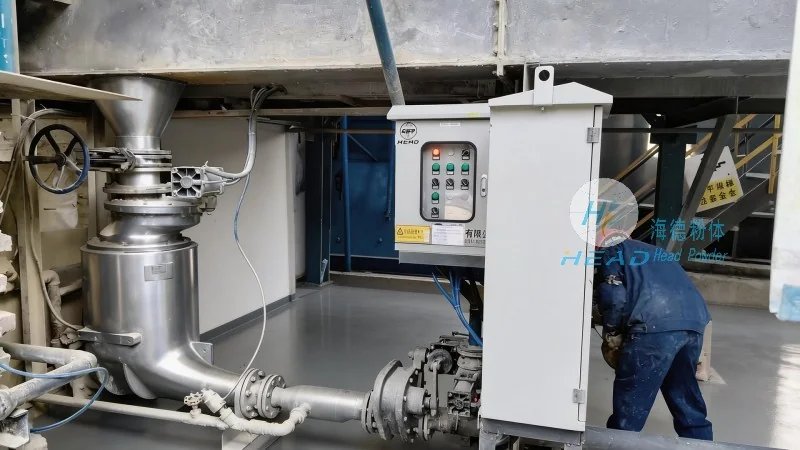
The operation of the fully automatic bulk material pneumatic conveying system follows a systematic process that ensures efficiency and reliability. Initially, the material is loaded into the hopper from a storage silo or bulk container. The feeder then regulates the material flow into the conveying line, maintaining a steady rate as per the set parameters. Compressed air or other conveying media is introduced at the inlet of the conveying line, creating a pressure differential that propels the material through the system. The material travels through the pipeline, passing through any necessary valves, bends, or filters, and is eventually discharged into the receiving vessel or processing unit. The control panel continuously monitors key parameters such as pressure, flow rate, and temperature, adjusting the system in real-time to maintain optimal performance. This automated process eliminates the need for manual intervention, reducing labor costs and minimizing the risk of human error.
Working Principle: How the System Transmits Materials
The working principle of the fully automatic bulk material pneumatic conveying system is based on the principles of fluid dynamics and air pressure. The system utilizes a positive pressure or negative pressure (or a combination of both) to move materials through the conveying line. In positive pressure systems, compressed air is forced into the conveying line, creating a high-pressure environment that pushes the material forward. In negative pressure systems, a vacuum is created at the discharge end, pulling the material through the line. The system's design ensures that the material is suspended in the air stream, allowing it to travel efficiently without significant friction or degradation. The use of appropriate conveying media (such as air, nitrogen, or other gases) and the selection of suitable pipeline diameters and lengths are crucial factors that determine the system's efficiency and capacity. The control system integrates sensors and actuators to regulate the flow of material and air, ensuring that the system operates within safe and optimal parameters.
Advantages and Applications
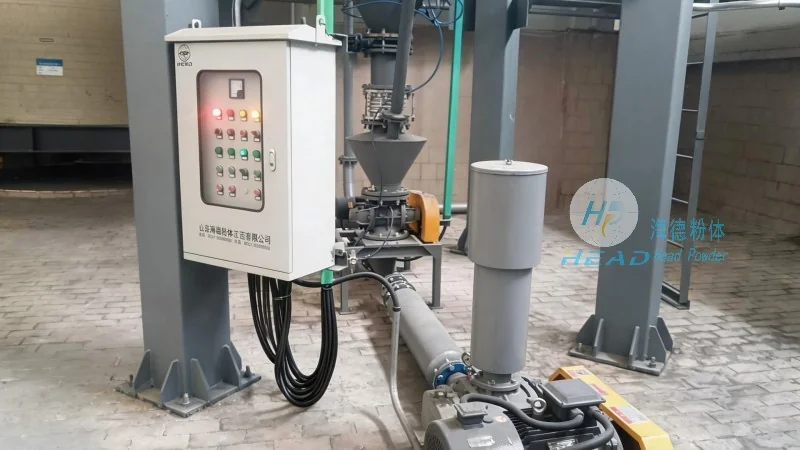
The fully automatic bulk material pneumatic conveying system offers numerous advantages over traditional mechanical conveying methods. These include reduced labor costs, improved material handling efficiency, enhanced safety by minimizing human exposure to dust and hazardous materials, and the ability to handle a wide range of materials with varying properties. The system is particularly suitable for industries such as pharmaceuticals, food processing, chemical manufacturing, and mining, where the transport of powders and granules requires high precision and hygiene. Shandong HeadPowder Engineering Co., Ltd. has successfully implemented these systems in various industrial settings, demonstrating their reliability and effectiveness in improving production throughput and product quality.