

Operation Process and Working Principle of Centralized Material Feeding Pneumatic Conveying System
HeadPowder, a leading engineering firm based in Shandong, China, specializes in the design, manufacturing, and installation of advanced material handling solutions. Among their core offerings is the centralized material feeding pneumatic conveying system, a sophisticated technology that efficiently transports bulk materials over long distances with minimal maintenance and operational costs. This article delves into the operational process and underlying principles of such systems, highlighting their benefits and practical applications in various industrial settings.
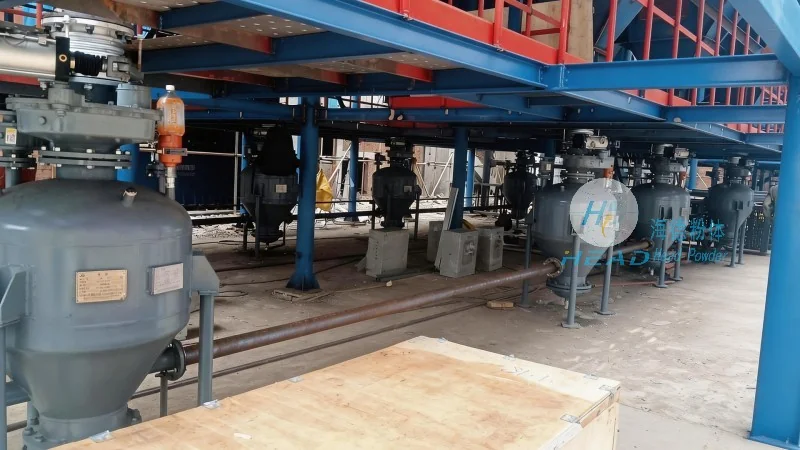
Understanding the Core Components and Functionality
The centralized material feeding pneumatic conveying system integrates several key components that work in harmony to achieve efficient material transport. At its heart is a high-efficiency blower or fan that generates the necessary air pressure to move materials through a network of pipes. The system typically includes a hopper or silo for material storage, a feeder mechanism to control the flow of material into the conveying line, and a series of pipes that form the transport path. Additionally, the system may incorporate filters, cyclones, or other separation equipment to clean the air and recover fine particles, ensuring compliance with environmental regulations and maintaining material purity.
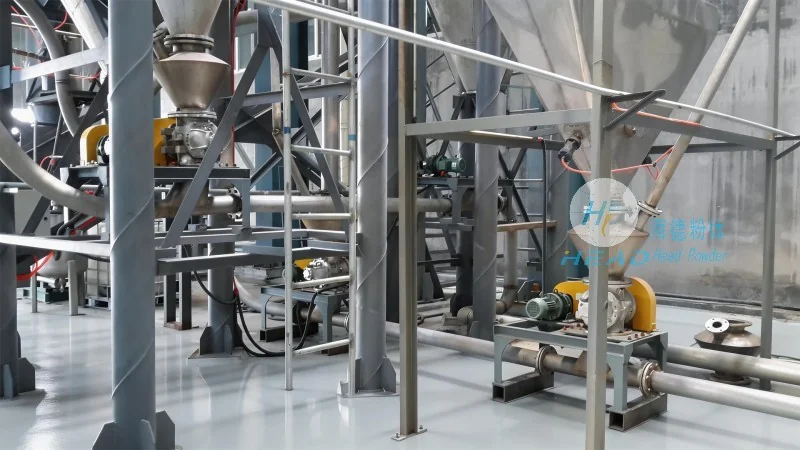
Step-by-Step Operation Process of the System
The operation of a centralized material feeding pneumatic conveying system follows a systematic sequence that ensures smooth and continuous material transfer. Initially, bulk materials are stored in the hopper or silo, where they are held until needed. The feeder mechanism then regulates the flow of material, releasing it into the conveying line at a controlled rate. As the material enters the pipe, the high-pressure air from the blower propels it forward, creating a dense phase or dilute phase flow depending on the system design. The air and material mixture travels through the pipe network, which may include bends, elbows, or vertical sections, all designed to maintain the flow without causing blockages or excessive pressure drops. At the destination point, the material is separated from the air using a cyclone or filter, and the material is discharged into a receiving hopper or storage bin. The air, now filtered of particles, is either recirculated back to the blower or vented to the atmosphere, completing the cycle.
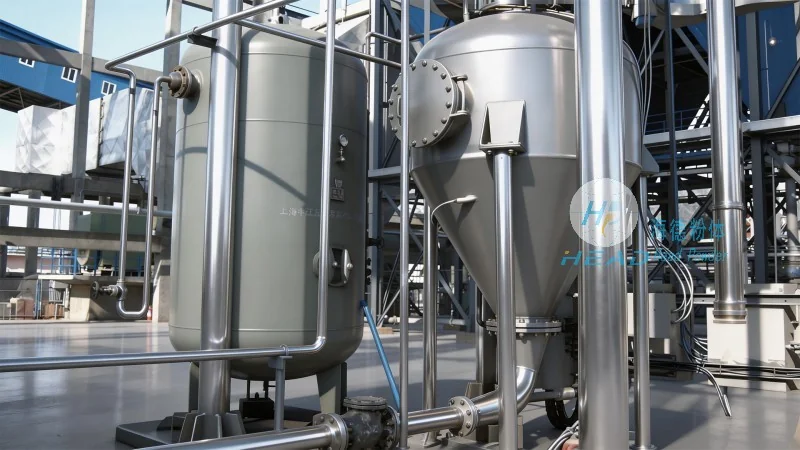
Working Principle: How Pneumatic Conveying Transforms Material Handling
The fundamental working principle of pneumatic conveying relies on the use of compressed air to transport solid materials. In a dense phase system, the material is carried in a compacted form, resulting in lower air velocity and reduced wear on the system components. This method is ideal for transporting abrasive or fragile materials, as it minimizes particle breakage and maintains product integrity. Conversely, dilute phase systems use higher air velocities to transport materials in a more dispersed state, which is suitable for lighter or less abrasive materials and allows for longer transport distances. The choice between dense phase and dilute phase depends on the material characteristics, required transport distance, and system efficiency goals. The system's efficiency is further enhanced by the centralized feeding design, which consolidates material sources and allows for automated control of material flow, reducing labor costs and improving operational consistency.
Benefits and Applications of Centralized Material Feeding Systems
Centralized material feeding pneumatic conveying systems offer numerous advantages over traditional material handling methods. These include reduced labor requirements due to automated feeding and control, lower energy consumption compared to mechanical conveyors, and the ability to transport materials over long distances without the need for multiple transfer points. The systems are particularly well-suited for industries such as pharmaceuticals, food processing, chemicals, and mining, where material purity, hygiene, and safety are critical. For example, in pharmaceutical manufacturing, the system can be designed to meet stringent cleanroom standards, ensuring that materials are handled without contamination. In food processing, the system can be equipped with sanitary components to maintain product quality and compliance with food safety regulations. The centralized design also allows for easy integration with other production processes, enabling seamless material flow from storage to processing or packaging.
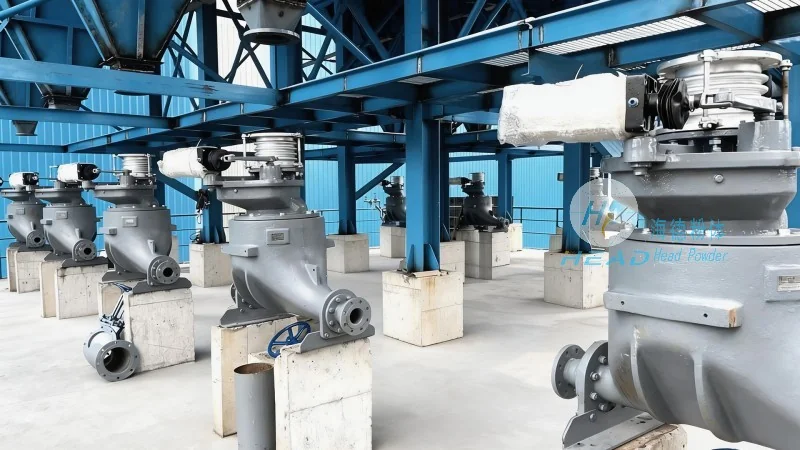
Conclusion: The Role of HeadPowder in Advancing Material Handling Technology
HeadPowder Engineering Co., Ltd., with its headquarters in Shandong, China, plays a pivotal role in advancing the technology of centralized material feeding pneumatic conveying systems. By combining innovative engineering solutions with rigorous quality control, the company delivers systems that meet the diverse needs of modern industries. The operational process and working principles discussed above highlight the efficiency and reliability of these systems, making them an essential component of contemporary material handling strategies. As industries continue to demand more efficient and sustainable solutions, the centralized material feeding pneumatic conveying system remains a key technology for optimizing material transport and improving overall operational performance.