

Operation Process and Working Principle of Aluminum Foil Material Pneumatic Conveying System
The aluminum foil material pneumatic conveying system is a critical piece of equipment in the processing and handling of aluminum foil. It efficiently transports aluminum foil from one location to another within industrial facilities, ensuring smooth operations and maintaining product integrity. This system is designed to handle the unique properties of aluminum foil, such as its thinness, light weight, and potential for static electricity, which can pose challenges in traditional material handling methods.
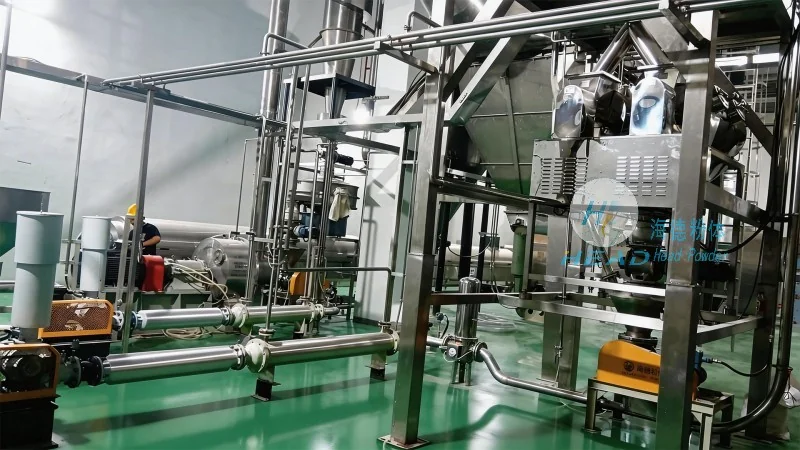
About Headpowder: A Leading Provider of Pneumatic Conveying Solutions
Headpowder, or Shandong HeadPowder Engineering Co., Ltd., is a professional manufacturer and supplier specializing in pneumatic conveying systems. With a base in Shandong, China, the company has established itself as a trusted partner in the industry, offering customized solutions tailored to the specific needs of clients. Headpowder's expertise lies in designing and manufacturing high-quality pneumatic conveying systems that meet the demands of various industrial applications, including those in the aluminum foil manufacturing sector.
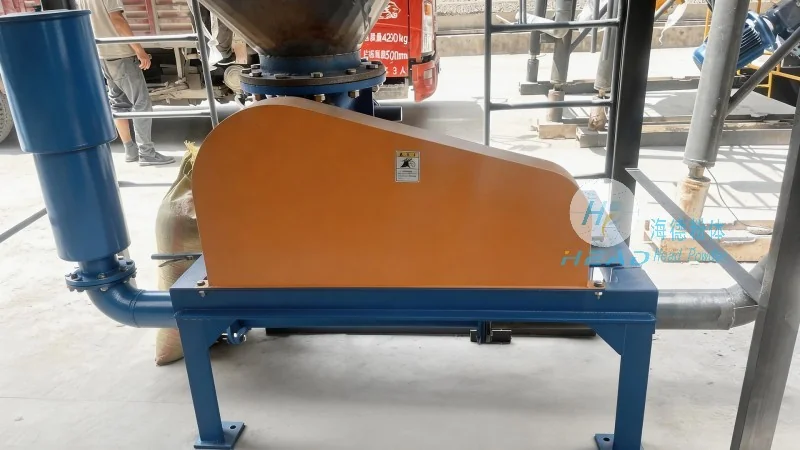
Step-by-Step Operation Process of the Aluminum Foil Pneumatic Conveying System
The operation of the aluminum foil material pneumatic conveying system involves several key steps, each designed to ensure efficient and reliable material transport. The process typically begins with the feeding of aluminum foil into the system. This is usually done through a hopper or a feeding device that controls the flow rate of the material into the conveying line. The aluminum foil is then introduced into the pneumatic conveying line, where it is carried by a stream of air under pressure or suction. The system uses a combination of positive and negative pressure zones to move the material through the pipeline network. As the aluminum foil travels through the system, it may encounter various components, such as bends, filters, and separation units, which help maintain the material's quality and prevent blockages. The conveying process concludes when the aluminum foil is deposited at the destination point, such as a storage silo or a processing machine. Throughout the operation, the system monitors air pressure, flow rate, and other parameters to ensure optimal performance and prevent any issues that could affect the conveying efficiency.
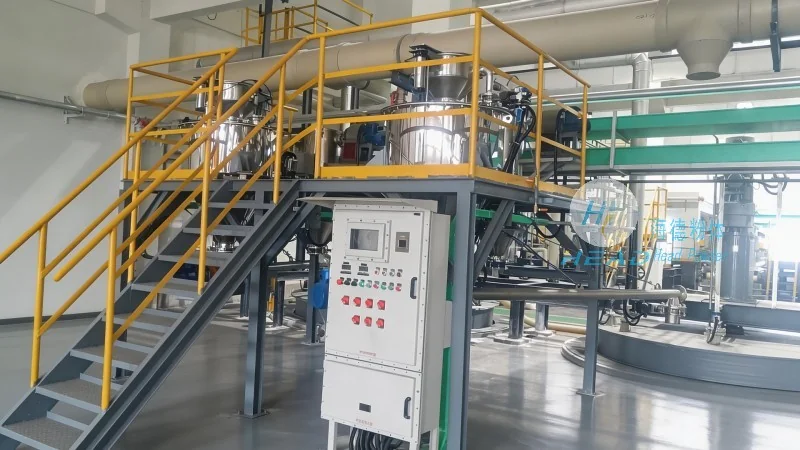
Working Principle of the Pneumatic Conveying System for Aluminum Foil
The working principle of the aluminum foil material pneumatic conveying system is based on the fundamental concept of transporting materials using air as the conveying medium. The system operates by creating a pressure differential between the inlet and outlet of the conveying line. In a positive pressure system, air is forced into the line at a high pressure, carrying the aluminum foil particles along with it. The air then exits the system at the destination point, and the aluminum foil is separated from the air stream through a cyclone or other separation device. In a negative pressure system, air is drawn out of the line, creating a vacuum that pulls the aluminum foil into the conveying line. The separation of aluminum foil from the air stream is achieved through the use of filters and cyclones, which allow the air to pass through while trapping the aluminum foil particles. The system's design, including the size and shape of the conveying line, the type of air flow, and the placement of separation components, is crucial in determining the efficiency and effectiveness of the conveying process. By carefully controlling these factors, the system can achieve high conveying rates while maintaining the integrity of the aluminum foil material.
Key Components and Their Functions in the Aluminum Foil Pneumatic Conveying System
The aluminum foil material pneumatic conveying system consists of several key components, each playing a vital role in the overall operation. The primary components include the feeding device, the conveying line, the air supply system, the separation unit, and the control system. The feeding device is responsible for introducing the aluminum foil into the system at a controlled rate, preventing overloading or underloading of the conveying line. The conveying line is typically made of materials such as stainless steel or plastic, which are resistant to corrosion and can handle the thinness of aluminum foil. The air supply system provides the necessary air pressure or suction to move the material through the line. This system includes a blower or a vacuum pump, along with air filters and regulators to ensure clean and consistent air flow. The separation unit is a critical component that separates the aluminum foil from the air stream, allowing the air to be recirculated or vented while the aluminum foil is collected in a container or storage silo. The control system monitors and regulates the operation of the entire system, adjusting parameters such as air pressure, flow rate, and feeding rate to maintain optimal performance. Each component is carefully designed and integrated to work together seamlessly, ensuring the efficient and reliable transport of aluminum foil material.
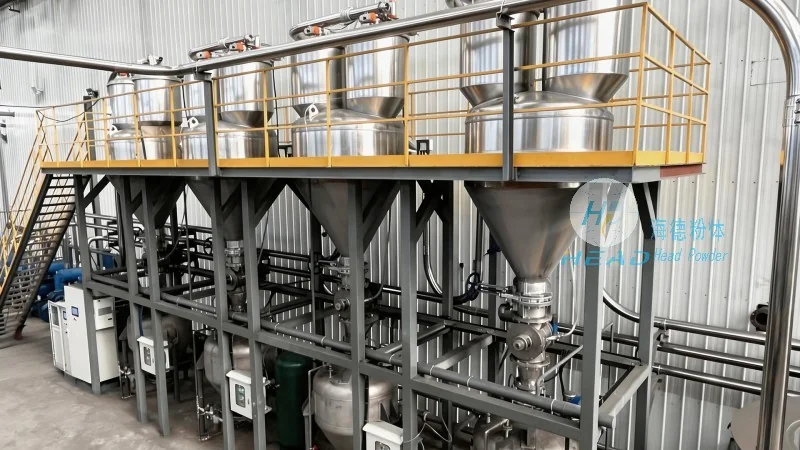
Advantages of Using a Pneumatic Conveying System for Aluminum Foil Handling
Implementing a pneumatic conveying system for aluminum foil handling offers several advantages over traditional methods. One of the primary benefits is the ability to handle the thin and lightweight nature of aluminum foil without causing damage or deformation. The system's design allows for gentle handling, minimizing the risk of scratches or tears to the foil. Additionally, pneumatic conveying systems can transport aluminum foil over long distances and through complex layouts, which would be difficult or impossible to achieve with traditional conveyor belts or mechanical systems. The system also provides a high degree of flexibility, as it can be easily adjusted to accommodate changes in production volume or material characteristics. Another advantage is the reduced risk of contamination, as the system is enclosed and can be designed to meet specific cleanliness requirements. Furthermore, the system's automation capabilities allow for precise control and monitoring, reducing the need for manual intervention and improving overall operational efficiency. These advantages make the pneumatic conveying system an ideal solution for aluminum foil manufacturers looking to enhance their material handling processes.