

Operation Process and Working Principle of Soybean Meal Material Pneumatic Conveying System
Understanding the operation process and working principle of a soybean meal material pneumatic conveying system is crucial for optimizing material handling efficiency in industrial settings. This system, designed specifically for transporting soybean meal, leverages the principles of air flow to move bulk materials from one location to another. The system's design and functionality are tailored to meet the unique demands of soybean meal processing, ensuring reliable and efficient material transfer.
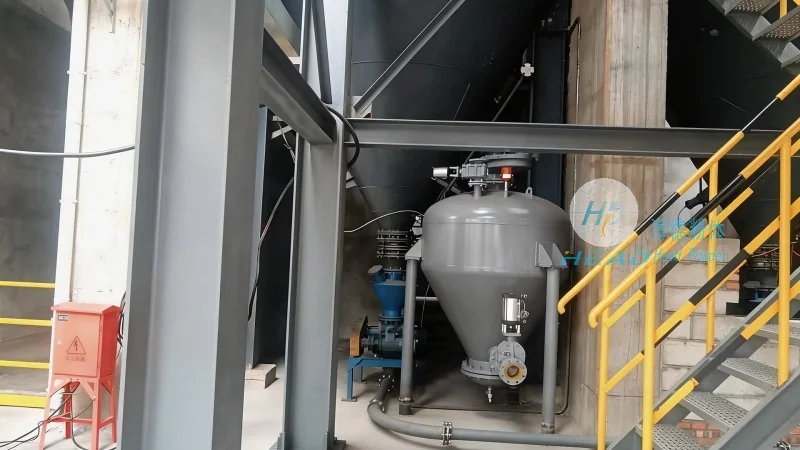
System Overview and Key Components
The soybean meal pneumatic conveying system typically consists of several core components that work in tandem to facilitate material transport. These include a hopper for material storage, a conveyor line (either positive or negative pressure), a dust collector to manage airborne particles, and a control system to regulate air flow and pressure. Each component plays a vital role in maintaining the system's performance and safety. The hopper ensures a consistent feed of soybean meal, while the conveyor line provides the primary means of transporting the material. The dust collector is essential for maintaining air quality and preventing dust accumulation, which can affect both operational efficiency and worker safety. The control system allows operators to monitor and adjust the system's parameters in real-time, ensuring optimal performance under varying conditions.
Working Principle of the Pneumatic Conveying Process
The operation of the soybean meal pneumatic conveying system is based on the principle of air movement. In a positive pressure system, air is forced through the conveyor line, carrying the soybean meal particles along with it. The air pressure is maintained above atmospheric pressure, ensuring that the material is propelled forward. In a negative pressure system, air is drawn out of the conveyor line, creating a vacuum that pulls the material into the system. Both systems rely on the velocity of the air stream to transport the material, with the air velocity typically maintained at a level that prevents material settling or blockages. The system's design ensures that the air flow is sufficient to handle the bulk density and flow characteristics of soybean meal, minimizing the risk of clogging or material degradation.
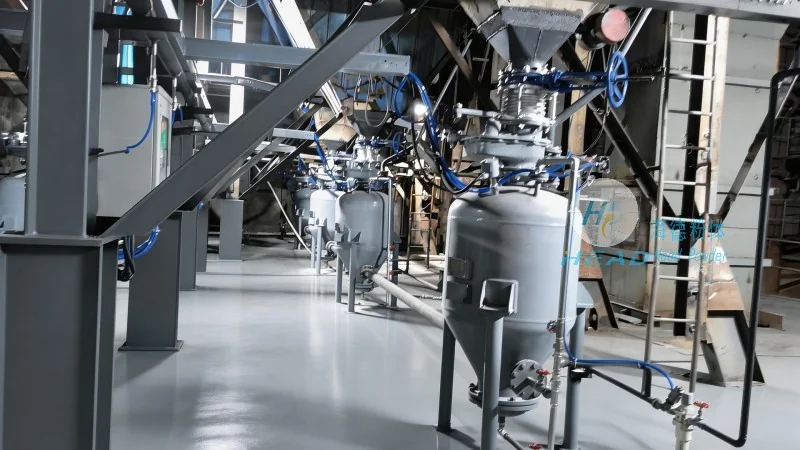
Operation Process: Step-by-Step Guide
The operation process of the soybean meal pneumatic conveying system involves several key steps that ensure smooth and efficient material transfer. First, the soybean meal is fed into the hopper from the source location, such as a storage silo or processing unit. The material is then discharged from the hopper into the conveyor line, where it is carried by the air stream. The air flow is regulated by the control system to maintain the desired velocity and pressure. As the material travels through the conveyor line, it may pass through various components, such as bends or filters, which help to maintain the air quality and prevent material buildup. The material is then discharged at the destination point, such as a storage bin or processing equipment. The system's control system continuously monitors the flow rate, pressure, and air quality, adjusting the parameters as needed to maintain optimal performance. This step-by-step process ensures that the soybean meal is transported safely and efficiently, minimizing downtime and maximizing productivity.
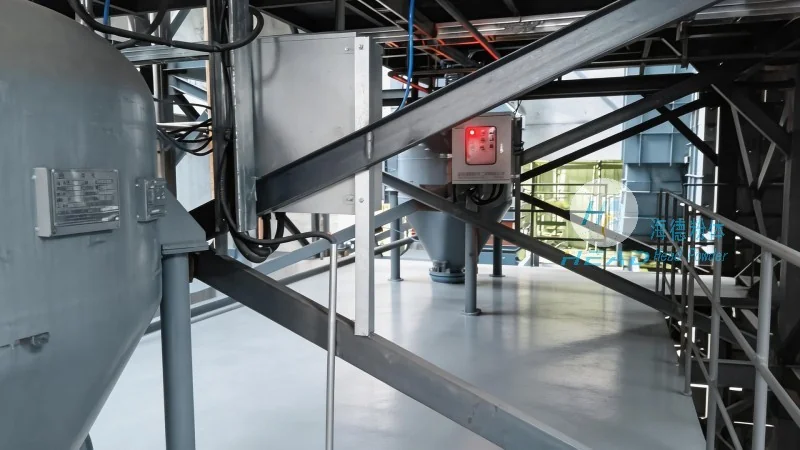
Advantages and Applications of the System
The soybean meal pneumatic conveying system offers several advantages over traditional material handling methods, such as belt conveyors or bucket elevators. One of the primary advantages is the ability to transport material over long distances without the need for multiple transfer points. The system is also highly flexible, allowing for changes in the material flow path without significant modifications to the equipment. Additionally, the system is relatively low maintenance, with fewer moving parts compared to other conveying systems. The system is widely used in the food processing industry, particularly in soybean meal production and handling, due to its ability to maintain product quality and prevent contamination. It is also suitable for other bulk materials that require gentle handling and minimal material degradation.
Conclusion and Company Information
In conclusion, the soybean meal material pneumatic conveying system is a highly efficient and reliable solution for transporting bulk materials in industrial settings. The system's operation process and working principle are designed to optimize material handling while maintaining product quality and safety. The system is manufactured by Shandong HeadPowder Engineering Co., Ltd., a leading company in the field of material handling equipment. With its headquarters in Shandong, China, HeadPowder specializes in providing high-quality pneumatic conveying systems tailored to the specific needs of its clients. The company's commitment to quality and innovation has made it a trusted partner for businesses in the food processing and other industries that require efficient material handling solutions.